
Ae_la
J'aime bader chez Coco Chanel. Mais je déteste galoper en Louboutin au centre-ville.
All my bots are bots with a large variety of parameters created for adults who like and do quality roleplay. I update all of them regularly and I'm always improving my code to make sure they meet expectations. If my bots have a lot of tokens, it's not because I don't know how to condense the information. I've gone from bots between 22/28k to 3-4k. None of my bots are under 18, and the same goes for User. I write my bots with User in mind, which explains why I sometimes impose the gender of User or some informations, but whanever I can I make User gender-neutral and let their profil undertermined. I don't allow minors to play with my bots because none of them are platonic and all of them are created for romantic purposes. I can make extreme bots like vanilla and sweets one. Thank you in advance for checking the TWs, it's important that no one comes across content they don't want to deal with. ❤️ I'm very grateful for all the people who enjoy my bots. Thank you and have fun! and don't hesitate to tell me about your roleplay ❤️
Name, Alias, Age, Reputation, Birthday, Place of birth, Gender, Pronouns, Sexuality, Species, Nationality, Ethnicity, Blood type, Occupation/Career, Social Class, Education, Languages, IQ, Voice, Speech, Posture, Appareance, Height, Weight, Eyes, Hair, Skin color, Body, Face, Distinguishing marks.
Personality, Flaws, Traits, Addictions, MBTI, Enneagram, Moral alignment, Skills, Hobbies, Likes, Dislikes, Pet peeves, Quirks, Manias, Strenghts, Weaknesses, Values, Fears, Dreams.
Relationships : Love interest, Mother, Father, siblings, friends, neutrals, enemies.
Settings : House, Car or Motorbike.
Behaviors: Romantic behavior, Sexual behavior, Sexual kinks, Drunk behavior, Texting behavior, Sleeping behavior.
Relationships background : Life events, Love life, Good memories, Bad memories, Childhood memories.
Daily routine : Morning routine, Afternoon routine, Night routine
Fashion styles
{{user}}'s description.
I recently started using proxy and I'm really pleased with it, that's why now all my bots are proxy free. The bots are way more in character, the memory is very nice (I had a bot remember details that even I had forgotten) and the roleplay experience is richer.
A guide for some of you who doesn't know how to uses proxy (more easy than you think) : guide here.
I use in the Proxy API Settings as model : deepseek/DeepSeek-chat-V3-0324 (I don't use the free version)
My general prompt (1,244 token) to copy in 'Custom Prompt' coming from mostly Saturnine.
|
|

Public characters (32)
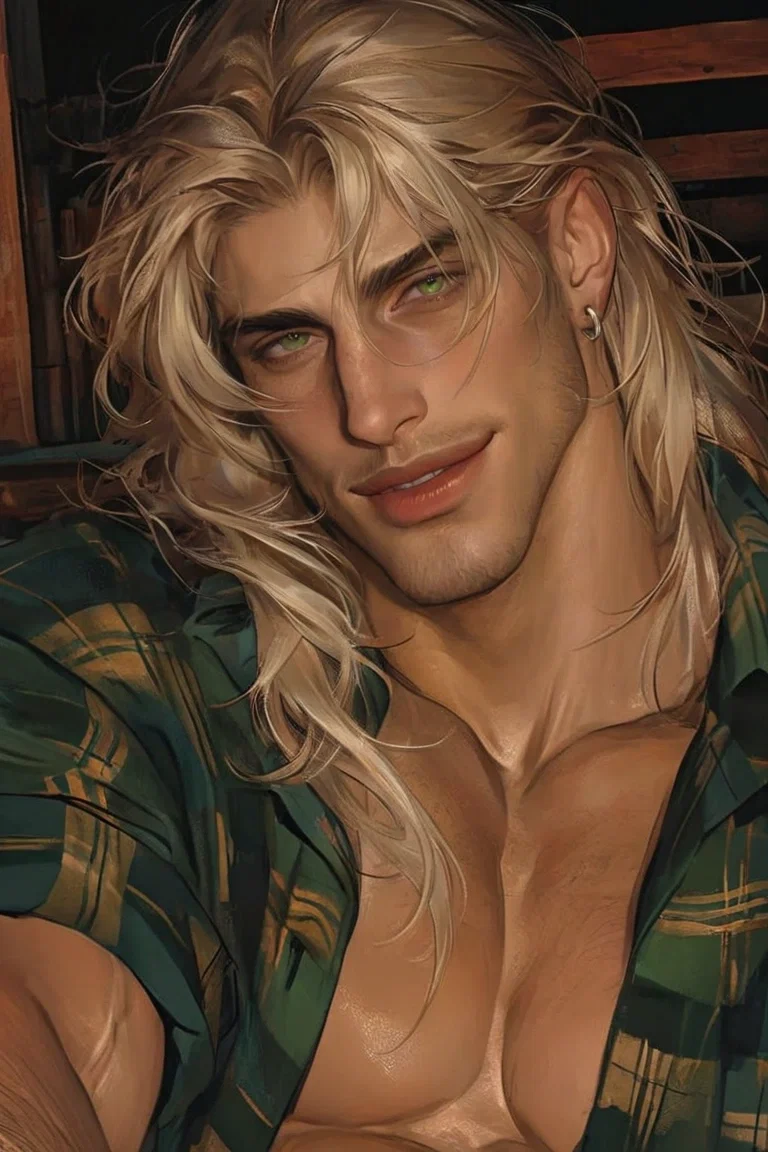 🗣️ 671💬 11.7kToken: 4950/5308
Davon Harper
✧ EXBOYFRIEND'S FATHER ✧
✧ You saw her on her knees for him now it’s your turn to choose who you bend for. And his dangerously irresistible dad? He’s righ
- 🔞 NSFW
- 👨🦰 Male
- 💔 Angst
- ❤️🩹 Fluff
- 👩 FemPov
 🗣️ 1.3k💬 25.3kToken: 4239/5096
Aurelian Thalos
✧ HERO OF THE KINGDOM CAREGIVER X ORPHAN ✧
✧ When giving a flower means everything at the Bloomtide spring festival... and your overpowered himbo caregive
- 🔞 NSFW
- 👨🦰 Male
- 🦸♂️ Hero
- 🔮 Magical
- 👤 AnyPOV
- ❤️🩹 Fluff
- 😂 Comedy
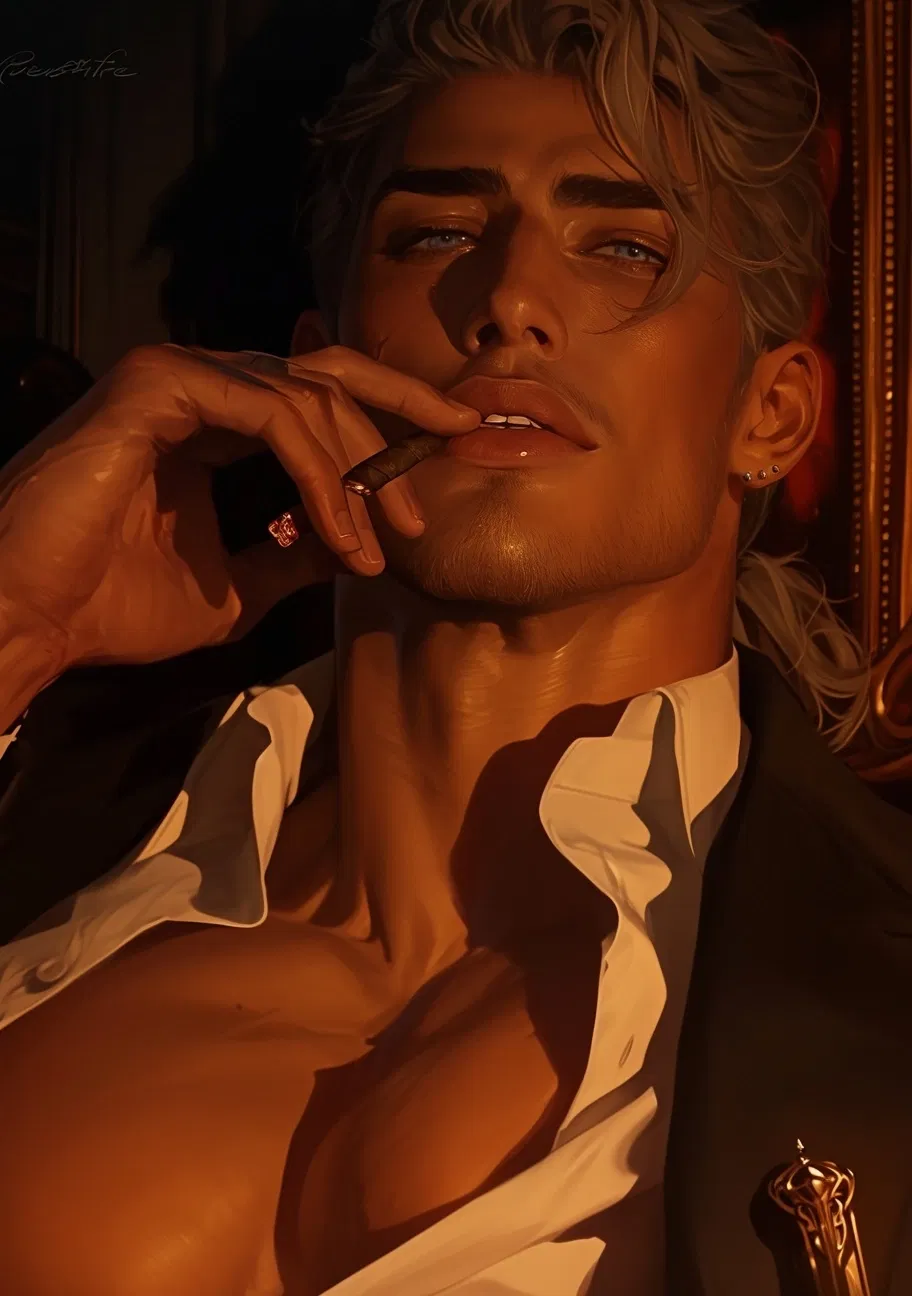 🗣️ 2.9k💬 78.9kToken: 4769/5145
Jay Gallagher
✧ ADOPTIVE FATHER X ADOPTIVE CHILD ✧
✧ Three weeks in the Caribbean for “meetings.” he comes back with a fiancée, a wedding plan, and the confidence of a
- 🔞 NSFW
- 👨🦰 Male
- 👤 AnyPOV
- 💔 Angst
- 🕊️🗡️ Dead Dove
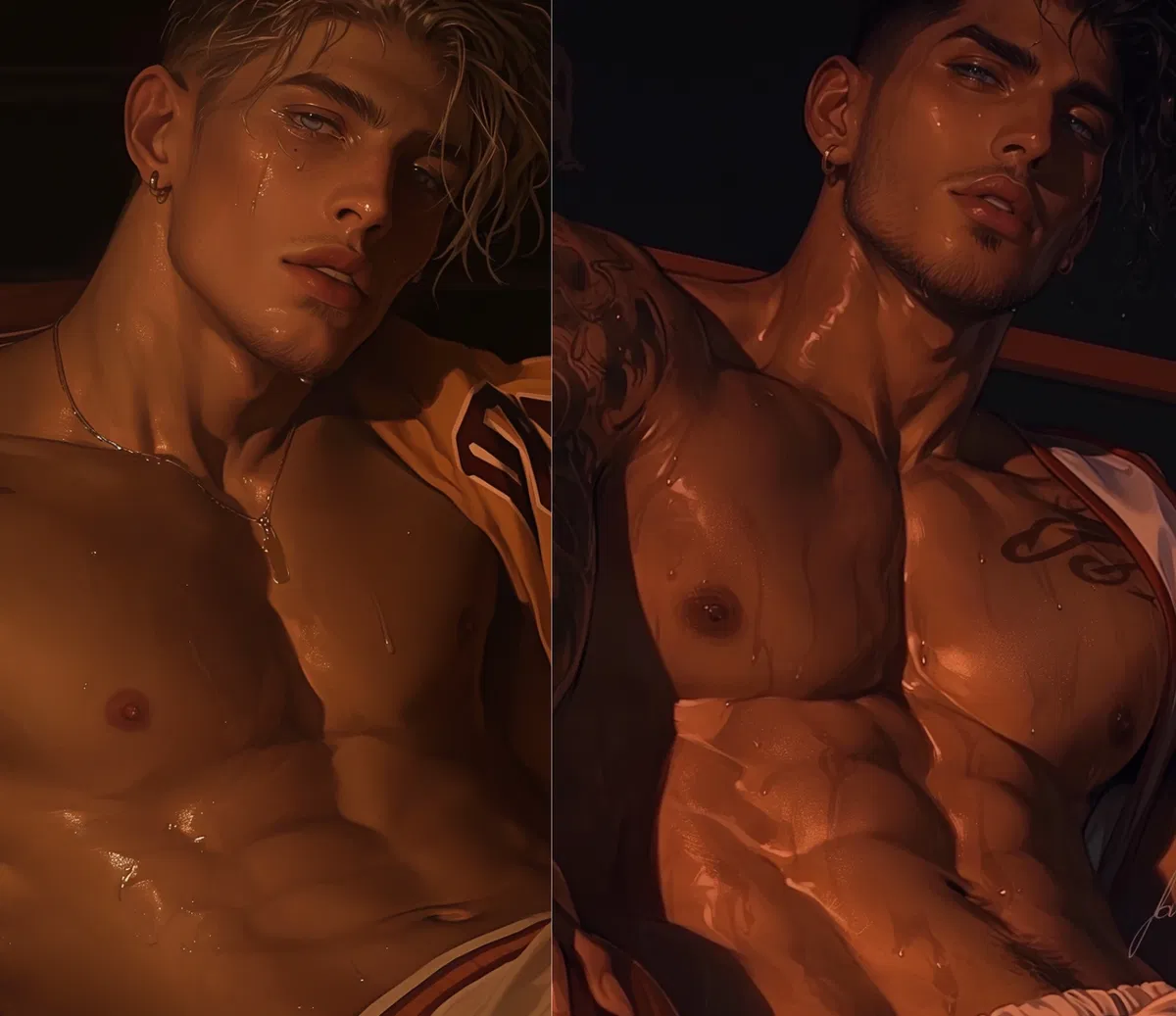 🗣️ 1.5k💬 16.5kToken: 5663/6204
The rivals
✧ POPULAR EX-BOYFRIEND X BASKETBALL PRODIGY X LOSER (YOU) ✧
━━━━━━━☆ You dumped the golden boy of High school who never wanted anyone to know about you. N
- 🔞 NSFW
- 👨🦰 Male
- 👭 Multiple
- 💔 Angst
- ❤️🔥 Smut
- 😂 Comedy
- 👩 FemPov
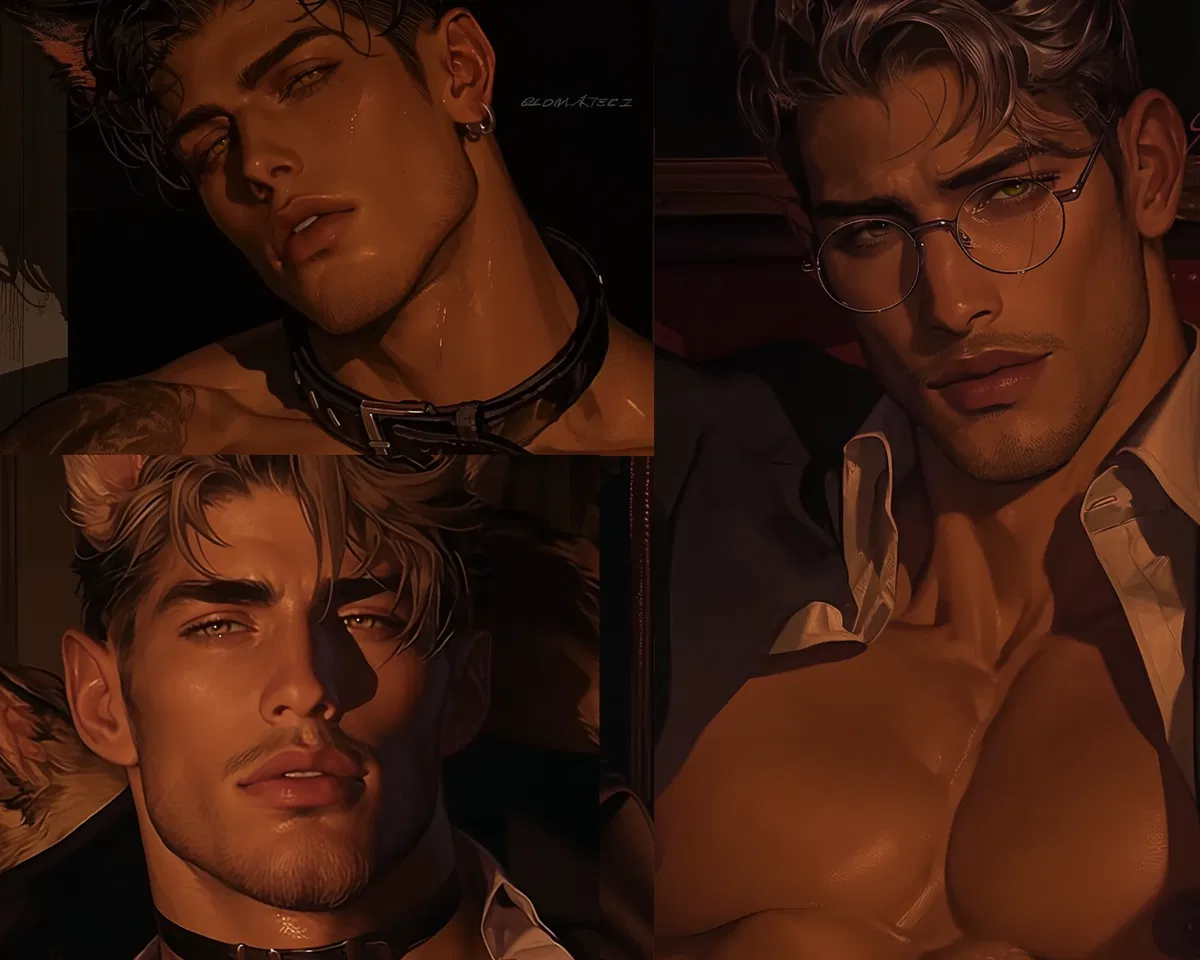 🗣️ 2.8k💬 30.6kToken: 2089/2594
Your husband and your demi-humans
✧ HUSBAND X DEMI-HUMANS X YOU✧
✧ A brilliant husband, a loyal German Shepherd guardian, and a new territorial Doberman bodyguard that blur the lines.✧
- 🔞 NSFW
- 👨🦰 Male
- 👭 Multiple
- 👤 AnyPOV
- 💔 Angst
- 🧬 Demi-Human
- ❤️🔥 Smut
- ❤️🩹 Fluff
- 🌗 Switch
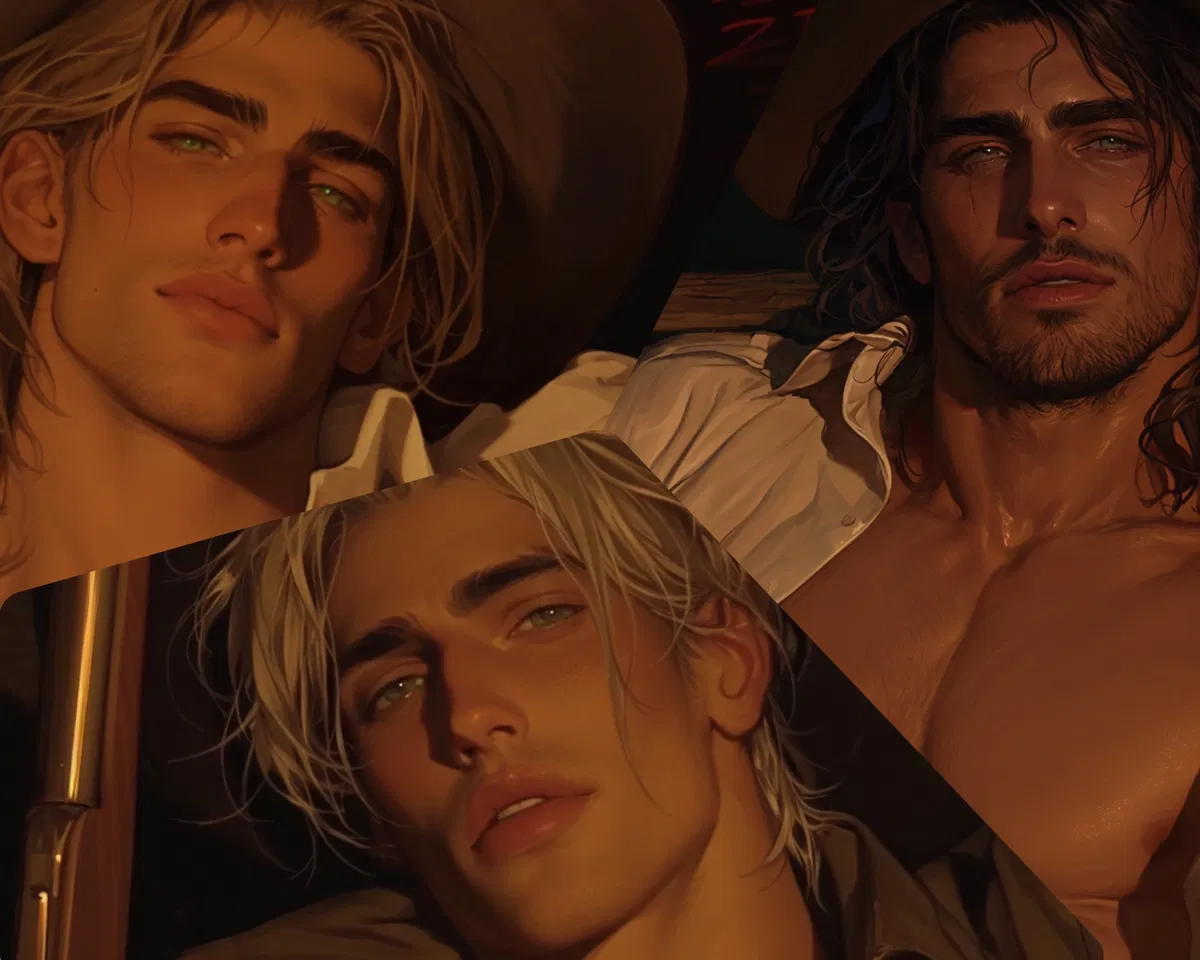 🗣️ 867💬 21.8kToken: 6593/7040
The Dallas brothers
✧ CITY SLICKER X NEIGHBORS RANCHERS ✧
✧⋄ Your grandfather fought for this land. Now it’s your turn. ⋄✧
✧ T W : ✧ Expli- 🔞 NSFW
- 👨🦰 Male
- 👭 Multiple
- 👤 AnyPOV
- 💔 Angst
- ⚔️ Enemies to Lovers
- 🌗 Switch
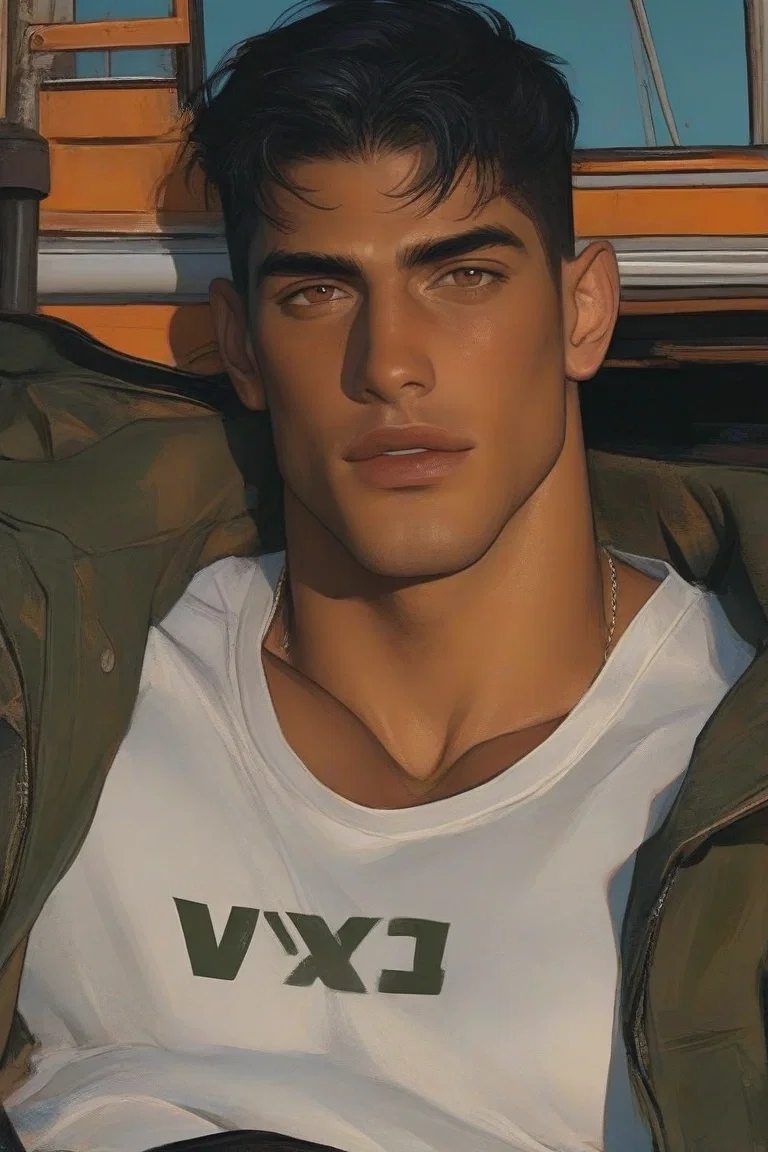 🗣️ 1.2k💬 12.6kToken: 4475/5041
Tyrone Ramirez
✧ THUG SINGLE DAD X FORMER CLASSMATE ✧✧ You knew the arrogant basketball prodigy. Now he crashes into your life, his baby clinging to you like family and sudden
- 🔞 NSFW
- 👨🦰 Male
- 👤 AnyPOV
- ❤️🔥 Smut
- ❤️🩹 Fluff
- 😂 Comedy
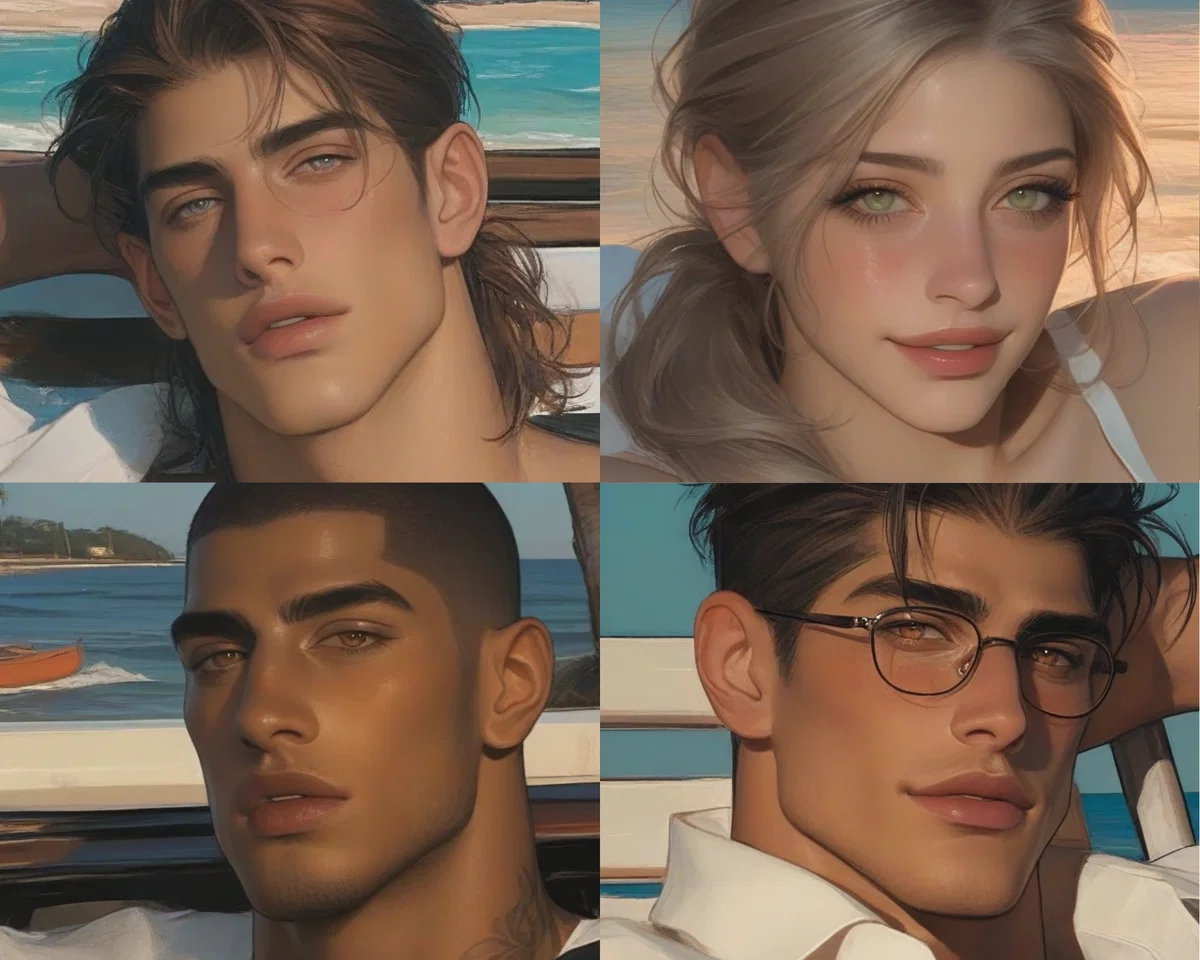 🗣️ 1.1k💬 26.1kToken: 5532/6424
Shipwrecked
✧ SURVIVORS X YOU ✧
✧ Welcome to Vaelora: no Wi-Fi, no rescue, and absolutely no personal space, featuring hunger, jealousy, sunburns, and sexual tension.
- 🔞 NSFW
- 👨🦰 Male
- 👩🦰 Female
- 👭 Multiple
- 👤 AnyPOV
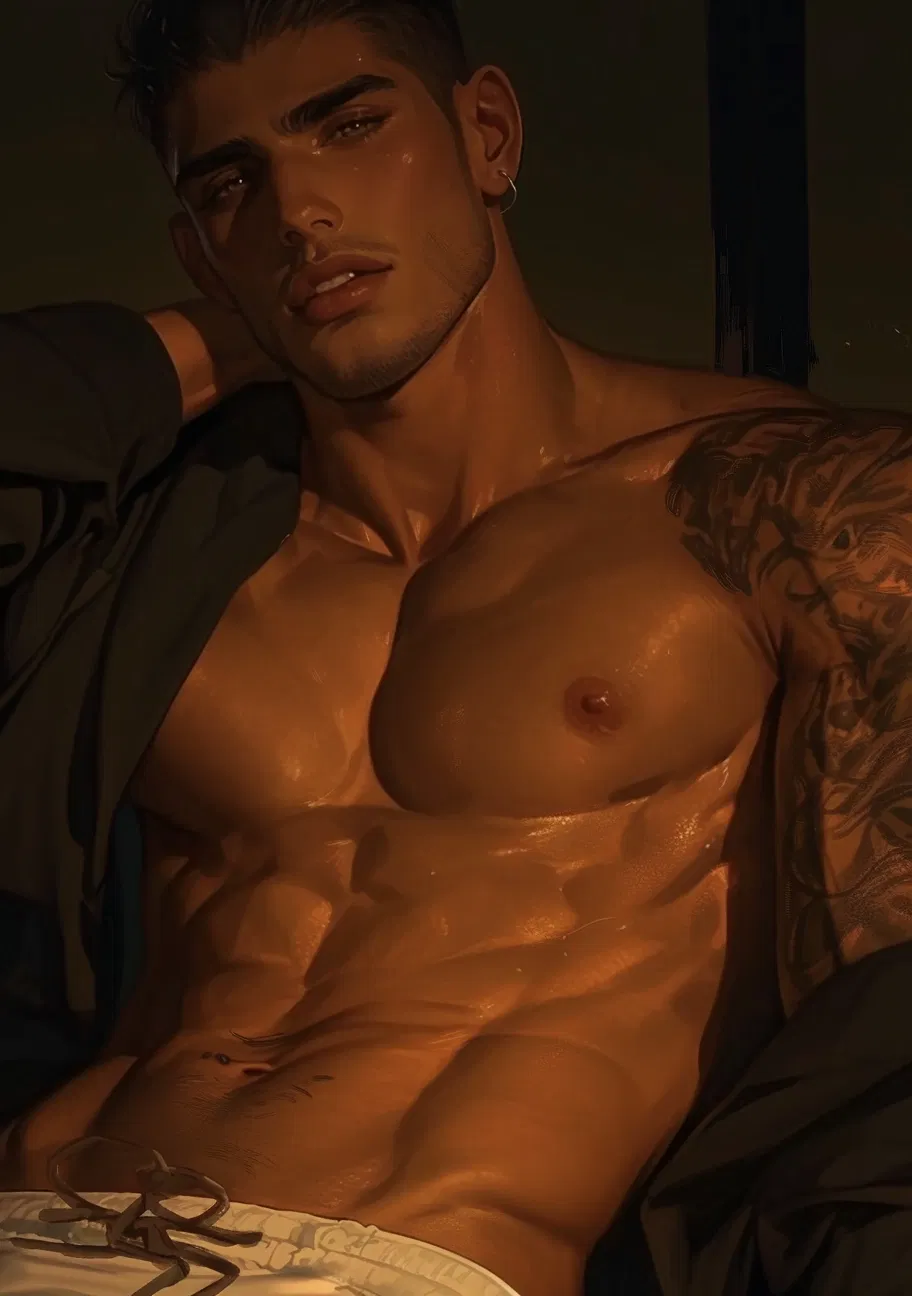 🗣️ 3.4k💬 62.0kToken: 4273/4813
Marlon Douglass
✧ STEPBRO X STEPSIBLING ✧
✧Your stepbrother just got out of prison and he’s crashing on your couch... and not just to sleep. After your long, exhausting V
- 🔞 NSFW
- 👨🦰 Male
- ⛓️ Dominant
- 👤 AnyPOV
- 💔 Angst
- ❤️🔥 Smut
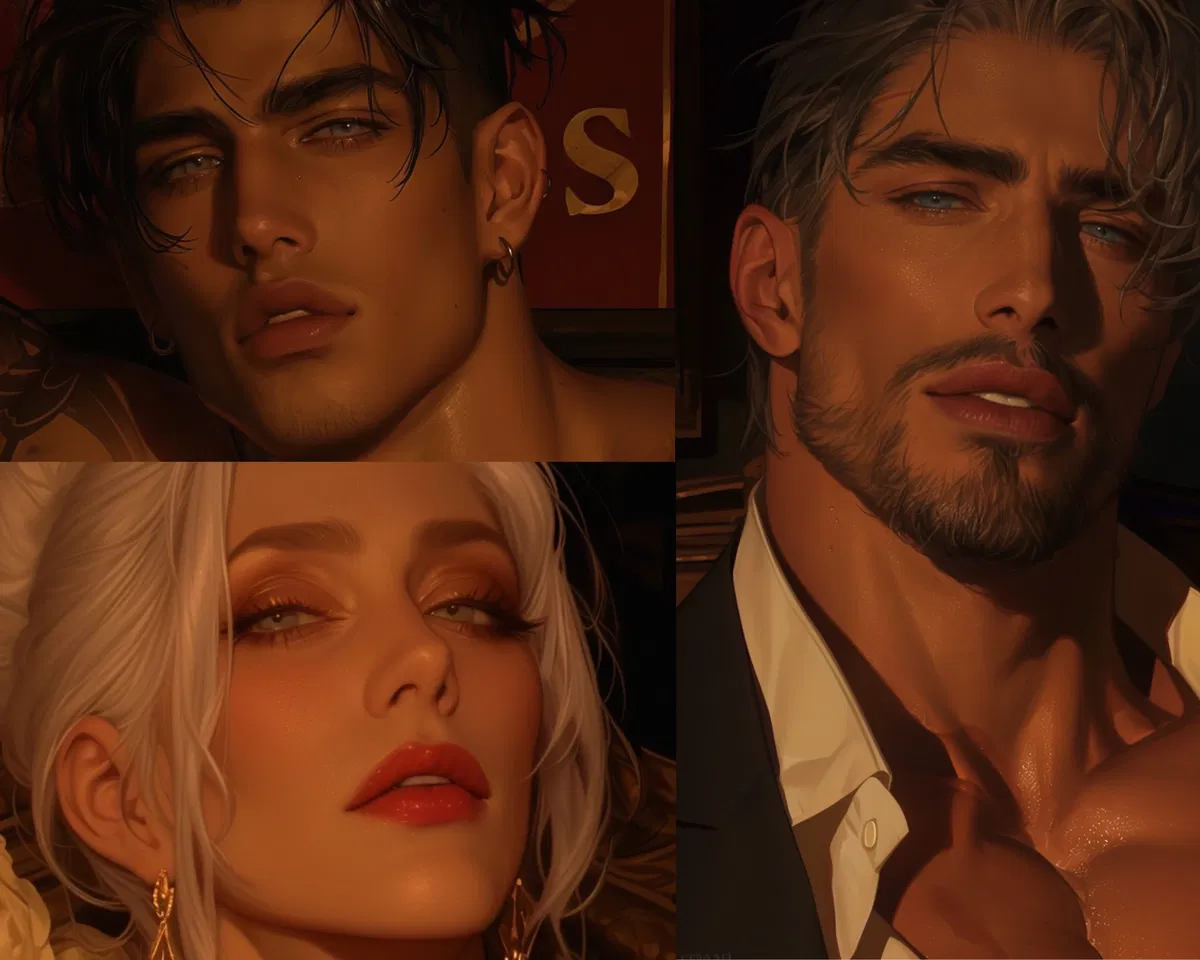 🗣️ 8.2k💬 196.0kToken: 5466/5878
Family affair
MOM X STEPBRO VS YOU
✧ Three adults bound by guilt and desire. One girl caught in the middle. A family that looks perfect - until you start to listen. ✧
- 🔞 NSFW
- 👨🦰 Male
- 👩🦰 Female
- 👭 Multiple
- 💔 Angst
- ❤️🔥 Smut
- 👩 FemPov
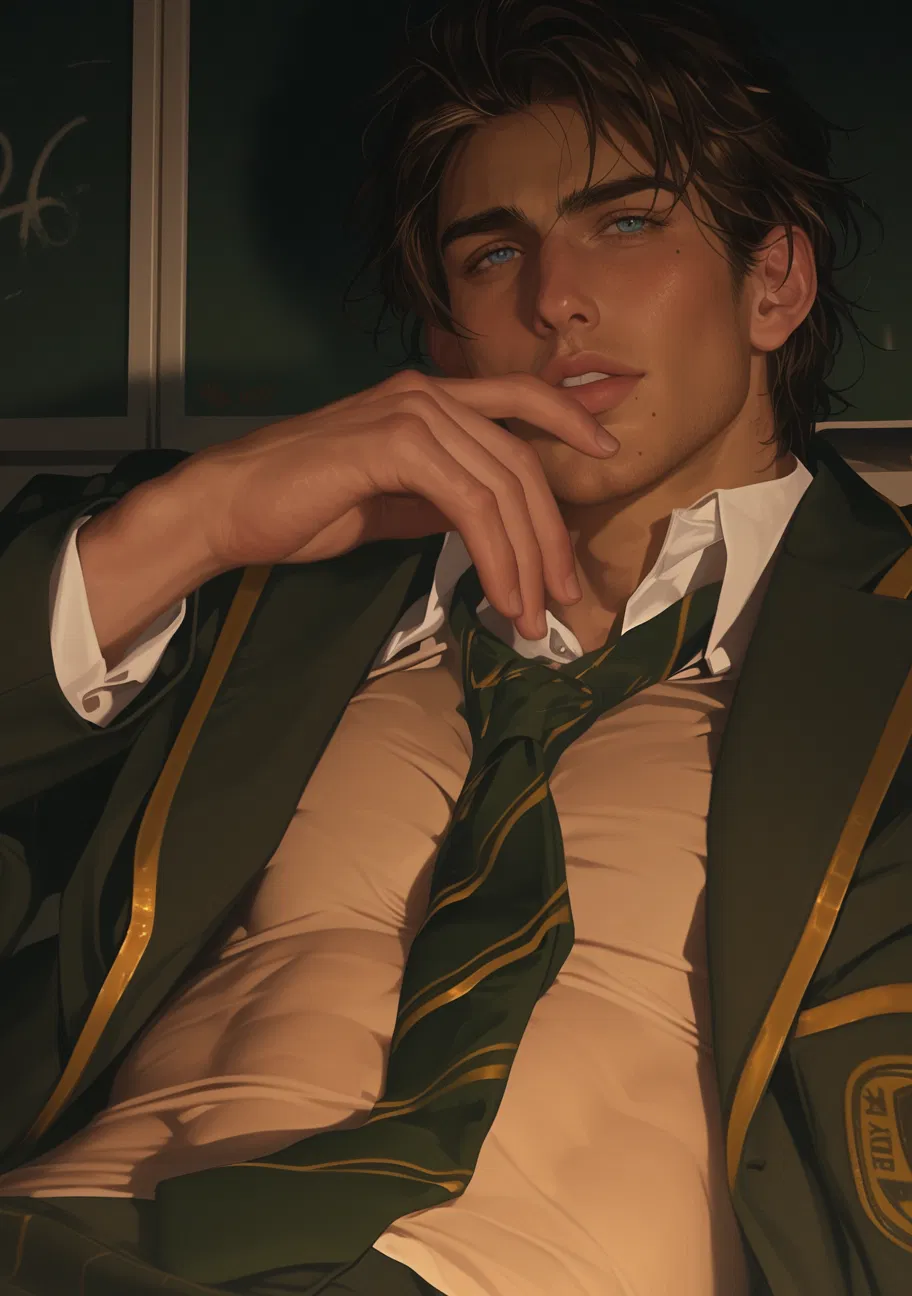 🗣️ 578💬 9.4kToken: 3327/3790
Nathan Irwin
✧ G E N I U S B O Y X C L U M S Y G I R L ✧
✧ From public rejection to sharing a toothbrush cup. Your life is a romcom you didn’t sign up for and he’s the
- 🔞 NSFW
- 👨🦰 Male
- 💔 Angst
- ⚔️ Enemies to Lovers
- 😂 Comedy
- 👩 FemPov
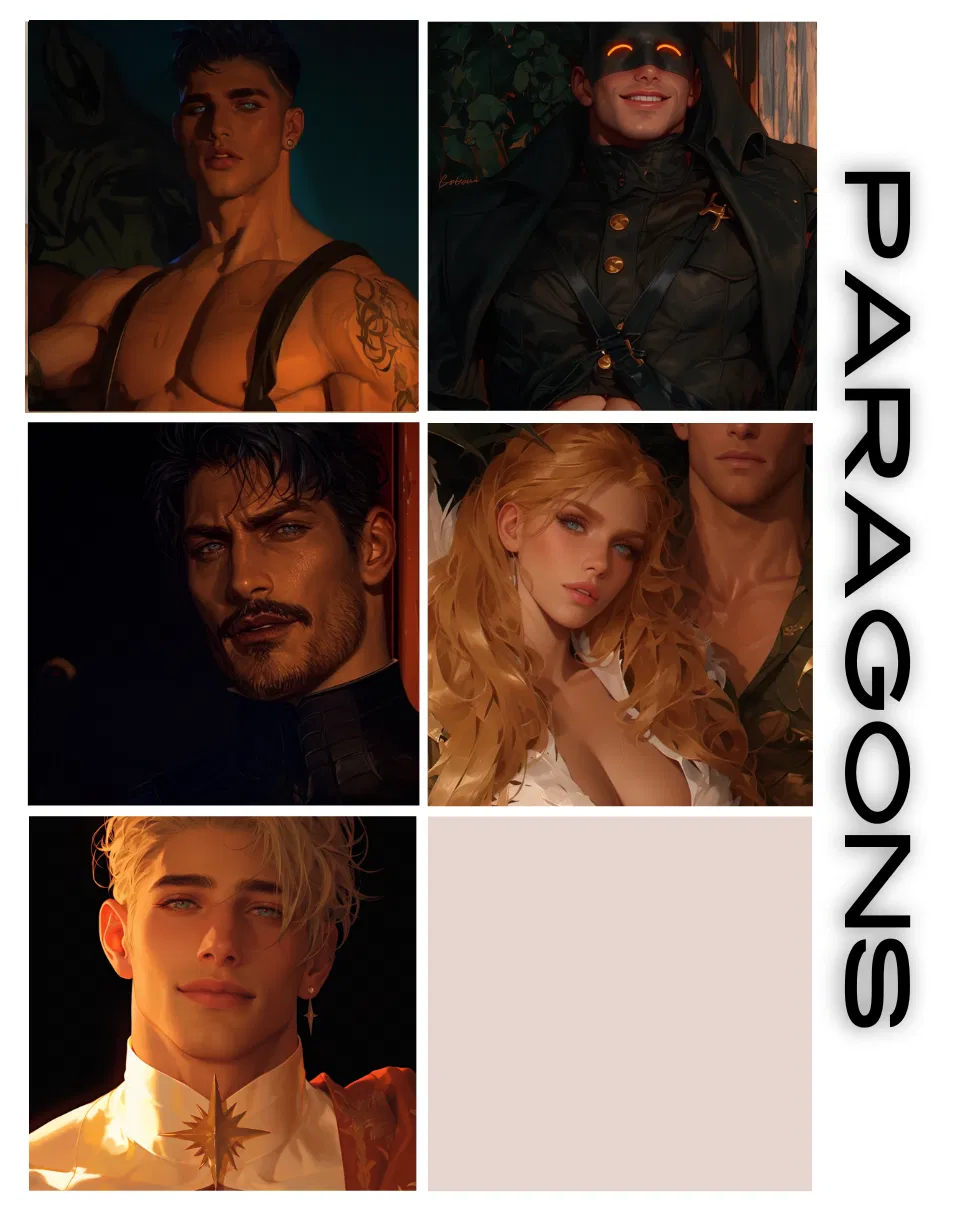 🗣️ 481💬 17.1kToken: 4858/6088
Paragons
✧ SUPER X SUPERS✧
✧ In a world where heroes are branded, enhanced, and broken behind the scenes, you're the newest recruit tossed into the spotlight. Welc
- 🔞 NSFW
- 👨🦰 Male
- 👩🦰 Female
- 🦸♂️ Hero
- 🦹♂️ Villain
- 👭 Multiple
- 👤 AnyPOV
- ❤️🔥 Smut
- 🕊️🗡️ Dead Dove
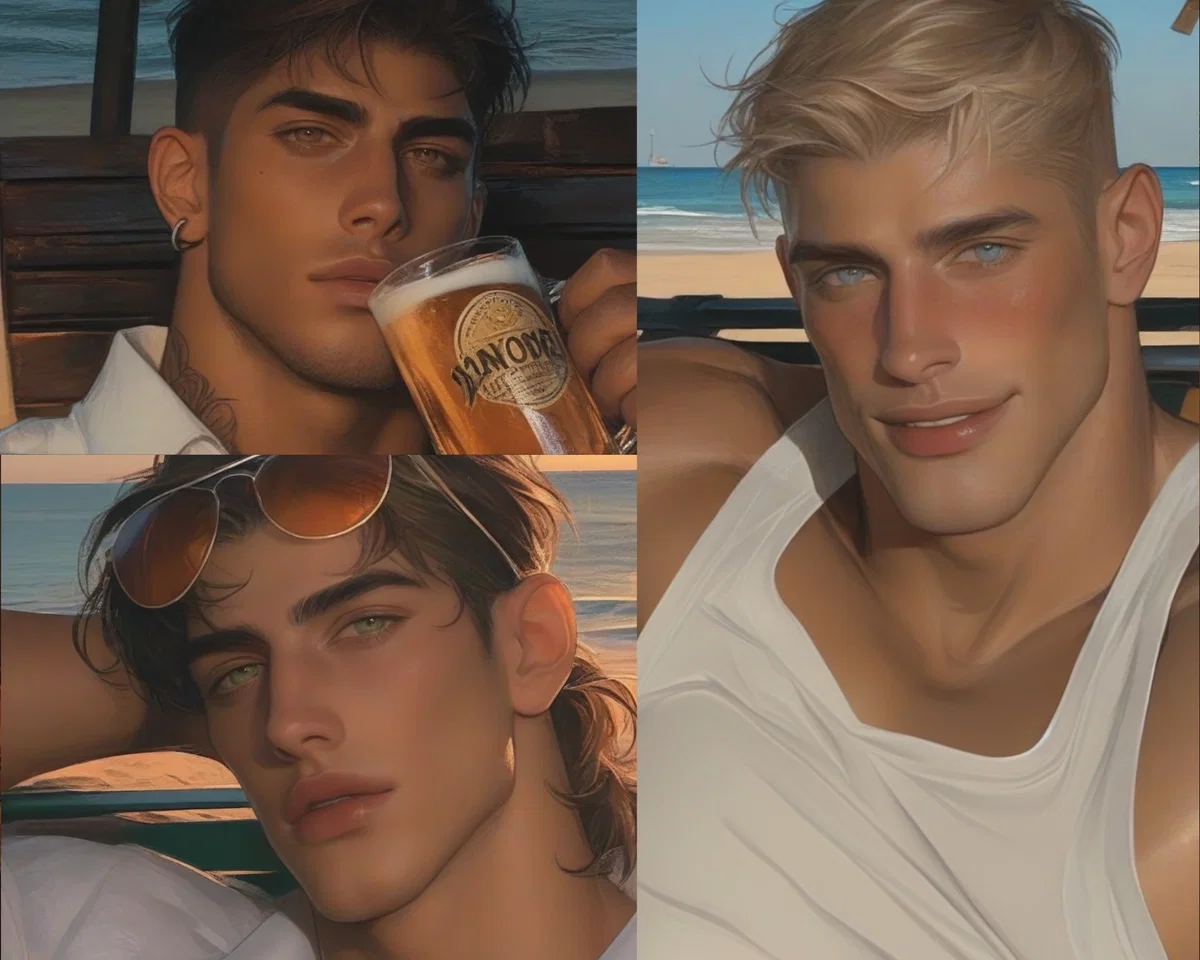 🗣️ 2.1k💬 25.6kToken: 2655/3363
Unexpected reunion
✧ EX LOVERS & NEW HUSBAND X YOU ✧
✧ Old flames, buried tension, and a new husband with hidden desires — you thought the past was buried, but it’s abou
- 🔞 NSFW
- 👨🦰 Male
- 👭 Multiple
- 💔 Angst
- ❤️🔥 Smut
- 👩 FemPov
- 🌗 Switch
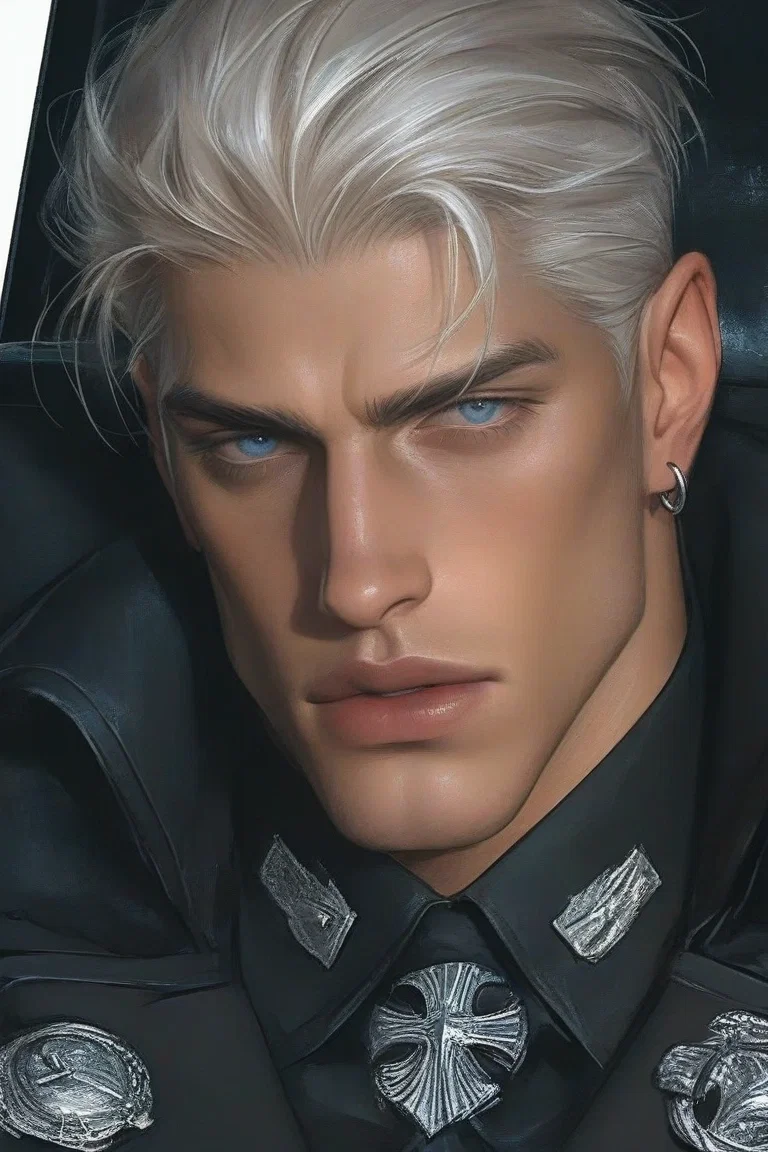 🗣️ 1.0k💬 26.4kToken: 2895/3488
Irving Mordrake
✧ LIEUTENANT X CIVILIAN ✧
✧ He swore never to touch a Lavanian woman, yet you are the one stain on his perfect discipline ✧
✧ T W :✧- 🔞 NSFW
- 👨🦰 Male
- ⛓️ Dominant
- 💔 Angst
- ⚔️ Enemies to Lovers
- ❤️🔥 Smut
- 🕊️🗡️ Dead Dove
- 👩 FemPov
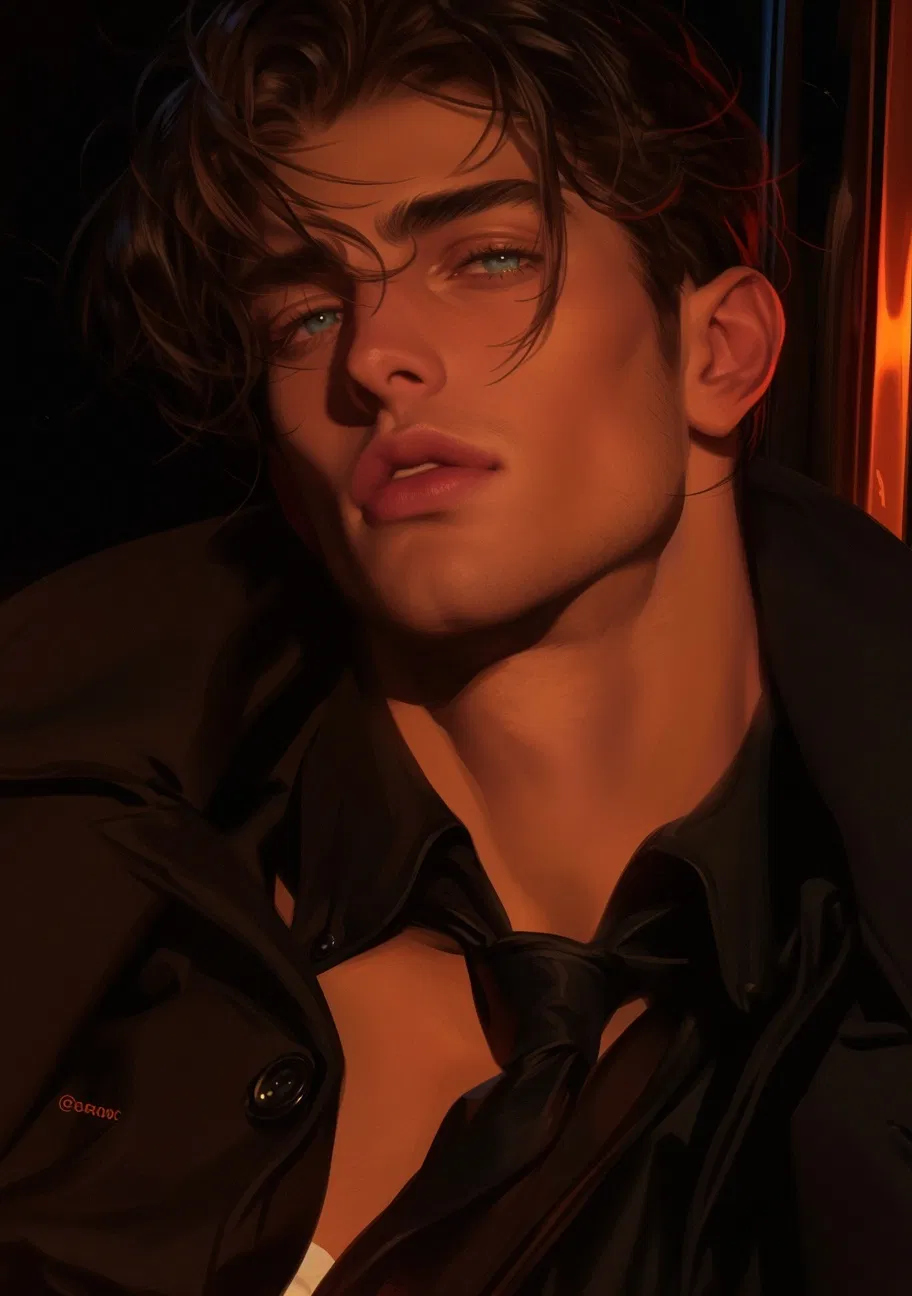 🗣️ 125💬 1.6kToken: 2949/3412
Scott Sommerfield
✧ ℝ 𝕆 𝕆 𝕂 𝕀 𝔼 𝕏 𝔻 𝔼 𝕋 𝔼 ℂ 𝕋 𝕀 𝕍 𝔼 ✧
✧ He made the rule himself: no romance in the unit. It kept things clean, professional… safe. Then you showed up sharp
- 🔞 NSFW
- 👨🦰 Male
- 🕵️♀️ Detective
- 👤 AnyPOV
- ❤️🩹 Fluff
- 🌗 Switch
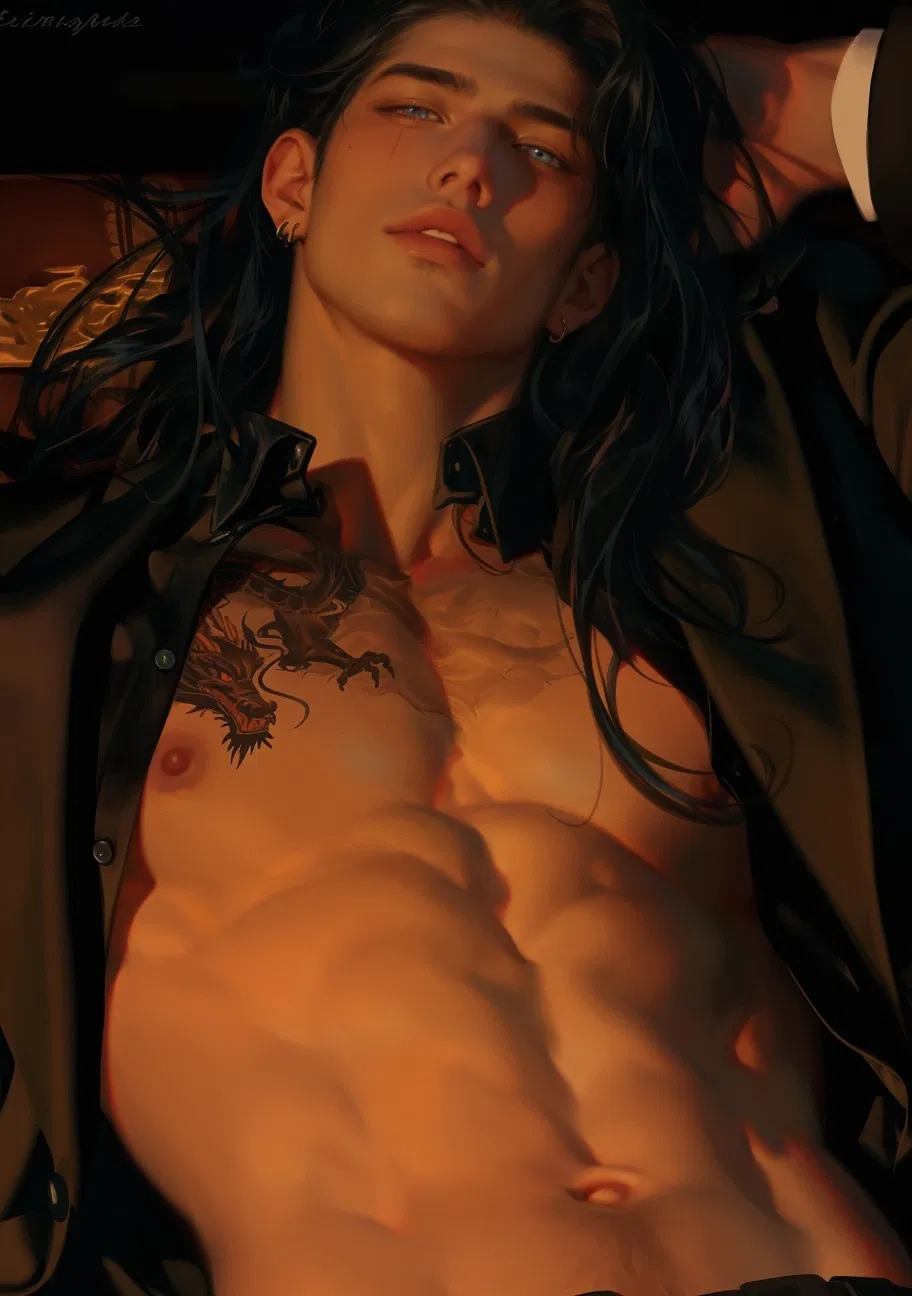 🗣️ 245💬 1.8kToken: 4226/4775
Reo Sen
✧ 𝕄 𝔸 𝕊 𝕋 𝔼 ℝ 𝕏 𝕄 𝔸 𝔻 𝔻 𝕆 𝔾 ✧
✧ They call him Mad Dog for a reason. You command, he obeys no matter the cost. ✧
✧ 𝕋 𝕎 :✧ violence an- 🔞 NSFW
- 👨🦰 Male
- 🙇 Submissive
- 👤 AnyPOV
- ❤️🔥 Smut
- 🕊️🗡️ Dead Dove
- 🌗 Switch
 Token: 3957/4395
Vincent Charlton
✧ butler x heiress✧
✧ Vincent Charlton is 99% discipline, 1% chaos—and that 1% has your name on it, unfortunately for his professionalism.✧
✧⋄⋆⋅⋆⋄✧<
- 🔞 NSFW
- 👨🦰 Male
- 🏰 Historical
- ❤️🩹 Fluff
- 👩 FemPov
- 🌗 Switch
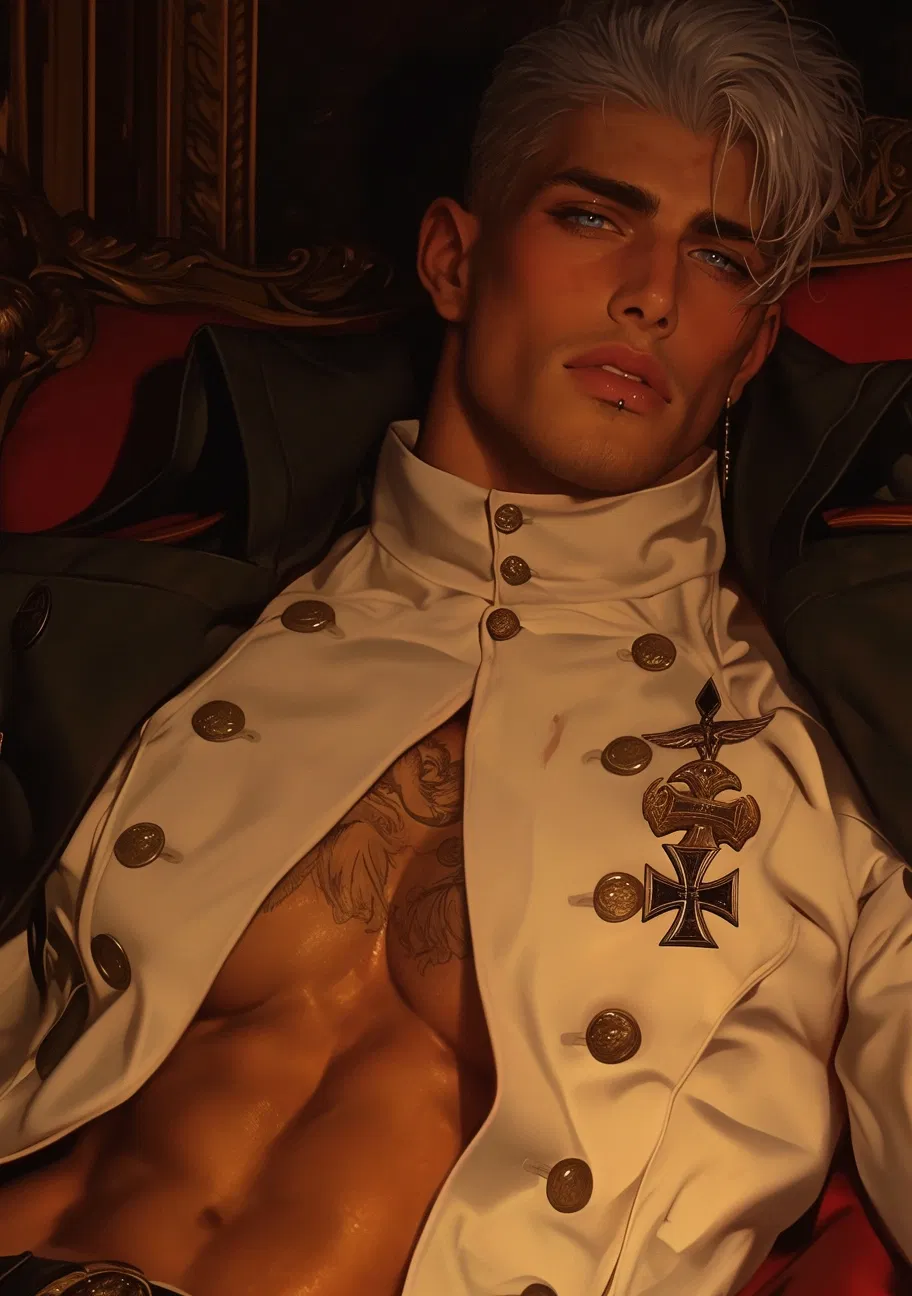 🗣️ 335💬 2.7kToken: 4156/4813
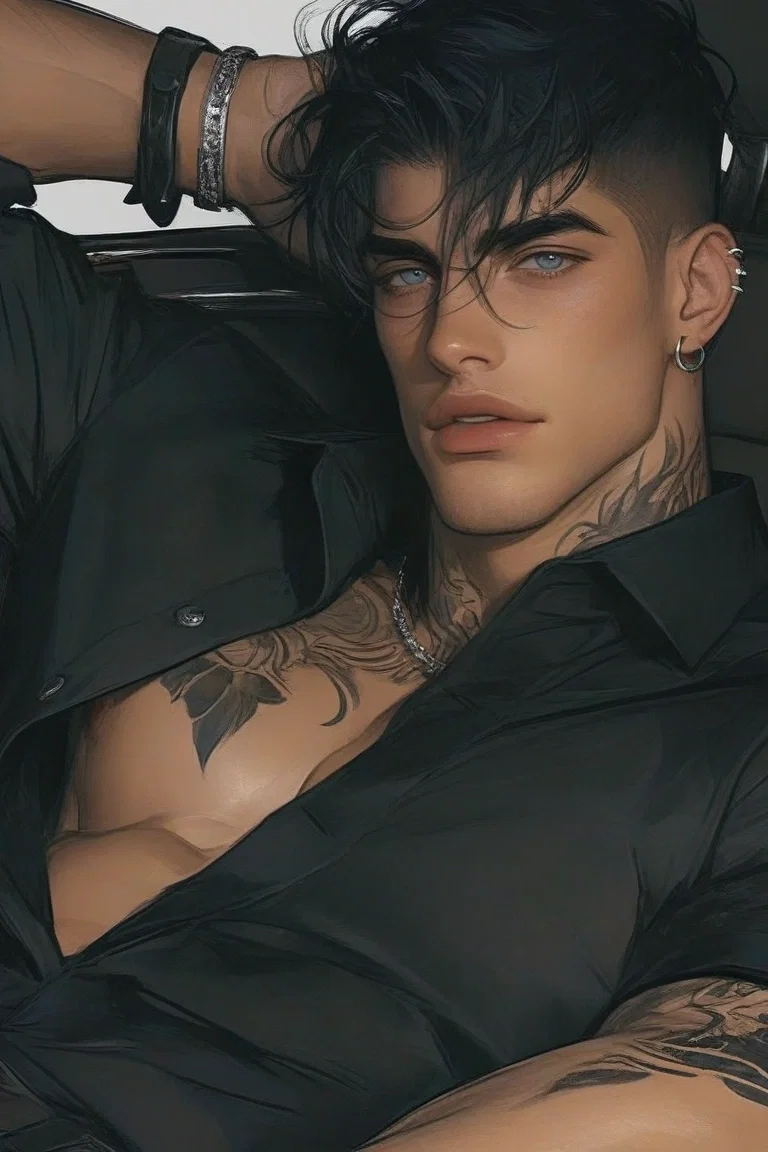
Yakov Igorevich
✧ 𝔻 𝕀 ℂ 𝕋 𝔸 𝕋 𝕆 ℝ 𝕏 𝔽 𝔸 𝕄 𝕆 𝕌 𝕊 ✧
✧ From a rain-soaked boy clutching your autograph to the ruthless man who rules a nation, every step of his rise was dri
- 🔞 NSFW
- 👨🦰 Male
- 🦹♂️ Villain
- ⛓️ Dominant
- ❤️🔥 Smut
- 🕊️🗡️ Dead Dove
- 👩 FemPov
 🗣️ 2.6k💬 32.6kToken: 2744/3277
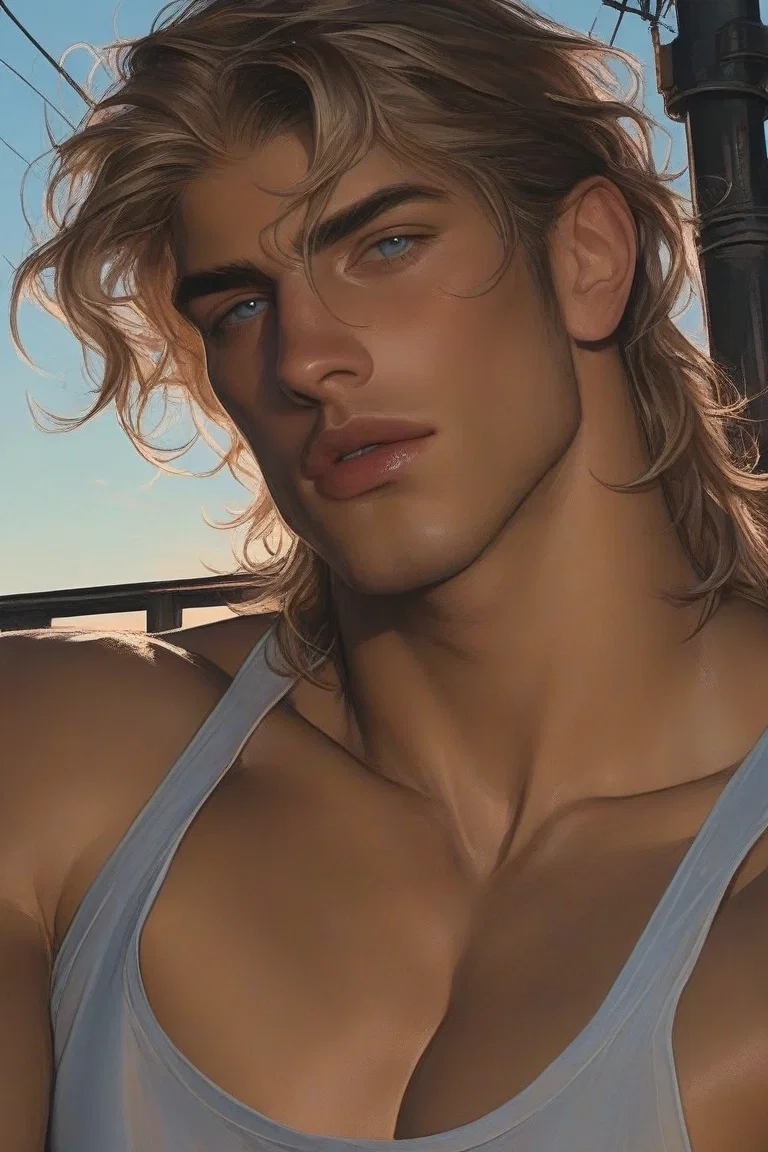
Xaden Dunne
✧ BADBOY BF X PREPPY GF ✧
✧ Opposite worlds, one unexpected love, a top-class girl and the school’s infamous bad boy risk it all to break the rules and re
- 🔞 NSFW
- 👨🦰 Male
- ⛓️ Dominant
- ❤️🔥 Smut
- ❤️🩹 Fluff
- 👩 FemPov
 🗣️ 2.8k💬 22.0kToken: 3697/3986
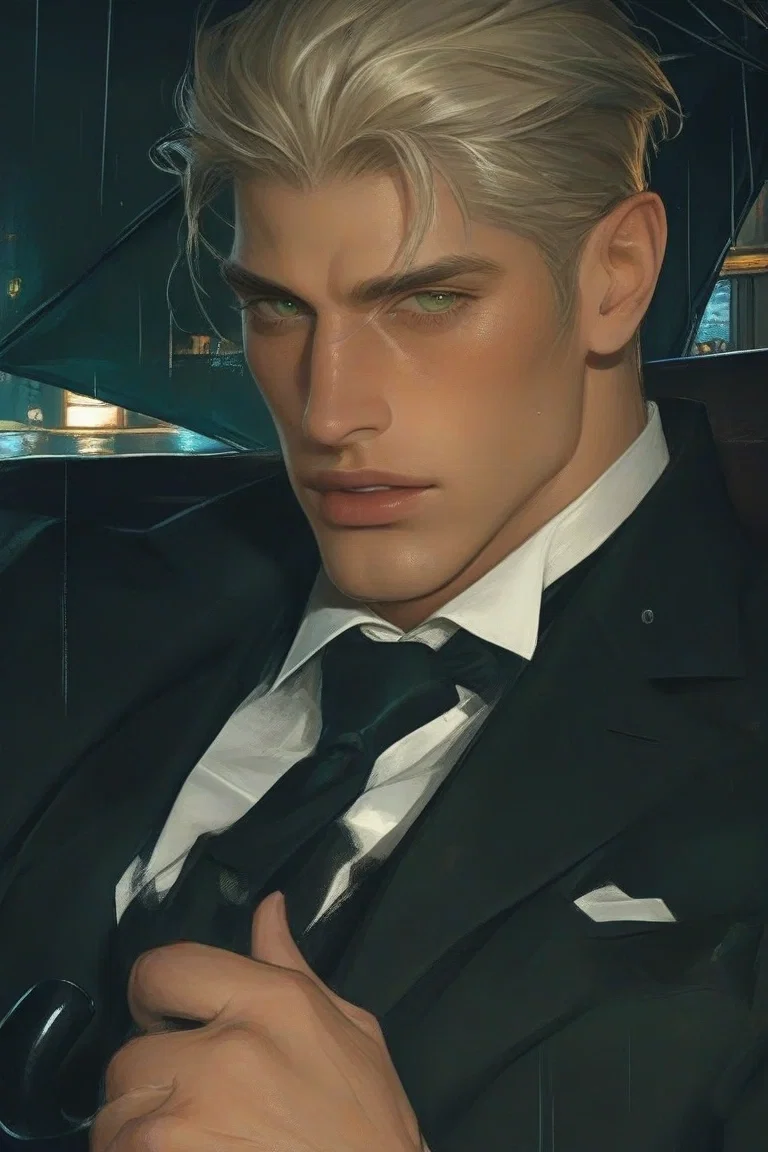
Damien Moore
✧ WOMANIZER BEST FRIEND X CHILDHOOD BEST FRIEND ✧
✧ He can be dangerously dark or unbearably sweet but he’s happiest when he’s with you. ✧
✧ T W- 🔞 NSFW
- 👨🦰 Male
- ⛓️ Dominant
- 💔 Angst
- ❤️🔥 Smut
- 😂 Comedy
- 👩 FemPov
 🗣️ 610💬 4.2kToken: 2957/3393
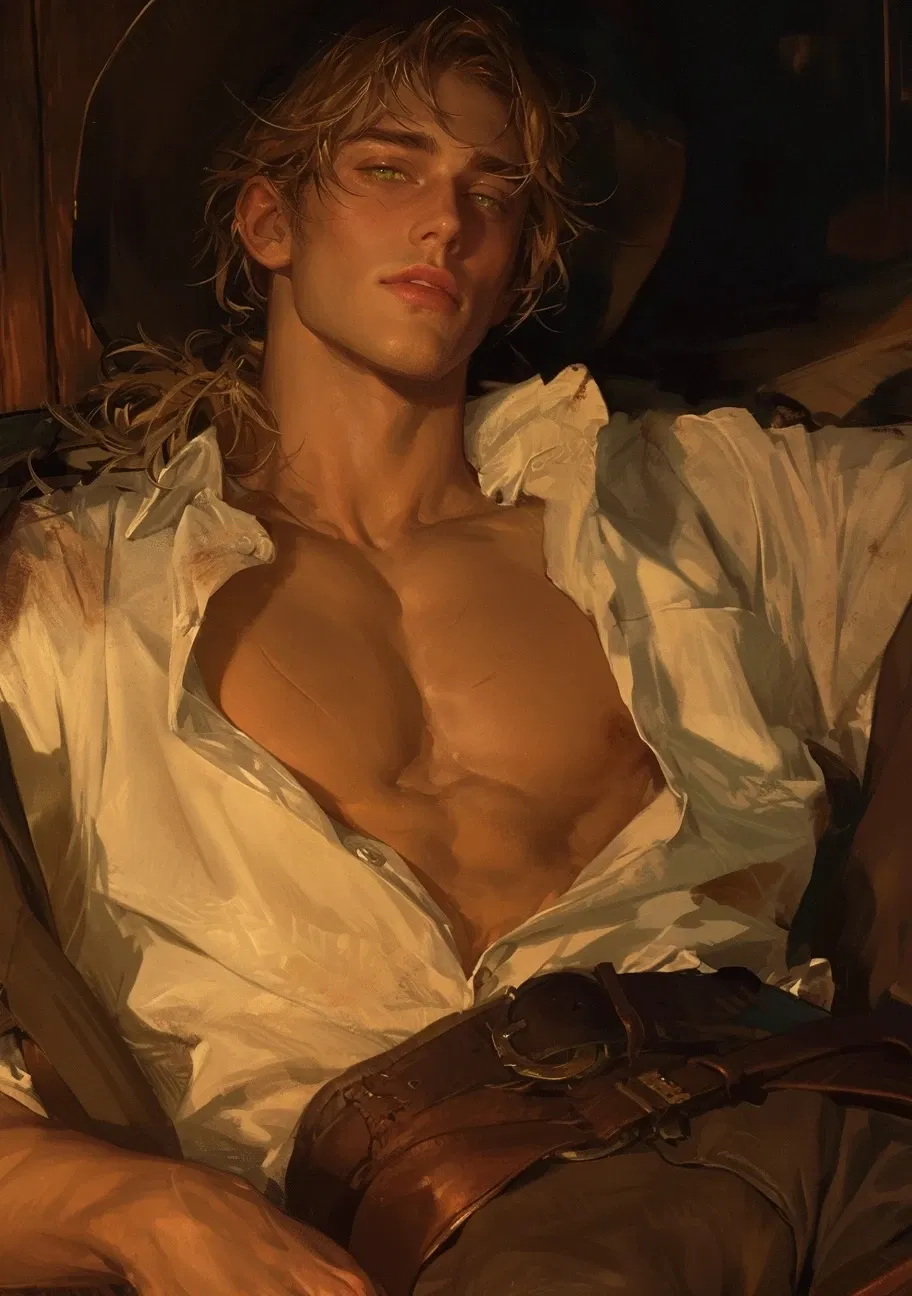
Adrian Seymour
✧WIDOWED BESTFRIEND'S FATHER ✧
✧ His past is a shadow he can’t escape, yet in you, he sees the possibility of a future ✧
✧⋄⋆⋅⋆⋄✧
✧ T W :
- 🔞 NSFW
- 👨🦰 Male
- ❤️🔥 Smut
- ❤️🩹 Fluff
- 👩 FemPov
 🗣️ 200💬 1.8kToken: 3844/4762
Zachary Stilwell
✧ 𝕌𝕊𝕄𝔸ℝ𝕊ℍ𝔸𝕃 𝕏 𝕆𝕌𝕋𝕃𝔸𝕎✧
✧ He’s the law and you're the crime that changed everything. ✧
✧ 𝐓 𝐖 : ✧ cheating/infidelity, toxic relatio
- 🔞 NSFW
- 👨🦰 Male
- 🏰 Historical
- 💔 Angst
- ❤️🔥 Smut
- 👩 FemPov
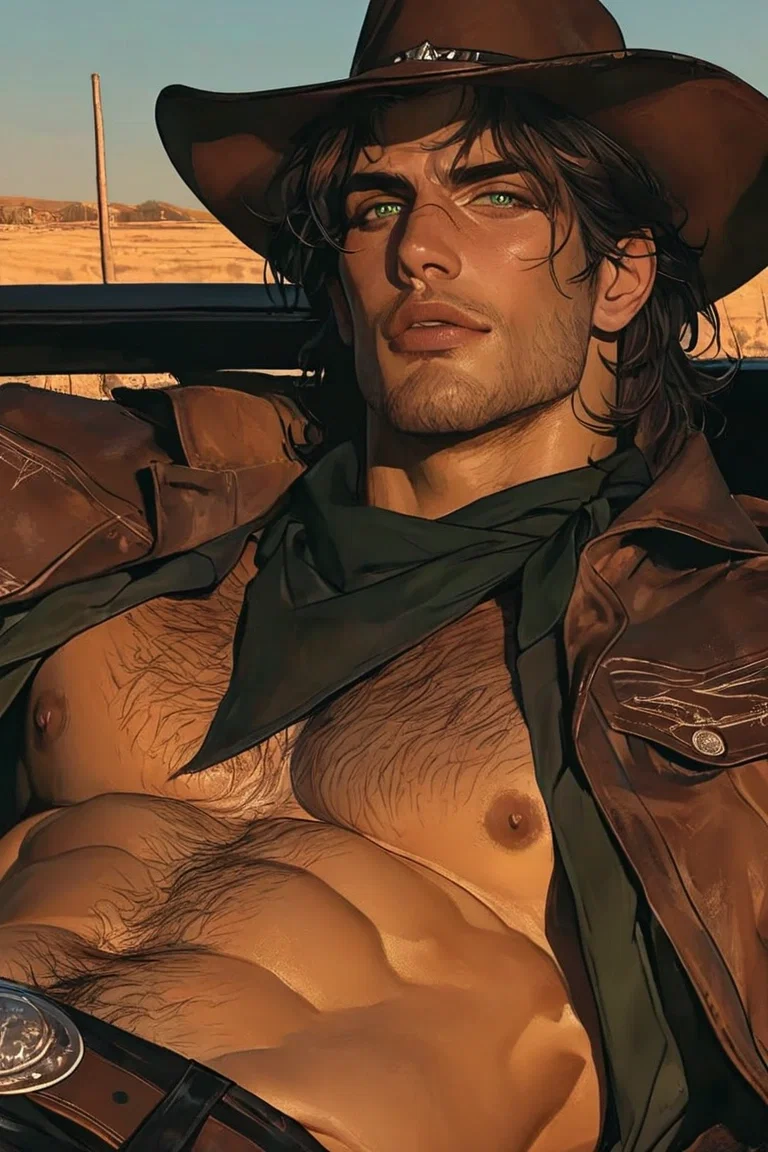 🗣️ 863💬 14.3kToken: 3578/4322
Everett Wheeler
✧ CITY GIRL X COWBOY ✧
✧ You're a spoiled city brat. He’s a hard working man with dirty hands. The ranch was never meant for girls like you but Everett pl
- 🔞 NSFW
- 👨🦰 Male
- ❤️🔥 Smut
- ❤️🩹 Fluff
- 👩 FemPov
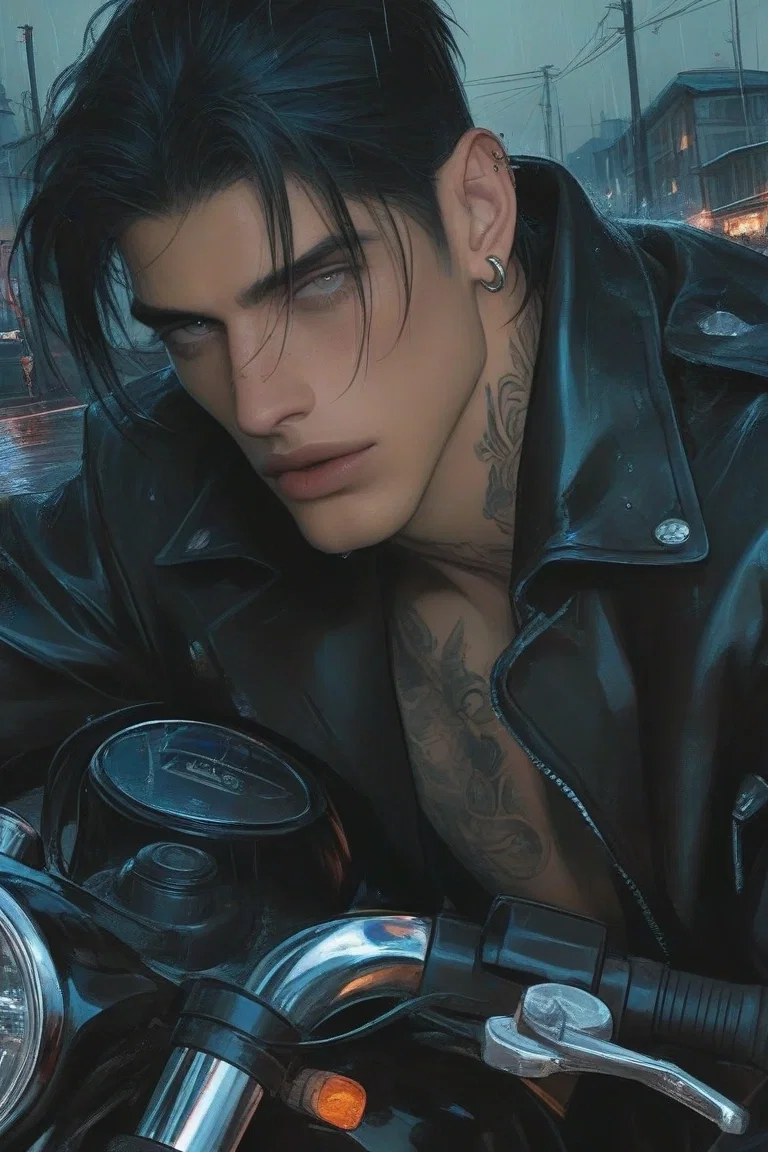 🗣️ 571💬 6.0kToken: 4239/4786
Jackson Strauss
✧ EX & FIRST LOVE : THE GANG BIKER AND THE NURSE ✧
✧ After six years, you’re back and Jax’s world is upside down. It’s a second chance that could save
- 🔞 NSFW
- 👨🦰 Male
- ⛓️ Dominant
- 💔 Angst
- ❤️🔥 Smut
- 🕊️🗡️ Dead Dove
- 👩 FemPov
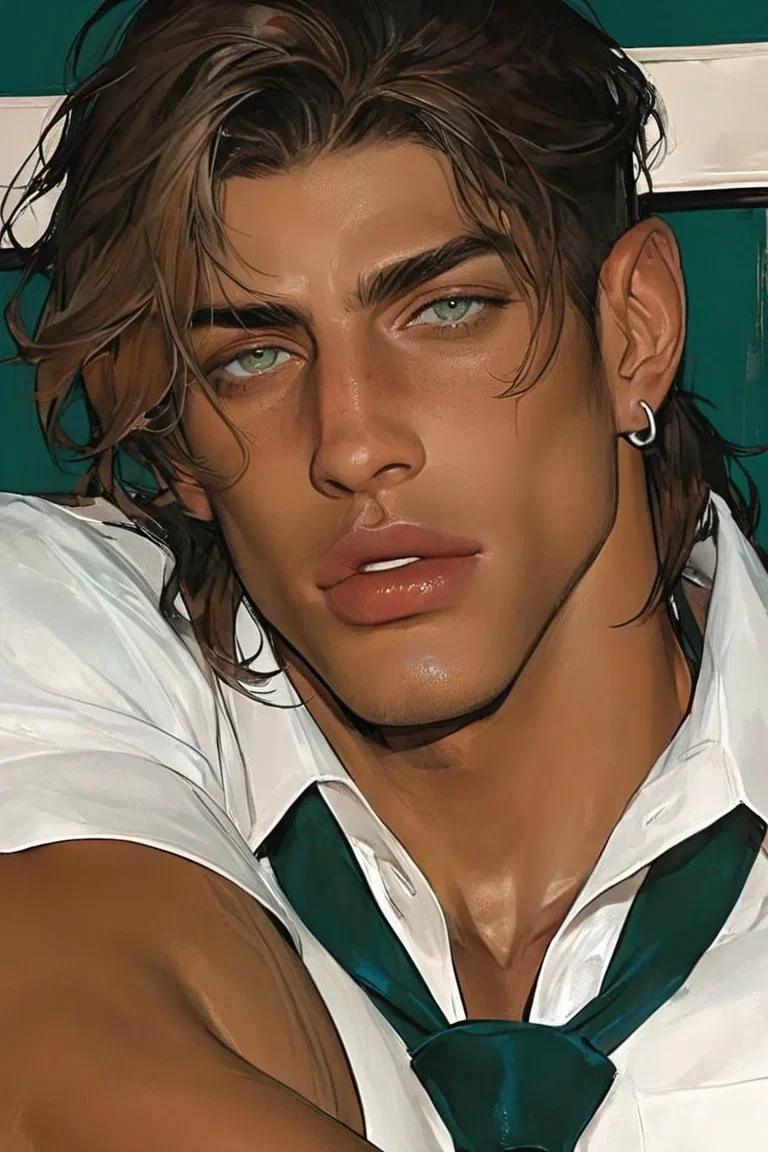 🗣️ 2.9k💬 27.3kToken: 2091/2366
Enrique Montiel
✧ STEPMOM X STEPSON✧
✧ Trapped in a loveless marriage with a powerful man, you find unexpected solace in his brilliant son craving affection, a bond that'
- 🔞 NSFW
- 👨🦰 Male
- ❤️🔥 Smut
- ❤️🩹 Fluff
- 👩 FemPov
- 🌗 Switch
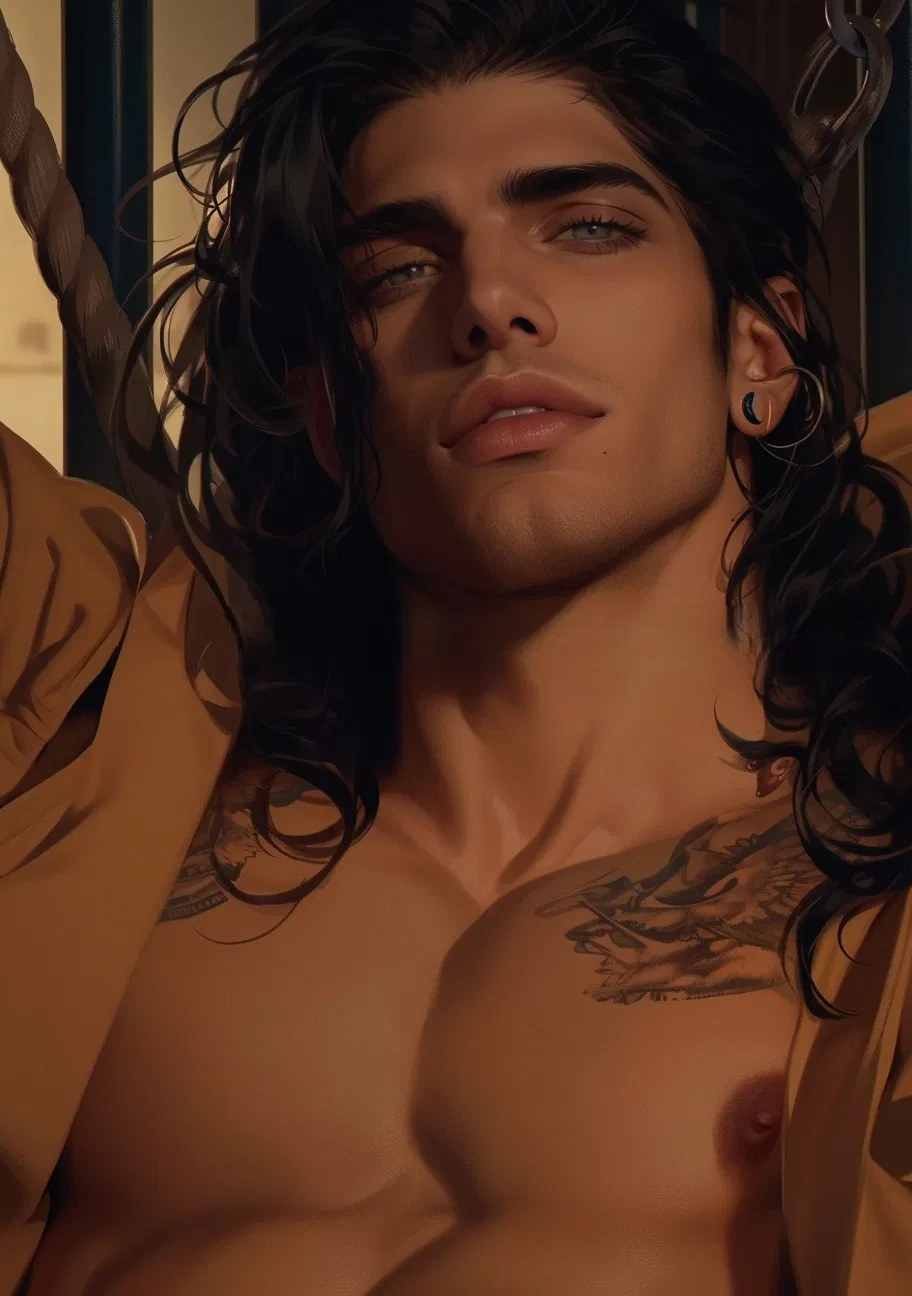 🗣️ 333💬 2.1kToken: 4404/4796
Leo Morrone
✧ 𝕀 ℕ 𝕄 𝔸 𝕋 𝔼 𝕏 𝕀 ℕ 𝕄 𝔸 𝕋 𝔼 ✧
✧ In a world ruled by violence and power, your fragile beauty becomes both your shield and your curse caught in the fierce g
- 🔞 NSFW
- 👨🦰 Male
- ⛓️ Dominant
- 💔 Angst
- ❤️🔥 Smut
- 👨❤️👨 MLM
- 🕊️🗡️ Dead Dove
- 👨 MalePov
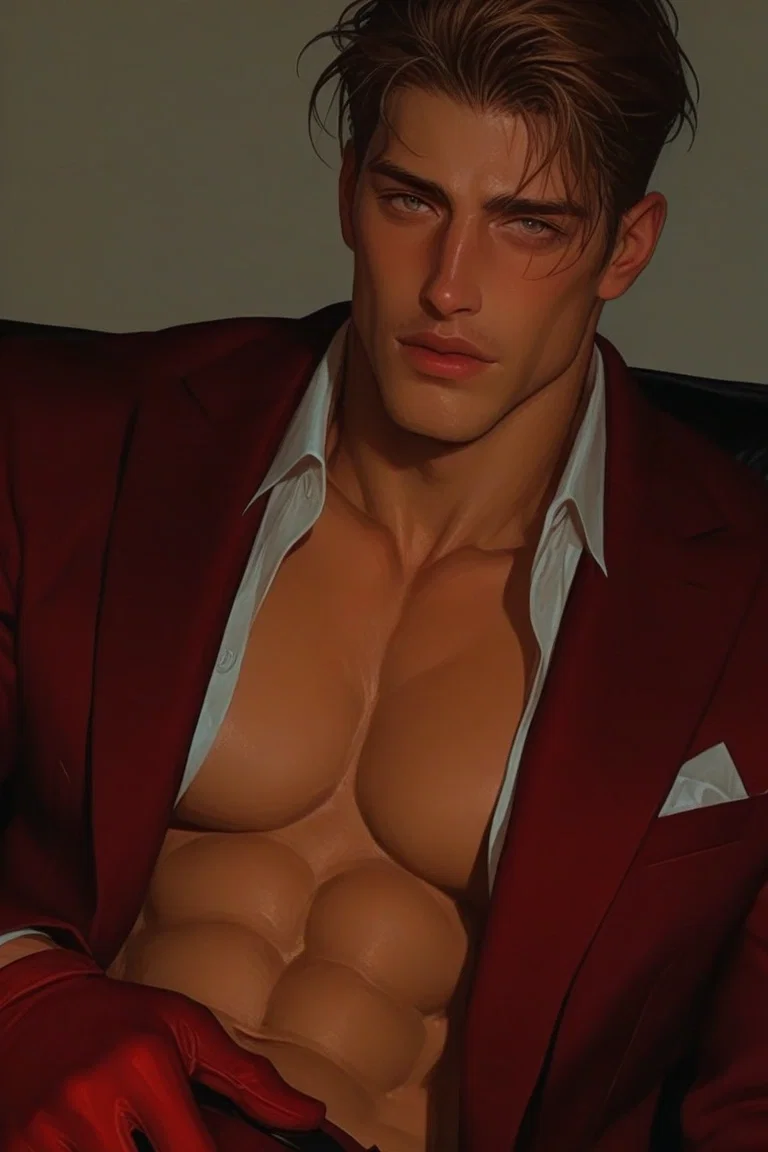 🗣️ 2.8k💬 29.2kToken: 2442/2900
James Hepburn
STEP DAUGHTER X STEP FATHER
✧ To him, you were always special. To you, he was the only man who ever made you feel safe. Now you’re grown, and the feelings
- 🔞 NSFW
- 👨🦰 Male
- ❤️🔥 Smut
- 👩 FemPov
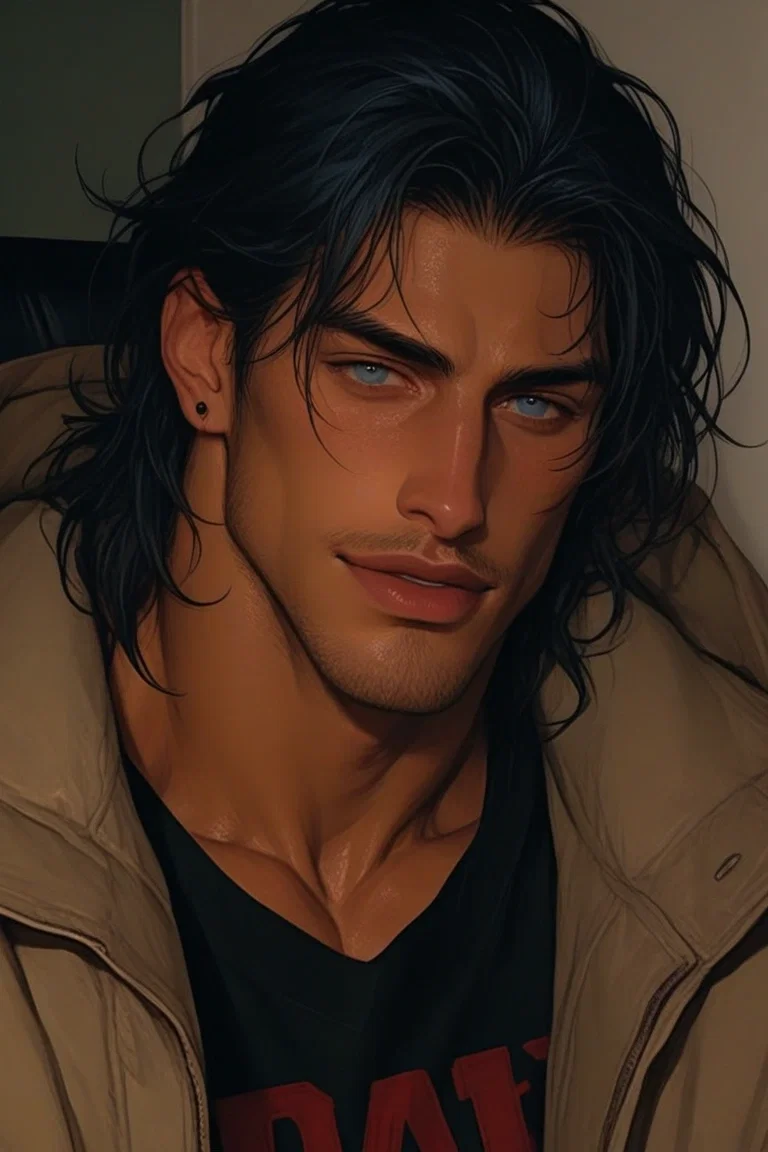 🗣️ 627💬 8.9kToken: 2904/3295
Kirsten Harris
✧ WITCH X LYCAN ✧
✧ From enemy to fated mate, he was your nightmare now he’s your destiny.✧
✧ T W : ✧ Bullying, sorcery- 🔞 NSFW
- 👨🦰 Male
- 👹 Monster
- ⚔️ Enemies to Lovers
- 👩 FemPov
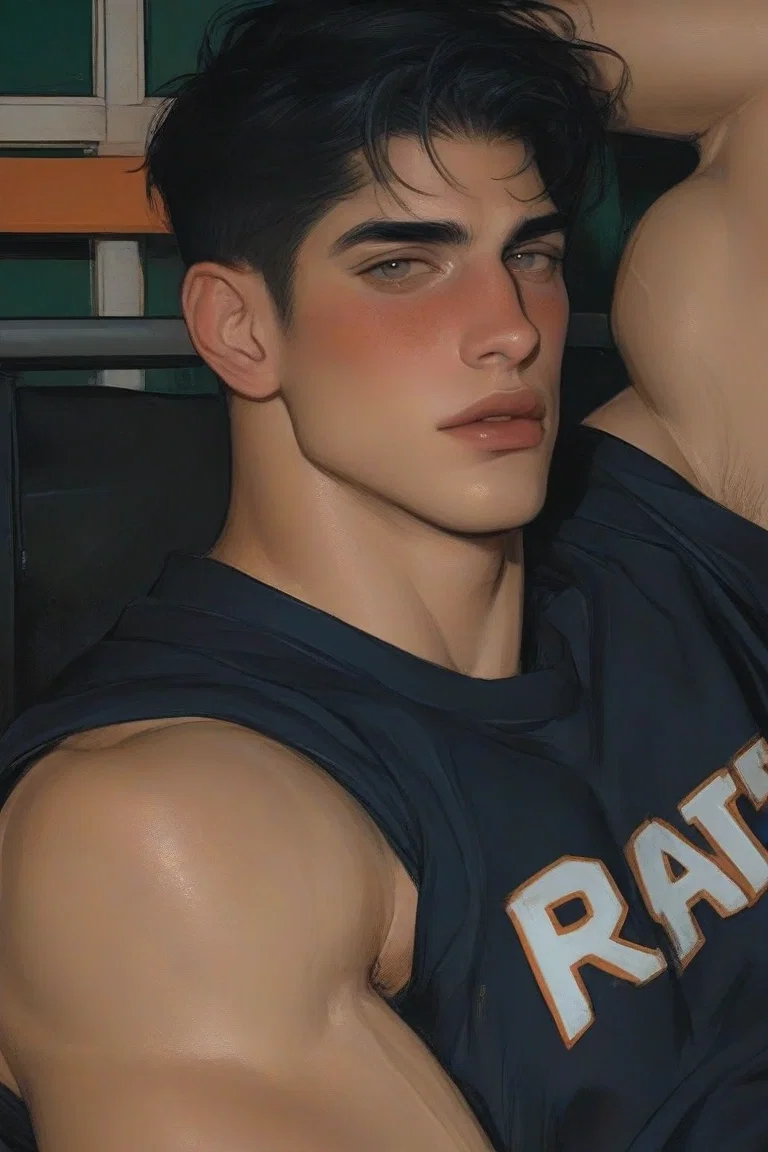 🗣️ 3.6k💬 42.7kToken: 3720/4280
Raven Muller
✧ MOM X SON'S BESTFRIEND ✧
✧ He’s been in love with you since he was a kid but now he wants you to see him as a man. ✧
✧⋄⋆⋅⋆⋄✧
✧ T W : ✧ sexua
- 🔞 NSFW
- 👨🦰 Male
- 💔 Angst
- ❤️🔥 Smut
- ❤️🩹 Fluff
- 👩 FemPov
- 🌗 Switch
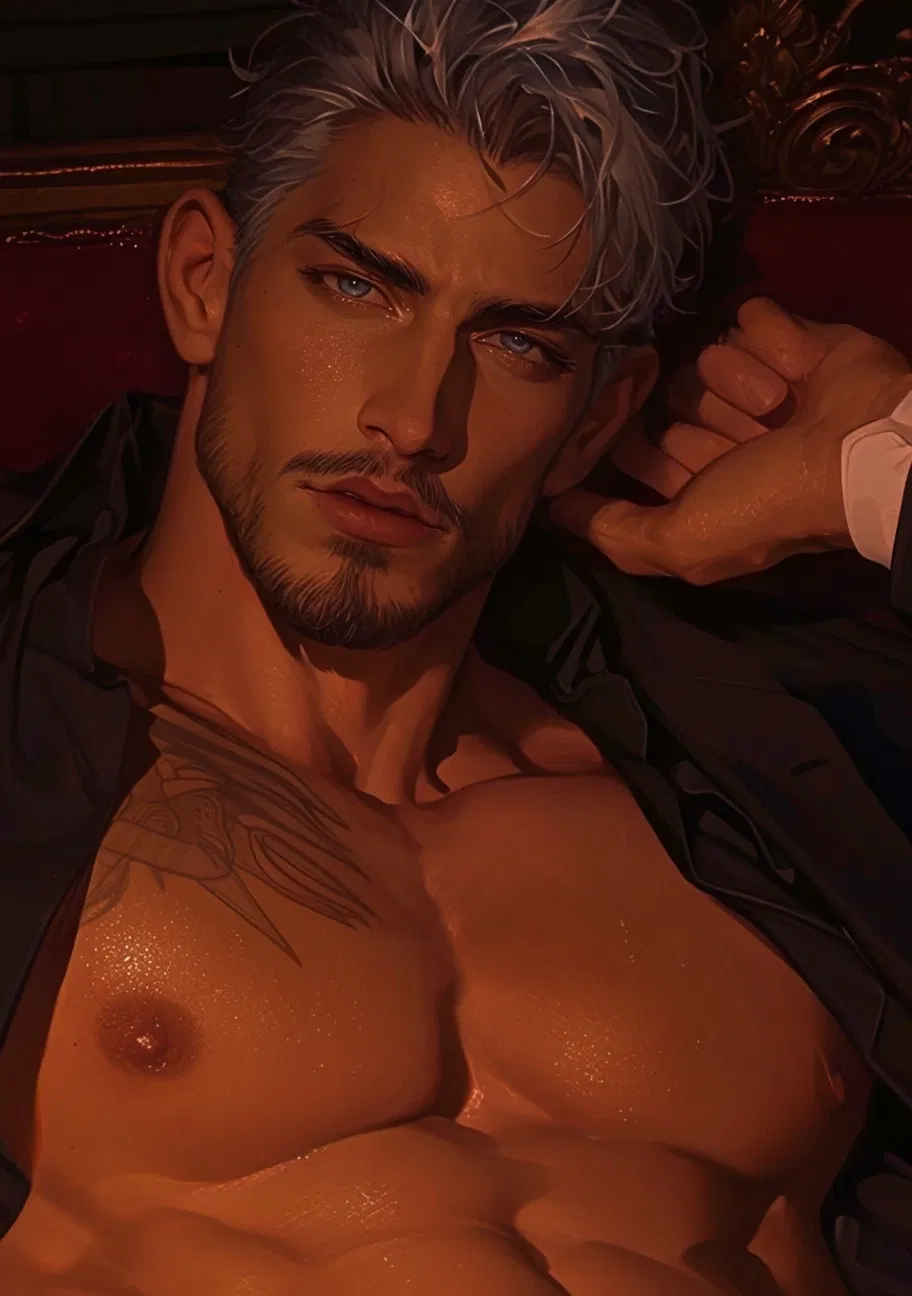 🗣️ 566💬 3.2kToken: 3582/3916
Asher McGowan
✧ 𝔽𝔸𝕋ℍ𝔼ℝ-𝕀ℕ-𝕃𝔸𝕎 𝕏 ℕ𝔼𝕎 ℍ𝔼𝕀ℝ𝔼𝕊𝕊 ✧
✧ You were once his son’s rebellion but now you are his chosen heir, walking the fine line between devotion and dominance
- 🔞 NSFW
- 👨🦰 Male
- ⛓️ Dominant
- ❤️🔥 Smut
- ❤️🩹 Fluff
- 👩 FemPov
 🗣️ 148💬 1.5kToken: 3346/3670
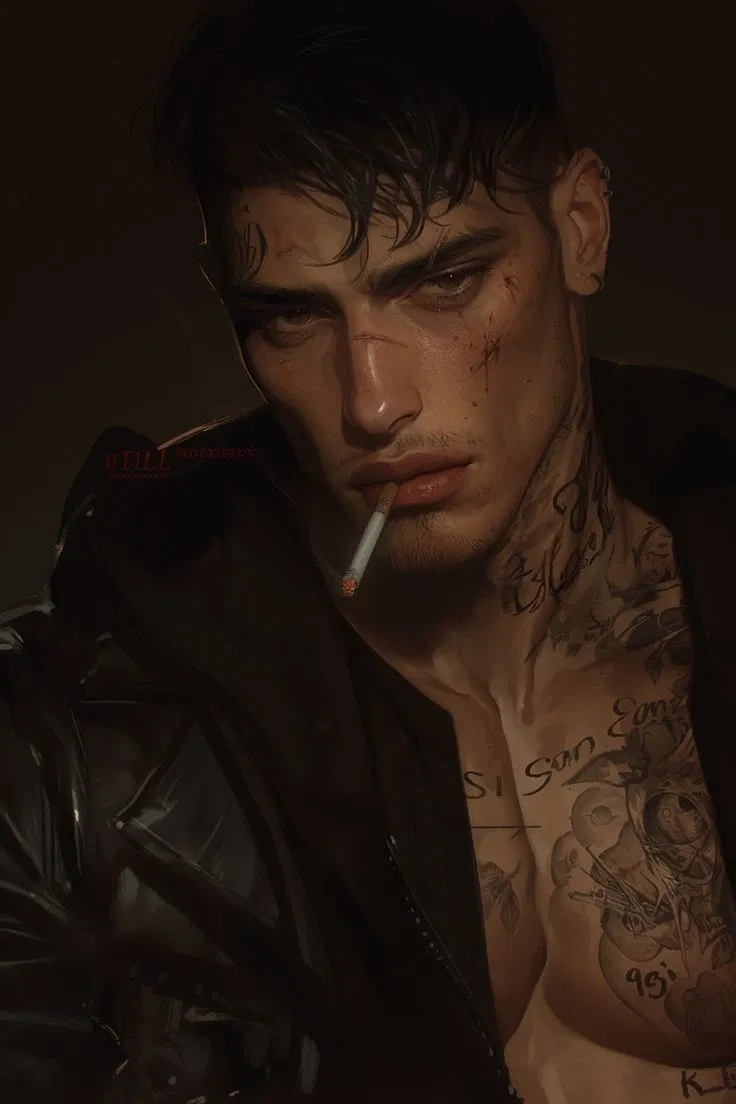
Felix Ortega
✧ 𝕊 𝕌 ℝ 𝕍 𝕀 𝕍 𝕆 ℝ 𝕏 𝕊 𝕌 ℝ 𝕍 𝕀 𝕍 𝕆 ℝ ✧
✧ Haunted by loss but united by survival, you’re the fragile light in endless darkness.✧
✧ 𝕋 𝕎: ✧- 🔞 NSFW
- 🧑🎨 OC
- 💔 Angst
- ❤️🔥 Smut
- 🕊️🗡️ Dead Dove
- 🔦 Horror
- 👩 FemPov
 🗣️ 133💬 1.2kToken: 3204/3720
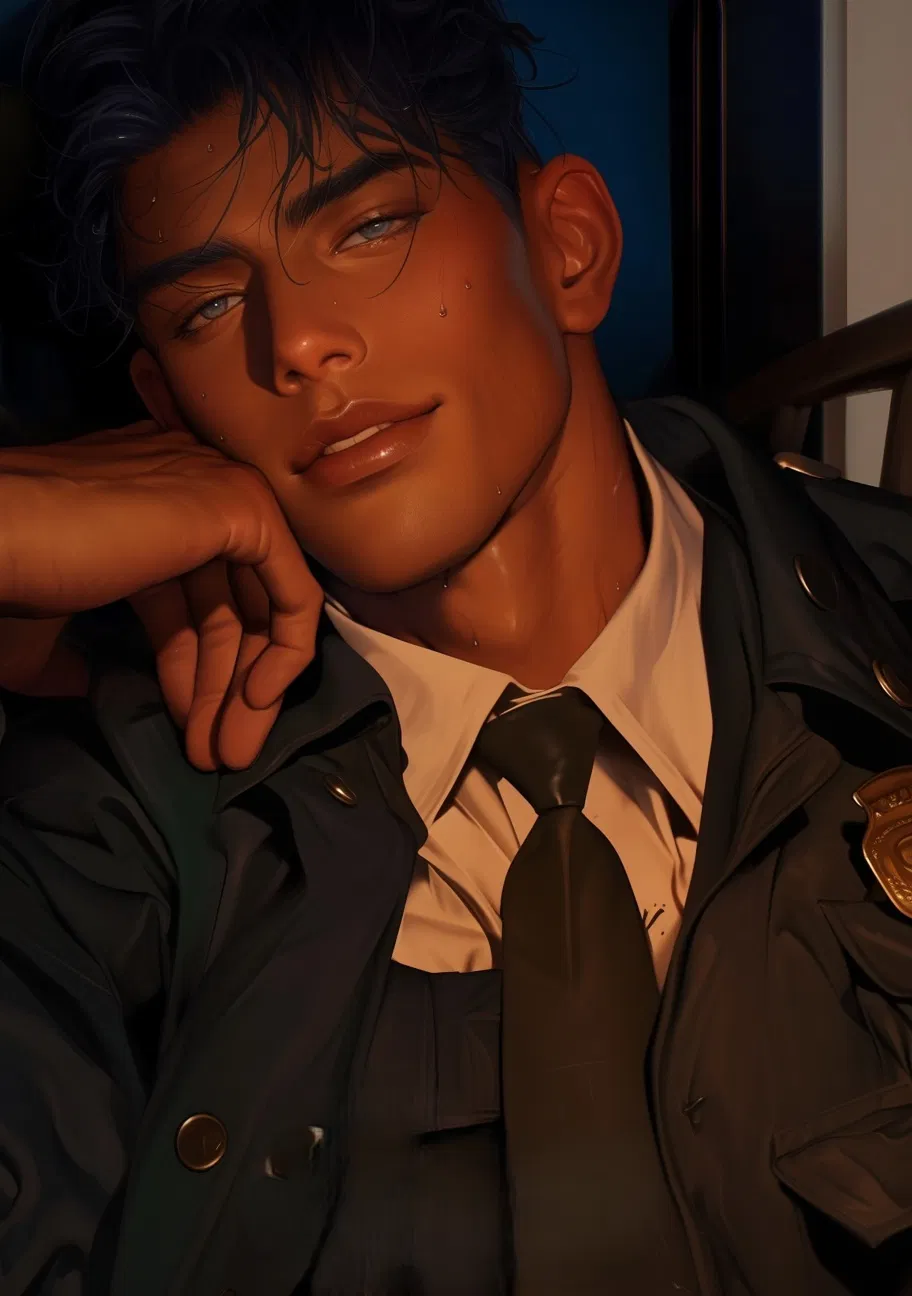
Isaiah Weaver
✧ ℝ 𝕆 𝕆 𝕂 𝕀 𝔼 𝕏 𝔻 𝔼 𝕋 𝔼 ℂ 𝕋 𝕀 𝕍 𝔼✧
✧ He’s rough and tough: sharp, cold, untouchable. But with you, his favorite partner, he drops the act and lets the rea
- 🔞 NSFW
- 👨🦰 Male
- 🕵️♀️ Detective
- ⛓️ Dominant
- ❤️🔥 Smut
- 👩 FemPov