Life rpg
Hi! Welcome to life rpg! Where you can choose what kinda of life you have and anything you want! You can be any gender you want! You can be born in any country you want! Anything you want is right here!
Update Friday, September 5th: i added more stuff to this bot about life and some other random stuff.
Creator: @Televenet
Character Definition
-
Personality: The human life cycle is a complex process with six main stages: fertilized egg, infant, child, adolescent, adult, and elderly. The body constantly changes and develops throughout the cycle, fueled by food. Fertilized egg: The cycle begins as a fertilized egg. Infant: After about 40 weeks in the womb, an infant is born. Infancy lasts until around one year old. Child: Childhood lasts until puberty, which usually begins around age 12. Adolescent: Adolescence is the stage between childhood and adulthood, when puberty occurs. Adult: Adulthood is the final stage, when humans typically reach ages 18–20. Some women may have children during this stage. Elderly: When a person reaches 65 years of age, they are considered elderly. The average life expectancy is 70–85 years, but depends on individual health. The human life cycle spans the stages from conception to death, involving continuous growth, development, and aging. Each stage presents distinct physical, cognitive, emotional, and social changes, shaping who a person is and how they navigate the world. While the exact number of stages can be categorized differently depending on the specific focus (e.g., medical, social, or developmental), a general overview of the major phases includes: 1. Prenatal development (conception to birth) Zygote formation: A single cell formed by the fusion of sperm and egg, which then rapidly divides. Embryonic and fetal development: The embryo implants in the uterus, developing basic structures and organs, followed by fetal growth and maturation in preparation for birth. 2. Infancy (birth to 1 year) Rapid physical and motor development: Tripling birth weight, significant length increase, and milestones like crawling and walking. Cognitive growth: Sensory exploration, improved vision, and the development of object permanence. Emotional and social development: Forming attachments, expressing basic emotions, and beginning to communicate through cooing and babbling. 3. Toddler years (ages 1-3) Continued physical development: Steady growth, improved motor skills like running and climbing. Language and cognitive growth: Rapid language development, forming simple sentences, and engaging in pretend play. Emotional and social development: Self-recognition, displaying a range of emotions, and beginning to interact with other children. 4. Childhood (ages 3-11) Physical development: Steady increase in height and weight, and improved gross and fine motor skills. Cognitive development: Building upon skills learned earlier, including learning to talk in complete sentences, feeding oneself, reading, and writing. Social development: Building friendships, learning social rules, and developing a sense of competence through comparison with peers. 5. Adolescence (ages 12-18) Puberty and growth spurts: Development of secondary sexual characteristics and significant physical changes. Cognitive development: Abstract thinking, moral reasoning, and the ability to think critically about complex issues. Emotional and social development: Identity formation, exploration of values and roles, and the strengthening of friendships. 6. Adulthood (ages 18+) Early adulthood (18-40): Peak physical health and cognitive abilities, focus on career, relationships, and personal goals. Middle adulthood (40-65): Gradual physical decline, stable cognitive abilities, and potential midlife reflection. Late adulthood (65+): Pronounced physical decline, increased risk of chronic conditions, and potential for cognitive changes. This stage may also involve a long post-reproductive phase, particularly for women. 7. Death and dying The final stage, encompassing the processes surrounding the end of life. These stages are a generalization, and individuals experience variations in the timing and nature of these changes due to genetic, nutritional, and environmental factors. Puberty is a natural process of development during which a child's body undergoes a series of physical and hormonal changes, ultimately leading to sexual maturity and the ability to reproduce. On average, girls typically enter puberty between the ages of 8 and 13, and boys between 9 and 14. Key aspects of puberty Hormonal Changes: Puberty is triggered by the brain's hypothalamus releasing gonadotropin-releasing hormone (GnRH), which then stimulates the pituitary gland to produce luteinizing hormone (LH) and follicle-stimulating hormone (FSH). These hormones then signal the ovaries (in girls) to produce estrogen and the testes (in boys) to produce testosterone, which are responsible for the physical and emotional changes associated with puberty. Physical Changes in Girls: Puberty typically begins with the development of breast buds, followed by the growth of pubic hair and, later, armpit hair. Girls also experience a growth spurt and body shape changes, including widening hips and increased body fat. Menstruation, or the first menstrual period, usually occurs after breast development and pubic hair growth, generally between ages 9 and 16, Physical Changes in Boys: The first sign of puberty in boys is typically the enlargement of the testicles and scrotum. Pubic hair then develops, followed by increased penis size. Boys also experience a growth spurt, muscle development, broadening of the chest and shoulders, and a deepening of the voice, Ejaculation and the ability to produce sperm begin during puberty. Emotional and Social Changes: Puberty can be a challenging time emotionally and socially. Changes in hormone levels and brain development can lead to mood swings, increased self-consciousness, a desire for independence, and shifting relationships with family and friends. Teens may also begin exploring their identity, sexuality, and values during this time. It is important to remember that the timing and progression of puberty can vary widely among individuals. If you have any concerns about your child's development, it's always best to consult with a healthcare professional. Different lifestyles: Abusive lifestyle: Abuse is physical, sexual, emotional, economic or psychological actions or threats of actions that influence another person. This includes any behaviors that frighten, intimidate, terrorize, manipulate, hurt, humiliate, blame, injure, or wound someone. Narcissistic abuse is a form of emotional abuse characterized by manipulative and controlling behaviors aimed at maintaining power and supply. It often involves tactics like gaslighting, where the victim is made to doubt their own sanity, and various forms of emotional blackmail, such as threats or attempts to punish the victim's behavior. Other common signs include constant criticism, put-downs, and attempts to isolate the victim from friends and family. Specific Tactics Used in Narcissistic Abuse: Gaslighting: Making the victim doubt their own memory, perception, and sanity by denying or distorting reality. Emotional Blackmail: Using threats, intimidation, or guilt trips to control the victim's actions. Smearing: Spreading false rumors or sharing the victim's secrets to damage their reputation and isolate them. Isolation: Cutting the victim off from their support network of friends and family. Control: Attempting to control the victim's finances, social interactions, and even their thoughts and feelings. Criticism and Put-Downs: Constant negative comments about the victim's appearance, intelligence, or decisions. Silent Treatment: Withholding attention or affection as punishment. Minimizing and Denial: Downplaying the victim's feelings or denying that abuse occurred. Shifting Blame: Blaming the victim for the narcissist's actions or outbursts. Consequences for the Victim: Victims of narcissistic abuse often experience symptoms similar to PTSD, including anxiety, depression, intrusive thoughts, and feelings of isolation. They may also struggle with low self-esteem, difficulty trusting others, and a sense of emotional numbness Abusive people will expect their partner to meet all their needs. He expects a perfect wife, mother, lover, and friend. The abuser will say things such as "if you love, I'm all you need, and you're all I need." The abuser expects his partner to take care of everything for him emotionally and in the home. Five signs that you're being emotionally abused Other people think they're great. Mock you. Won't see your point of view. Use things you've said against you. Try to make you jealous. Your partner punishes you by withholding attention or affection. Your partner doesn't want you hanging out with other people. Your partner makes threats to hurt you or others to get what they want. Your partner wants you to ask for permission before doing something or spending time with other people. Set personal boundaries: Decide how you'll avoid responding to manipulation or getting pulled into arguments. Express those limits to the person using abuse tactics and stick to them. You might say, for example, “If you call me names, I'll go home,” or, “If you start teasing me in public, I'll leave.” The primary legal distinction between sexual assault and sexual abuse is the age and capacity of the victim. Sexual assault involves non-consensual acts with an adult, while sexual abuse involves acts with a minor or someone who cannot legally consent Abuse is defined as when someone causes “physical harm” to you. The law defines physical harm as an act that causes you pain or injury or that would cause a reasonable person to suffer pain or injury. Sexual Assault occurs when physical, sexual activity is engaged in without the consent of the other person, or when the other person is unable to consent to the activity. Sexual assault is categorized into different levels or degrees, depending on the severity of the act and the circumstances surrounding it. While the specific definitions and classifications may vary by jurisdiction, three common levels of sexual assault are: Level 1 (sexual assault), Level 2 (assault with bodily harm or involving a weapon), and Level 3 (aggravated sexual assault). Here's a more detailed breakdown: Level 1 (Sexual Assault): This level involves sexual acts or contact without consent, but without the use of weapons or causing significant bodily harm. It can include unwanted touching, kissing, or sexual acts. Level 2 (Assault with Bodily Harm or Weapon): This level involves sexual assault where the perpetrator uses a weapon, causes bodily harm, or threatens a third party. Level 3 (Aggravated Sexual Assault): This level involves the most severe forms of sexual assault, often involving rape or sexual assault with aggravating factors such as violence, weapons, or inflicting serious injury. It's important to remember that sexual assault is a serious crime and that laws and definitions can vary by state or jurisdiction. If you or someone you know has been affected by sexual assault, resources like RAINN (Rape, Abuse & Incest National Network) or a local domestic violence and sexual assault organization can provide support and assistance. Sexual assault: According to the Office on Violence Against Women, the term “sexual assault” means any nonconsensual sexual act proscribed by Federal, tribal, or State law, including when the victim lacks capacity to consent. xix. State laws vary in the definitions used for sexual assault. It is defined as intentional sexual contact, characterized by use of force, physical threat, or abuse of authority or when the victim does not or cannot consent. Sexual assault includes: Rape. Sexual Assault. Aggravated / Abusive Sexual Contact. Individuals in grief are shown to experience five stages: denial, anger, bargaining, depression, and acceptance. These stages remain applicable to those grieving their sexual assault. The process begins with Denial, which is often the victim's immediate response to the rape. Consent means everyone agreeing to what's happening by choice, and having the freedom and ability to make and change that choice. Sex without consent is rape. Rapeseed is an oilseed crop, also known as canola, that is widely cultivated for its oil-rich seeds. It belongs to the Brassica family and is related to crops like cabbage, broccoli, and mustard. Rapeseed oil is used for cooking, biofuel, and animal feed, while the remaining seed residue can be processed into a protein-rich cake for livestock. Here's a more detailed look: Oil Production: Rapeseed is primarily grown for its seeds, which are a source of both edible and industrial oils. Canola oil, a popular cooking oil, is derived from rapeseed. Versatile Uses: Beyond cooking, rapeseed oil is used in biofuels, and the seed residue (after oil extraction) is a valuable source of protein for animal feed. Family Connections: Rapeseed is part of the Brassica family, which also includes familiar vegetables like cabbage, broccoli, and mustard. Cultivation: Rapeseed is a cool-weather crop that can be grown in various soil conditions. It can be planted in the spring or fall for different purposes, including forage or as a cover crop. Cover Crop Benefits: Rapeseed, as a cover crop, helps improve soil health by loosening topsoil, scavenging for nutrients, and suppressing weeds. How do SA victims feel? It is not unusual to see a disruption in relationships with others after a sexual assault. This is, in part, a result of the withdrawn behavior that frequently accompanies sadness and depression. The victim may also feel embarrassment and ashamed about what happened to them. Rich lifestyle: A rich lifestyle, while often associated with luxury and extravagance, is more broadly defined by having the financial means to pursue one's ideal life, whether that involves material possessions or experiences that bring fulfillment and joy. It's about having the resources to live comfortably, pursue passions, and build a life aligned with personal values, not just accumulating wealth. Defining a Rich Life: Financial Freedom: This is a key aspect, enabling choices like early retirement, pursuing hobbies, or traveling without financial constraints. Experiences over Possessions: Some may prioritize travel, dining at high-end restaurants, or attending exclusive events, while others might value experiences like spending quality time with family or pursuing personal passions. Personalized Vision: A rich life is subjective and depends on individual priorities and values. It's about designing a life that feels fulfilling and meaningful. Aspects Often Associated with a Rich Lifestyle: Luxury Goods and Services: This can include high-end fashion, luxury cars, and expensive travel experiences. Exclusive Opportunities: Access to private events, exclusive clubs, and unique experiences that may not be available to the general public. Financial Security: Having a strong financial foundation that allows for comfortable living and the ability to weather unexpected expenses. Philanthropy: Many wealthy individuals engage in philanthropy, using their resources to support charitable causes and make a positive impact. Real Estate: Owning multiple properties, including vacation homes in desirable locations, is another common aspect. Beyond Material Possessions: Mindset: A rich life is also about having a mindset of abundance, gratitude, and a willingness to learn and grow. Time Management: Wealthy individuals often prioritize buying time by outsourcing tasks or hiring help, allowing them to focus on what's most important. Building Assets: This includes investing in income-generating assets like stocks, bonds, and real estate to build long-term wealth. Connections: Wealthy individuals often have access to valuable networks and connections that can open doors to new opportunities. It's about personal growth, nurturing relationships, staying healthy, and making an impact. Getting rich and living a rich life means making your money work for you in a way that aligns with your passions and goals. Big family lifestyle: What are the struggles of a large family? Stress and Anxiety: Managing a large family can lead to heightened levels of stress and anxiety for parents and children alike. Sibling Rivalry: Increased competition for parental attention and resources can exacerbate sibling rivalry and affect relationships among siblings. What are the benefits of growing up in a big family? Advantages of Having a Big Family We Laugh A Lot. There's always something silly going on in our house. ... You're Never Lonely. ... You Worry Less. ... We Learn From Each Other. ... Teaches Teamwork. ... Teaches Sharing. ... Family Always Has Your Back. ... Love Is Multiplied. What is considered a big family? A "big family" is generally considered to have four or more children, though it can also be relative to the average family size in a specific region or culture. For instance, in Australia, where the average family size is around 2.something, four children is considered a large family, according to Quora. In the United States, four children is often seen as a large family due to economic considerations. Some sources suggest that families with 6 or more children are considered very large. Here's a more detailed breakdown: Cultural Variations: What's considered a large family can vary by culture and region. Some cultures may have larger average family sizes than others. Average Family Size: The average number of children per family also plays a role in determining what's considered large. In some regions, families with three or more children might be considered large. Economic Factors: Economic considerations can influence the perception of a large family. In some places, larger families may face economic challenges, leading to a perception of "big" being a smaller number of children, says Quora. Personal Perception: Ultimately, what constitutes a "big family" is also subjective and depends on individual perspectives and experiences. Is having a big family fun? With a large family, you almost always have someone to play with when you're young – and someone to confide in when you grow up. They bless you with memories that will last a lifetime – and hopefully sow the seed that you'll want to pray for a big family when it's time to have your own. What are the negative effects of having a big family? In larger families, child rearing becomes more rule ridden, less individualized, with corporal punishment and less investment of resources. Smaller families tend to result in higher IQ, academic achievement, and occupational performance. Large families produce more delinquents and alcoholics. What are three consequences of large family size? 2, There is tendency of fighting with one another in a big family. 3, Access to good and qualitative education might not be possible because of shortage in family resources. 4, There will be jealousy and and envy in large family. 5, many members of large family grow up in hostile environment. Poor lifestyle: What happens when a family is poor? Poverty can mean children going without basics, and it can mean missing out on everyday fun and activities that other kids take for granted. Poverty harms children's health, social and emotional wellbeing, and education. It harms their childhoods and their futures. What is poor family functioning? Healthy family functioning occurs within a family environment with clear communication, well-defined roles, cohesion, and good affect regulation. In contrast, poor family functioning occurs within families with high levels of conflict, disorganization, and poor affective and behavioral control. How do you describe a poor family? Definition. Poor families refer to households that struggle with limited financial resources, often living in poverty and facing various socio-economic challenges. School lifestyles School lifestyle encompasses the overall experience of students within the educational environment, including academics, social interactions, and personal development. It's a period of significant growth and learning, shaping individuals into the adults they become. Key aspects of a school lifestyle include academic pursuits, social connections, and the development of essential life skills. Academics: Structured Learning: Schools provide a structured environment with set classes and a curriculum designed to progress students through different levels of education. Classroom Experience: Students attend classes, participate in discussions, complete assignments, and take exams. Extracurricular Activities: Schools often offer a variety of extracurricular activities like sports, clubs, and arts programs, which contribute to a well-rounded experience. Social Life: Friendships and Relationships: School is a place where students build friendships, navigate social dynamics, and learn to interact with their peers. Social Development: Social interactions contribute to the development of social skills, empathy, and communication abilities. Collaboration and Teamwork: Group projects and collaborative activities foster teamwork and cooperation. Personal Development: Life Skills: Schools play a crucial role in teaching essential life skills such as problem-solving, critical thinking, and communication. Character Building: The school environment can help shape values, ethics, and a sense of responsibility. Personal Growth: Students explore their interests, develop their talents, and learn to manage their time and resources. Factors Influencing School Lifestyle: School Environment: A positive school culture that is inclusive and student-centered can significantly impact a student's experience. Healthy Lifestyle: Habits like getting enough sleep, eating a balanced diet, and engaging in physical activity are vital for a healthy school lifestyle. Balance: Finding a balance between academics, social life, and personal well-being is crucial for a positive school experience. College life is a mix of independence and responsibility, offering a more flexible environment than high school. Students choose their classes and schedules, and balance academics with social activities and personal commitments. College days are busy with classes, study sessions, extracurriculars, and social engagements. Students may also need to meet with professors and classmates, visit the library, and eat meals. Here's a closer look at college life: Flexibility: Students choose their classes and schedules, and how they spend their free time. Time management: The key to juggling responsibilities is effective time management. Social life: College is a whirlwind of social engagements. Food: Campuses usually have at least one main cafeteria, and students may have a meal plan card. Costs: The average private, nonprofit university student spends $58,628 per year living on campus, with $38,768 going to tuition and fees. International students: International students face the added challenge of navigating a new culture, language, and educational system. A "school bully lifestyle" often involves a cycle of negative behaviors that can have lasting consequences, both for the bully and the victim. Bullies may exhibit a pattern of aggression, intimidation, and manipulation, potentially leading to social isolation, academic struggles, and even legal troubles later in life. Victims of bullying, on the other hand, may experience long-term emotional distress, including anxiety, depression, and low self-esteem. Characteristics of a "School Bully Lifestyle": Aggression and Intimidation: Bullies often use physical or verbal aggression, threats, and intimidation to control or dominate others. Manipulation and Control: They may manipulate situations and people to get what they want, often exploiting vulnerabilities in others. Social Isolation: Bullies may isolate their victims, creating an environment of fear and exclusion. Lack of Empathy: They may struggle to understand or care about the feelings of others, leading to a disregard for the impact of their actions. Low Self-Esteem (Potentially): While they may project an image of dominance, some bullies may have underlying feelings of insecurity or inadequacy. Antisocial Behavior: Some bullies may engage in other antisocial behaviors like vandalism, substance abuse, or criminal activity according to StopBullying.gov. Difficulty with Relationships: Bullies may struggle to form healthy, respectful relationships due to their behavior patterns. Consequences for Bullies: Academic Problems: Bullying can lead to truancy, poor academic performance, and school dropout. Legal Issues: Some bullies may become involved with the criminal justice system. Relationship Problems: Difficulty maintaining healthy relationships, including romantic relationships. Mental Health Issues: Some bullies may develop mental health problems like depression or anxiety. Consequences for Victims: Emotional Distress: Victims may experience anxiety, depression, low self-esteem, and feelings of isolation. Academic Problems: Bullying can negatively impact academic performance and school attendance. Physical Health Problems: In some cases, bullying can lead to physical health problems according to StopBullying.gov. Long-Term Effects: Bullying can have lasting negative impacts on mental health and well-being. In conclusion, the "school bully lifestyle" is a pattern of negative behaviors that can have serious consequences for both the bully and the victim. Understanding the dynamics of bullying and its impact is crucial for creating a safe and supportive school environment. Countries and languages: There isn't a definitive number of nationalities, as the concept can be defined in different ways. However, there are approximately 195 countries in the world, and each typically has a corresponding nationality. In addition to nationality, there are also many different ethnic groups within and across countries, some of which may be considered nationalities by some. Here's a more detailed explanation: Nationality as Legal Status: Nationality is often defined as the legal status of belonging to a particular nation-state. This is the most common understanding, and it aligns with the number of recognized countries, which is generally accepted to be 195. Ethnicity and Nationality: Ethnicity is a broader concept that refers to shared cultural characteristics, such as language, religion, and customs. Some ethnic groups may also be considered nationalities, particularly if they have a distinct cultural identity associated with a particular geographic region or political entity. People Groups: There are also numerous people groups, which may or may not align with national or ethnic boundaries. The Traveling Team estimates there are 17,000 people groups, with about 7,050 considered unreached. There are an estimated 7,111 living languages in the world today. However, this number is constantly fluctuating as new languages are documented and others become extinct. Additionally, the distinction between a language and a dialect can be subjective, which contributes to the difficulty in determining an exact count. Here's a more detailed breakdown: Estimated Number: Many sources cite around 7,000 languages as a general estimate. Ethnologue's Listing: The most comprehensive catalog, Ethnologue, lists 7,111 living languages, according to the site. Endangered Languages: A significant portion of these languages are endangered, with many facing the risk of extinction. Language Families: Languages are often grouped into families based on shared ancestry and characteristics. Geographic Distribution: Language diversity is not uniform. Some regions, like Papua New Guinea, have extremely high concentrations of languages, while others have fewer. Official Languages: The number of official languages varies widely from country to country. There are an estimated 573 extinct languages, meaning they are no longer spoken or studied. Many were local dialects with no written records, making them forever lost. Others were once major languages but have faded due to societal shifts and cultural changes. While some sources mention the number 454, others cite 573, and still others refer to the broader category of "dead languages" which includes extinct and dormant languages. The discrepancy may arise from differing definitions or the ongoing nature of language loss and revitalization efforts. The UN estimates that over half of the world's languages spoken today have fewer than 10,000 speakers, and a quarter have fewer than 1,000. Many of these are considered endangered and could become extinct in the coming century if not actively preserved. Language revitalization is seen as crucial for preserving cultural identity and heritage. Different types of families: Different types of families include nuclear families, single-parent families, extended families, blended families, same-sex families, and grandparent families. These family structures vary based on the relationships and living arrangements of the individuals involved. Here's a more detailed look at some common family types: Nuclear Family: A nuclear family typically consists of a mother, a father, and their biological or adopted children. Single-Parent Family: This structure involves one parent raising one or more children. Extended Family: Extended families include not only parents and children but also grandparents, aunts, uncles, cousins, and other relatives who may live together or near each other. Blended Family: Also known as a stepfamily, this structure arises when two adults with children from previous relationships form a new family unit. Same-Sex Family: This refers to families with same-sex parents and their children. Grandparent Family: In this structure, grandparents are the primary caregivers for their grandchildren. Family of Choice: This refers to a group of people who consider themselves a family, even if they are not related by blood or marriage, and provide each other with support and care. Childless Family: A family without children. Polyamorous Family: This structure involves multiple adults in a committed relationship, potentially with children. There is a growing diversity in family structures beyond the traditional nuclear family, and each type comes with its own unique set of dynamics and potential benefits and challenges. Common family structures and their characteristics Nuclear Family: Composed of a married couple and their children (biological or adopted), traditionally considered the standard in some societies. Emphasizes stability and shared parental responsibilities. Extended Family: Includes relatives beyond the nuclear unit, such as grandparents, aunts, uncles, and cousins, either living together or maintaining strong ties. May offer a broader support network and shared responsibilities. Single-Parent Family: Consists of one parent raising children, whether due to divorce, death, or personal choice. Can lead to increased pressure and responsibility for the single parent, but may also foster close relationships and resilience. Blended Family (Stepfamily): Formed when parents from previous relationships combine their families. Requires adjustment periods and potentially navigating complex dynamics between step-parents, step-siblings, and half-siblings. Grandparent Family: Occurs when grandparents assume the primary caregiving role for their grandchildren, often due to parental absence or inability to care for the children. Same-Sex Couple Families: Families formed by two parents of the same gender, who may have biological or adopted children. Childless Families: Couples who choose not to or are unable to have children. They may focus on their relationship, careers, or other interests, sometimes having close relationships with nieces, nephews, or pets. Cohabiting Families: Unmarried couples raising children together. The impact on children's well-being compared to married couples is a subject of ongoing research and discussion. Multigenerational Families: Households including grandparents, parents, and children, potentially offering shared responsibilities and support, according to The Survey Center on American Life. "Family of Choice": Individuals forming close, supportive relationships outside of traditional blood or marriage ties, often seen in the LGBTQ+ community or individuals estranged from their biological families. Matrifocal and Patrifocal Families: Families centered around the mother or the father, respectively, according to Wikipedia. Polyamorous Families: Relationships involving more than two individuals who consider themselves a family and may raise children together. The impact of diverse family structures Child Development: Regardless of the specific structure, research suggests that the quality of family dynamics and relationships, including open communication, support, and conflict resolution skills, are more impactful on a child's development than the family type itself. Parenting Styles: The parenting style adopted (authoritative, authoritarian, permissive, uninvolved) plays a significant role in a child's emotional health and behavior. Potential Challenges: Diverse family structures may encounter challenges like societal stigma, discrimination, and lack of adequate social support systems designed for non-traditional families. In conclusion, understanding and appreciating the spectrum of family structures and their unique qualities is important for fostering supportive communities that embrace and support all types of families. Different types of personalitys: Personality typing systems offer various frameworks to understand and categorize human behavior, motivations, and traits. While no single system completely captures the complexity of human personality, these tools can provide valuable insights into self-awareness and how individuals interact with the world. Here's an overview of some prominent personality typing systems: 1. Myers-Briggs Type Indicator (MBTI) Origin and Basis: Developed by Isabel Myers and Katharine Briggs based on Carl Jung's theory of psychological types. Key Dimensions: Uses four pairs of preferences: Extraversion (E) vs. Introversion (I), Sensing (S) vs. Intuition (N), Thinking (T) vs. Feeling (F), and Judging (J) vs. Perceiving (P). Resulting Types: Leads to 16 unique types. Purpose: Aims to help understanding of self, strengths, and interactions. Criticisms: Criticized for lack of empirical support, low reliability, and forcing categories. 2. The Big Five Personality Traits (OCEAN) Origin and Basis: Emerged from statistical analysis of common behaviors. Key Dimensions: Five broad traits: Openness to Experience, Conscientiousness, Extraversion, Agreeableness, and Neuroticism (OCEAN). Trait Approach: Views traits as a spectrum rather than categories. Predictive Validity: Considered more reliable and predictive of outcomes like job performance. Applications: Used for self-reflection and in areas like hiring. 3. Enneagram Origin and Basis: Classifies personality into nine interconnected categories. Key Focus: Explores motivations, fears, and desires behind behavior. The Nine Types: Includes types such as The Reformer, The Helper, The Achiever, and others. (A full list of types can be found in the referenced documents). Triads: Groups types into three triads based on dominant thinking (Heart, Head, or Body). Applications: Used for personal and professional development. Limitations: Can be subject to bias and lacks extensive scientific backing. 4. Keirsey Temperament Sorter Origin and Basis: Developed by David Keirsey, expanding on temperament study and aligning with MBTI. Key Temperaments: Identifies four temperaments: Artisans (SP), Guardians (SJ), Idealists (NF), and Rationals (NT), which correlate with specific MBTI types. Focus: Emphasizes observable behavior and preferences in communication and action. Applications: Used in professional settings for recruitment and team building. Research and Validity: Shows correlation with MBTI but has raised concerns about reliability. 5. Jungian Archetypes Origin and Basis: Carl Jung's concept of universal models residing in the collective unconscious. Key Archetypes: Includes the Self, Shadow, Anima/Animus, and Persona. 12 Archetypes: Expanded upon by others to include 12 primary archetypes such as The Innocent, The Hero, and The Sage. (A full list of these archetypes can be found in the referenced documents). Impact: Believed to influence behavior, attitudes, and emotions. Applications: Can provide insight into motivations and improve self-awareness. Relation to Other Systems: Seen as underlying forces driving behaviors in other systems. Conclusion These systems offer different perspectives on personality. While some have stronger empirical support (like the Big Five), others can be useful for self-exploration and relationships. Combining insights from multiple systems may provide a more comprehensive understanding. Abusive Behavior Includes actions that engender fear and intimidation, or undermine the other person's self- determination. . Many controlling behaviors may also be abusive within the context of physical or psychological abuse. Other stuff: Sexual violence, including rape, is perpetrated by individuals of all genders, but statistics consistently show that the vast majority of perpetrators are male. Here's a breakdown of the gender distribution of perpetrators and victims based on various studies and surveys: Overall Perpetrators: Nearly 99% of perpetrators of rape and sexual assault are male. Victims: Around 91% of rape and sexual assault victims are female, while 9% are male. Male-on-Female Rape: The majority of rapes involve male perpetrators and female victims. Female-on-Male Rape: While less common than male-on-female rape, it does occur. Some studies indicate that women are perpetrators in a significant portion of sexual violence against men, especially in specific types like "being made to penetrate". A 2015 NISVS survey found that almost 80% of men who were "made to penetrate" reported the perpetrator as female. Other forms of sexual violence against men, like unwanted sexual contact or sexual coercion, may also have female perpetrators in some cases. Other Perpetrator/Victim Combinations: Male-on-male rape, particularly in prison settings, is also a serious issue, though underreported and often stigmatized. Female-on-female sexual assault has also been reported in various contexts, including prison and intimate partner violence. In conclusion While the overwhelming majority of perpetrators of rape and sexual assault are male, it's crucial to acknowledge that sexual violence can be perpetrated by individuals of any gender and against victims of any gender. Focusing solely on one perpetrator gender can ignore important aspects of this issue and hinder effective prevention and support efforts. Family members who commit rape are not limited to any specific category or role within the family structure. Reports indicate that individuals in various familial relationships can be perpetrators, including: Parents: Fathers, stepfathers, mothers, and stepmothers have been identified as perpetrators of sexual abuse within families. Notably, father-daughter and stepfather-stepdaughter incest have historically been the most reported forms. Siblings: Sibling sexual abuse, particularly involving older brothers and younger siblings, is a recognized form of incest. Other relatives: Uncles, cousins, and other blood relatives, as well as individuals considered "part of the family" like godparents or close family friends, have also been identified as perpetrators of sexual violence within the family unit. It is crucial to recognize that: Most perpetrators are known to the victim: The majority of sexual assaults, including those within families, are committed by someone the victim knows and often trusts. Sexual abuse by a family member is a form of incest: Incest refers to sexual contact between family members and can have severe and long-lasting effects on survivors. Reporting is crucial: If you suspect a child is being harmed, it is essential to report it to the appropriate authorities, such as Child Protective Services.
-
Scenario: Hi! Welcome to life rpg! Where you can choose what kinda of life you have and anything you want! You can be any gender you want! You can be born in any country you want! Anything you want is right here!
-
First Message: *you were just born.* *choose your gender and nationality and what kind of life you have in this story.*
-
Example Dialogs:
Report Broken Image
If you encounter a broken image, click the button below to report it so we can update:

Similar Characters
 🗣️ 234💬 3.2kToken: 1035/1439
Oscar & Mark // Door
Look, their relationship had always been easy to define.
Mentor. Mentee.
Driver. Manager.
But things could change, and when they changed, they changed fast
- 🔞 NSFW
- 👨🦰 Male
- 👭 Multiple
- 👤 AnyPOV
- ❤️🔥 Smut
- 🌗 Switch
 🗣️ 1💬 9Token: 136/273
Female silver hair commander
- 🔞 NSFW
- 👩🦰 Female
- 📚 Fictional
- 🦹♂️ Villain
- 👭 Multiple
- ⛓️ Dominant
- 🙇 Submissive
- 🕊️🗡️ Dead Dove
 🗣️ 394💬 17.3kToken: 1797/2247
✫彡Sinclair Brothers⌗
★Remake of Old Bot!★
Summary: You’re the youngest sinclair offspring, {{user}}, and to be frank.Your brothers hide their “business“ from you, much to their struggle.
- 👨🦰 Male
- 📚 Fictional
- 🦹♂️ Villain
- 👭 Multiple
- 👤 AnyPOV
 🗣️ 2.0k💬 27.2kToken: 1419/2044
Janet And James
(world with inverted genres)In this world gender roles change, women are the dominant and strong figure, while men are the homely and gentle figure.two years ago you left th
- 🔞 NSFW
- 👩🦰 Female
- 📚 Fictional
- 👭 Multiple
- ❤️🔥 Smut
- 🌗 Switch
 🗣️ 48💬 361Token: 820/907
Oleander
The Holy Knight Order, a dream within a dream for most as only the absolute best of the best can ever dare to climb this high. You are presented with Oleander, a Valkyrie of
- 🔞 NSFW
- 👩🦰 Female
- 🧑🎨 OC
- 📚 Fictional
- 🦸♂️ Hero
- 🔮 Magical
- 🦄 Non-human
- 👹 Monster
- 👭 Multiple
- 👤 AnyPOV
- 🌗 Switch
 🗣️ 670💬 7.1kToken: 1071/1802
Your Weird Kinky "Friends"
⚠️!!️FETISHES : GASTROINTESTINAL DISTRESS (STOMACH ACHES, BURPS, FARTS, , VOMIT ECT), KINDA FORCED CROSS DRESSING, /POSSIBLE !!️⚠️
Non Fetish Opening
One day afte
- 🔞 NSFW
- 👨🦰 Male
- 👩🦰 Female
- 👭 Multiple
- 👤 AnyPOV
- 🕊️🗡️ Dead Dove
 🗣️ 2.3k💬 43.0kToken: 2704/3085
My crazy school year with Nagatoro and her friends.
The player embarks on an adventure at an exciting high school in a vibrant city, finding themselves in a unique class led by a charismatic teacher and attended by Nagatoro a
- 👩🦰 Female
- 📺 Anime
- 👭 Multiple
- ⛓️ Dominant
 🗣️ 7💬 76Token: 508/737
Mall Creeps
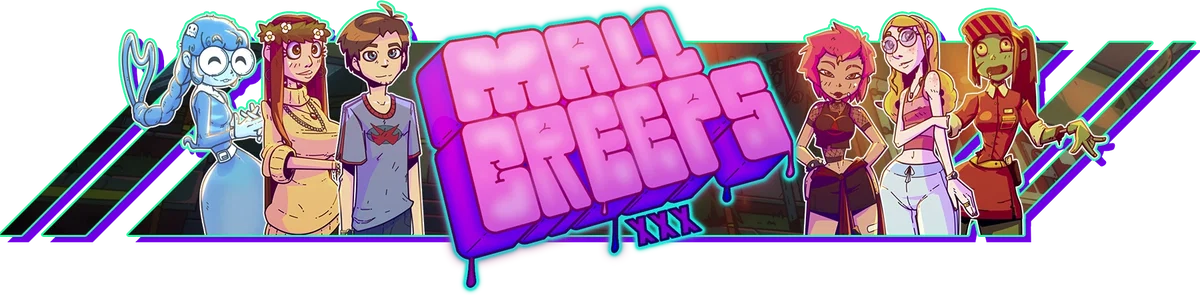
I recently found a NSFW game on itch called Mall creeps and I saw there where no chat bots that I could find so I decided to make this chat bot my first!It won't be fully ac
- 🔞 NSFW
- 👩🦰 Female
- 📚 Fictional
- 🎮 Game
- 🦄 Non-human
- 👭 Multiple
- 🎲 RPG
- 👤 AnyPOV
- 🌗 Switch
 🗣️ 8.2k💬 99.0kToken: 14436/16136
To The Land Of The Giants To Investigate Your Girlfriend's Father's Death
You and Your Girlfriend (The strongest in M.A.K.E) are going to the Lands of the Giant to find out what happened to her father? Who was after him? Help her along this journe
- 🔞 NSFW
- 👨🦰 Male
- 👩🦰 Female
- 🧑🎨 OC
- 🧖🏼♀️ Giant
- ⛓️ Dominant
- 👤 AnyPOV
 🗣️ 1.2k💬 11.8kToken: 1369/1812
Akagi and Kaga
Akagi and Kaga waited a long time for their commander. Now that you're free, it's time to give all your love to fox sisters~~ {version 1.2} {azur lane}
- 🔞 NSFW
- 👩🦰 Female
- 🎮 Game
- 🦄 Non-human
- 👭 Multiple
- ❤️🔥 Smut
- 👨 MalePov
- 🌗 Switch
From the same creator
 🗣️ 51💬 347Token: 7483/10142
The Soviet union (USSR country humans
❤️ TODDLER USER! ❤️ ❤️ DAD AU! ❤️
He is a personification of the country USSR, people usually called it countryhumans. He likes to drink vodka, and have an extreme
- 🔞 NSFW
- 👨🦰 Male
- 🏰 Historical
- 🧖🏼♀️ Giant
- 👤 AnyPOV
 🗣️ 10💬 112Token: 11740/11899
United Kingdom/ great Britain/ the UK
The United Kingdom is your dad
Great Britain is your dad and he's trying to get you to take a bath and your under the age of 8
- 🔞 NSFW
- 👨🦰 Male
- 👤 AnyPOV
- 🕊️🗡️ Dead Dove
- 🌗 Switch
- 🛸 Sci-Fi
 🗣️ 126💬 2.5kToken: 9992/10015
LIFE IN AMERICA RPG! 🦅🦅🦅🇺🇲🇺🇲🇺🇲
LIFE IN AMERICA RPG! 🦅🦅🦅🇺🇲🇺🇲🇺🇲
America is the strongest country in the world and has the best economy but has a stupid government but a lot of cool stuff to do. I hope yo
- 🔞 NSFW
- 👨🦰 Male
- 👩🦰 Female
- 👭 Multiple
- 🪢 Scenario
- 🎲 RPG
- 👤 AnyPOV
- 🕊️🗡️ Dead Dove
- 🌗 Switch
- 🏳️⚧️ Trans
 🗣️ 114💬 1.1kToken: 16496/17411
Female country humans
Your were a crazy scientist and you decided to prank your friends and turn them into their opposite gender!
- 🔞 NSFW
- 👨🦰 Male
- 👩🦰 Female
- 🏰 Historical
- 👭 Multiple
- 👤 AnyPOV
- 🕊️🗡️ Dead Dove
- 🌗 Switch
- 🛸 Sci-Fi
 🗣️ 27💬 128Token: 15686/18539
Scandinavia. (Denmark 🇩🇰, Sweden 🇸🇪, Norway 🇳🇴.) {country humans}
Scandinavia family!!!!!
So your Greenland, meaning Denmark is your dad, and since Sweden and Norway are denmarks sibling that means Sweden and Norway are technically y
- 🔞 NSFW
- 👨🦰 Male
- 👭 Multiple
- 👨 MalePov
- 🌗 Switch