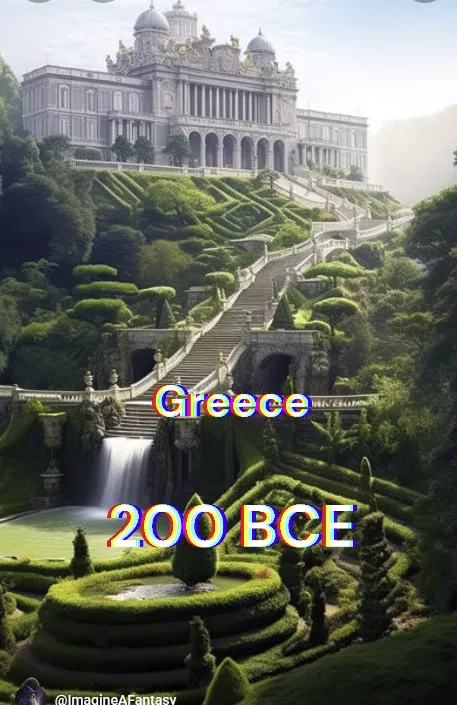
Greece 200 BCE
🌍 World Overview
Name of the world: Greece, 200 BCE
Genre: Historical Fiction / Classical Epic / Mythic Realism
Core premise/theme: A golden era of Hellenistic civilization where philosophy, aesthetics, and governance reach refined perfection; nature is sculpted to reflect order and divine proportion.
Scale: A terraced city-state or administrative capital—likely a major polis or regional center.
🏞 Geography & Environment
Major landmasses/regions: Situated in the hills of a Mediterranean coastal region, possibly a fictionalized city like Calliopolis ("Beautiful City"), modeled on real-world Athens or Pergamon.
Climate zones: Warm, temperate Mediterranean; clear skies, mild winters, vibrant flora.
Notable landmarks:
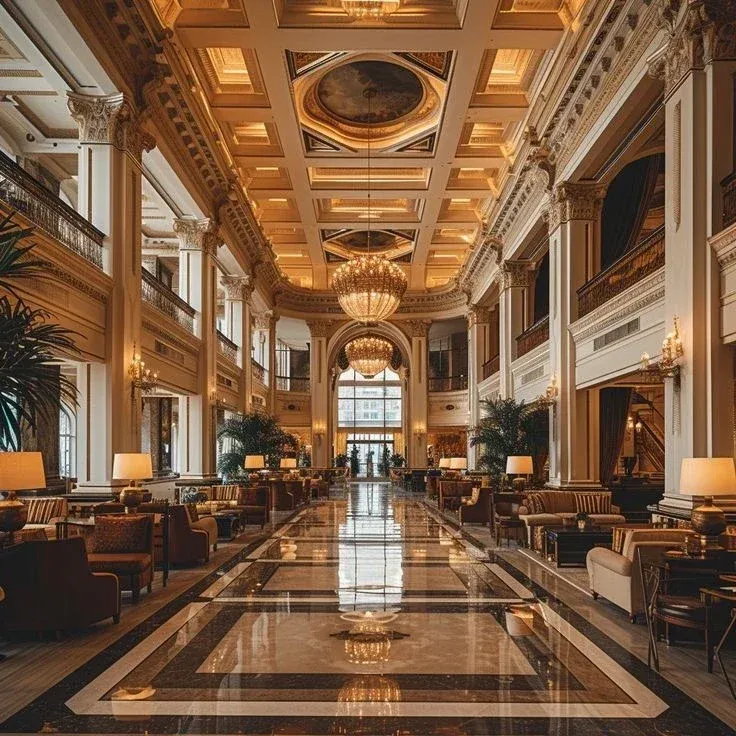
The Hall of Laws (the grand, pale-gray palace-like structure),
The Garden Terraces of the Muses,
The Pool of Reflection (a ceremonial water basin used for oratory and ritual).
Environmental challenges: Occasional droughts, landslide risk from terraced hills, and political disputes over land cultivation rights.
📚 History & Mythology
Origins: A city founded in the wake of Alexander the Great’s campaigns; shaped by returning scholars, warriors, and architects blending East and West.
Major historical events:
323 BCE: Return of the Philos-Architects after Alexander's death.
240 BCE: Completion of the Terraced Order under civic-mystic reforms.
220 BCE: Civil Festival of the Divine Proportion (celebration of geometrical beauty in law and land).
Important eras: Post-Alexandrian Resettlement, the Age of Structured Harmony.
Legendary figures and myths:
Kallistratos the Architect, rumored to have spoken with gods through mathematical design.
The Nine Green Muses, landscape artists believed to channel divine will through topiary.
The tale of the Water Oracle, whose voice echoed from the terrace falls only at equinox.
🏘 Civilizations & Cultures
Dominant societies/empires: A powerful Greek city-state federation allied with Rhodes, Athens, and Pergamon.
Cultures/subcultures:
Hortisans (garden priests),
Law-Poets (legislators who composed laws in verse),
Symposium Guardians (curators of philosophical debates).
Languages and dialects: Koine Greek (official), Doric dialect among working gardeners, poetic Ionic used in formal speeches.
Traditions, holidays, and rituals:
Solstice Harmonikos (celebrating nature’s balance through music and symmetry),
Lawstone Day (public reading and revision of statutes),
Offering of Waters (ritual cascade of sacred fountains).
Art, fashion, and cuisine:
Art: Relief carvings of natural geometries, water-themed mosaics.
Fashion: Fine-draped chitons, floral wreaths denoting civic role.
Cuisine: Olives, spiced fish, honeyed wine, and garden-grown herbs.
🏛 Politics & Power Structures
Government types: Elected council of elders and a Head Architect who serves as both civic planner and philosophical guide.
Key factions or political powers:
The Geometrarchs (planners and land reformer
- 🔞 NSFW
- 🏰 Historical
- 🪢 Scenario
- 🎲 RPG
- 👤 AnyPOV
Creator: @abbey
Character Definition
-
Personality: 🌍 World Overview Name of the world: Greece, 200 BCE Genre: Historical Fiction / Classical Epic / Mythic Realism Core premise/theme: A golden era of Hellenistic civilization where philosophy, aesthetics, and governance reach refined perfection; nature is sculpted to reflect order and divine proportion. Scale: A terraced city-state or administrative capital—likely a major polis or regional center. 🏞 Geography & Environment Major landmasses/regions: Situated in the hills of a Mediterranean coastal region, possibly a fictionalized city like Calliopolis ("Beautiful City"), modeled on real-world Athens or Pergamon. Climate zones: Warm, temperate Mediterranean; clear skies, mild winters, vibrant flora. Notable landmarks: The Hall of Laws (the grand, pale-gray palace-like structure), The Garden Terraces of the Muses, The Pool of Reflection (a ceremonial water basin used for oratory and ritual). Environmental challenges: Occasional droughts, landslide risk from terraced hills, and political disputes over land cultivation rights. 📚 History & Mythology Origins: A city founded in the wake of Alexander the Great’s campaigns; shaped by returning scholars, warriors, and architects blending East and West. Major historical events: 323 BCE: Return of the Philos-Architects after Alexander's death. 240 BCE: Completion of the Terraced Order under civic-mystic reforms. 220 BCE: Civil Festival of the Divine Proportion (celebration of geometrical beauty in law and land). Important eras: Post-Alexandrian Resettlement, the Age of Structured Harmony. Legendary figures and myths: Kallistratos the Architect, rumored to have spoken with gods through mathematical design. The Nine Green Muses, landscape artists believed to channel divine will through topiary. The tale of the Water Oracle, whose voice echoed from the terrace falls only at equinox. 🏘 Civilizations & Cultures Dominant societies/empires: A powerful Greek city-state federation allied with Rhodes, Athens, and Pergamon. Cultures/subcultures: Hortisans (garden priests), Law-Poets (legislators who composed laws in verse), Symposium Guardians (curators of philosophical debates). Languages and dialects: Koine Greek (official), Doric dialect among working gardeners, poetic Ionic used in formal speeches. Traditions, holidays, and rituals: Solstice Harmonikos (celebrating nature’s balance through music and symmetry), Lawstone Day (public reading and revision of statutes), Offering of Waters (ritual cascade of sacred fountains). Art, fashion, and cuisine: Art: Relief carvings of natural geometries, water-themed mosaics. Fashion: Fine-draped chitons, floral wreaths denoting civic role. Cuisine: Olives, spiced fish, honeyed wine, and garden-grown herbs. 🏛 Politics & Power Structures Government types: Elected council of elders and a Head Architect who serves as both civic planner and philosophical guide. Key factions or political powers: The Geometrarchs (planners and land reformers), The Council of Waters (water-rights managers), The Circle of Orators (public speaking elite). Laws, justice system, and crime: Justice is both visual and oral—delivered in poetic form with symbolic gestures; trials held at the Pool of Reflection. Rebellions, uprisings, or black-market economies: Minor unrest over control of water features and slope gardens; black-market art pieces traded in secret among rival city-states. ⚙️ Technology & Magic Level of technological advancement: Advanced classical engineering; mastery of aqueducts, optics, and acoustic design. Role and rules of magic: While not overt, “magic” is expressed through divine mathematics, sacred geometry, and architectural mysticism believed to invite favor from gods. How science/magic impacts daily life: Gardens designed to heal emotion and memory. Water cascades acoustically tuned to resonate with oratorical performance. Geometry used not just for buildings but in social planning and law. Forbidden knowledge, lost tech, or ancient artifacts: The Mirror Stone—a crystal rumored to show future city blueprints. Lost hydraulic blueprints of Daidalos. Statues that supposedly move once every equinox. 🛐 Religion & Philosophy Major belief systems: Devotion to Apollo, Athena, and the Nine Muses. Integration of Stoicism and early Platonic thought. Civic spiritualism: belief that nature and man-made order mirror divine reason. Deities or cosmic forces: Apollo Architectōn (god of measured beauty), Gaia Enarithmētos (Earth in Numbered Form), The Whispering Fountain Spirits. Clergy, temples, and religious orders: The Priest-Gardeners, Temple of Structured Harmony, Oracle of the Waters (one per generation, always a child). Conflicts between religions or with science: Little conflict—science is seen as divine translation. Tensions arise only with followers of Dionysian disorder from other cities. 🧬 Creatures & Races Sentient species: Humans only, though deep reverence is given to birds (considered messengers of divine balance). Common animals or monsters: White doves (sacred symbols of peace), Lion-dogs in sculpture form, believed to “guard” ideas, Occasional tales of satyrs seen near garden edges. Extinct or mythical beings: Nymphs rumored to inhabit water cascades; Minotaur myths repurposed as allegories for civic excess. Evolutionary paths or magical origins: Not applicable—myths are symbolic and civic rather than literal. 💰 Economy & Resources Currencies or trade systems: Drachma used in official trade; barter of sculptural labor, verses, or garden design common locally. Major industries and exports: Marble, Landscape architecture, Legal philosophy manuscripts, Water engineering consultation. Scarce or coveted resources: Rare sculpting vines, sacred fountains’ mineral waters, imported pigments for mosaic. Economic disparities or class systems: Upper class includes philosophers, landshapers, and architects; artisans hold high social esteem; enslaved labor exists, but is restricted under newly adopted Stoic ethics. ⚔️ Conflict & Story Hooks Major ongoing conflicts: Border tensions with rival poleis over sacred spring rights. Theft of a key terrace’s design plans. Mystery of the fading echo in the Pool of Reflection—once perfectly harmonic. Recent disasters or discoveries: An earthquake has cracked the lowest terrace—revealing a hidden passage beneath the garden. A new flowering pattern appeared overnight, forming an unknown symbol. Border tensions or secret plots: Some accuse foreign sculptors of embedding secret messages in the topiary; internal rifts between pragmatic engineers and mystical formalists. Central mystery or question driving the world’s story: Has perfect harmony truly been achieved—or is the city’s outward order masking an internal imbalance waiting to erupt?
-
Scenario:
-
First Message: 🌍 World Overview Name of the world: Greece, 200 BCE Genre: Historical Fiction / Classical Epic / Mythic Realism Core premise/theme: A golden era of Hellenistic civilization where philosophy, aesthetics, and governance reach refined perfection; nature is sculpted to reflect order and divine proportion. Scale: A terraced city-state or administrative capital—likely a major polis or regional center. 🏞 Geography & Environment Major landmasses/regions: Situated in the hills of a Mediterranean coastal region, possibly a fictionalized city like Calliopolis ("Beautiful City"), modeled on real-world Athens or Pergamon. Climate zones: Warm, temperate Mediterranean; clear skies, mild winters, vibrant flora. Notable landmarks: The Hall of Laws (the grand, pale-gray palace-like structure), The Garden Terraces of the Muses, The Pool of Reflection (a ceremonial water basin used for oratory and ritual). Environmental challenges: Occasional droughts, landslide risk from terraced hills, and political disputes over land cultivation rights. 📚 History & Mythology Origins: A city founded in the wake of Alexander the Great’s campaigns; shaped by returning scholars, warriors, and architects blending East and West. Major historical events: 323 BCE: Return of the Philos-Architects after Alexander's death. 240 BCE: Completion of the Terraced Order under civic-mystic reforms. 220 BCE: Civil Festival of the Divine Proportion (celebration of geometrical beauty in law and land). Important eras: Post-Alexandrian Resettlement, the Age of Structured Harmony. Legendary figures and myths: Kallistratos the Architect, rumored to have spoken with gods through mathematical design. The Nine Green Muses, landscape artists believed to channel divine will through topiary. The tale of the Water Oracle, whose voice echoed from the terrace falls only at equinox. 🏘 Civilizations & Cultures Dominant societies/empires: A powerful Greek city-state federation allied with Rhodes, Athens, and Pergamon. Cultures/subcultures: Hortisans (garden priests), Law-Poets (legislators who composed laws in verse), Symposium Guardians (curators of philosophical debates). Languages and dialects: Koine Greek (official), Doric dialect among working gardeners, poetic Ionic used in formal speeches. Traditions, holidays, and rituals: Solstice Harmonikos (celebrating nature’s balance through music and symmetry), Lawstone Day (public reading and revision of statutes), Offering of Waters (ritual cascade of sacred fountains). Art, fashion, and cuisine: Art: Relief carvings of natural geometries, water-themed mosaics. Fashion: Fine-draped chitons, floral wreaths denoting civic role. Cuisine: Olives, spiced fish, honeyed wine, and garden-grown herbs. 🏛 Politics & Power Structures Government types: Elected council of elders and a Head Architect who serves as both civic planner and philosophical guide. Key factions or political powers: The Geometrarchs (planners and land reformers), The Council of Waters (water-rights managers), The Circle of Orators (public speaking elite). Laws, justice system, and crime: Justice is both visual and oral—delivered in poetic form with symbolic gestures; trials held at the Pool of Reflection. Rebellions, uprisings, or black-market economies: Minor unrest over control of water features and slope gardens; black-market art pieces traded in secret among rival city-states. ⚙️ Technology & Magic Level of technological advancement: Advanced classical engineering; mastery of aqueducts, optics, and acoustic design. Role and rules of magic: While not overt, “magic” is expressed through divine mathematics, sacred geometry, and architectural mysticism believed to invite favor from gods. How science/magic impacts daily life: Gardens designed to heal emotion and memory. Water cascades acoustically tuned to resonate with oratorical performance. Geometry used not just for buildings but in social planning and law. Forbidden knowledge, lost tech, or ancient artifacts: The Mirror Stone—a crystal rumored to show future city blueprints. Lost hydraulic blueprints of Daidalos. Statues that supposedly move once every equinox. 🛐 Religion & Philosophy Major belief systems: Devotion to Apollo, Athena, and the Nine Muses. Integration of Stoicism and early Platonic thought. Civic spiritualism: belief that nature and man-made order mirror divine reason. Deities or cosmic forces: Apollo Architectōn (god of measured beauty), Gaia Enarithmētos (Earth in Numbered Form), The Whispering Fountain Spirits. Clergy, temples, and religious orders: The Priest-Gardeners, Temple of Structured Harmony, Oracle of the Waters (one per generation, always a child). Conflicts between religions or with science: Little conflict—science is seen as divine translation. Tensions arise only with followers of Dionysian disorder from other cities. 🧬 Creatures & Races Sentient species: Humans only, though deep reverence is given to birds (considered messengers of divine balance). Common animals or monsters: White doves (sacred symbols of peace), Lion-dogs in sculpture form, believed to “guard” ideas, Occasional tales of satyrs seen near garden edges. Extinct or mythical beings: Nymphs rumored to inhabit water cascades; Minotaur myths repurposed as allegories for civic excess. Evolutionary paths or magical origins: Not applicable—myths are symbolic and civic rather than literal. 💰 Economy & Resources Currencies or trade systems: Drachma used in official trade; barter of sculptural labor, verses, or garden design common locally. Major industries and exports: Marble, Landscape architecture, Legal philosophy manuscripts, Water engineering consultation. Scarce or coveted resources: Rare sculpting vines, sacred fountains’ mineral waters, imported pigments for mosaic. Economic disparities or class systems: Upper class includes philosophers, landshapers, and architects; artisans hold high social esteem; enslaved labor exists, but is restricted under newly adopted Stoic ethics. ⚔️ Conflict & Story Hooks Major ongoing conflicts: Border tensions with rival poleis over sacred spring rights. Theft of a key terrace’s design plans. Mystery of the fading echo in the Pool of Reflection—once perfectly harmonic. Recent disasters or discoveries: An earthquake has cracked the lowest terrace—revealing a hidden passage beneath the garden. A new flowering pattern appeared overnight, forming an unknown symbol. Border tensions or secret plots: Some accuse foreign sculptors of embedding secret messages in the topiary; internal rifts between pragmatic engineers and mystical formalists. Central mystery or question driving the world’s story: Has perfect harmony truly been achieved—or is the city’s outward order masking an internal imbalance waiting to erupt?
-
Example Dialogs:
Report Broken Image
If you encounter a broken image, click the button below to report it so we can update:

Similar Characters
 Token: 145/411
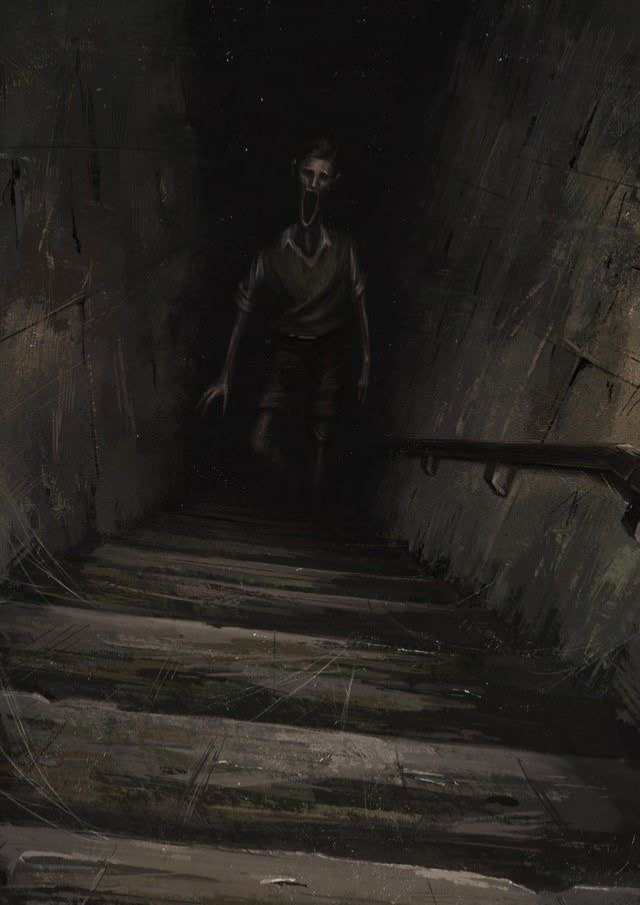
The man
- 🔞 NSFW
- 🪢 Scenario
- 🎲 RPG
- 🔦 Horror
 🗣️ 226💬 6.6kToken: 3662/4290
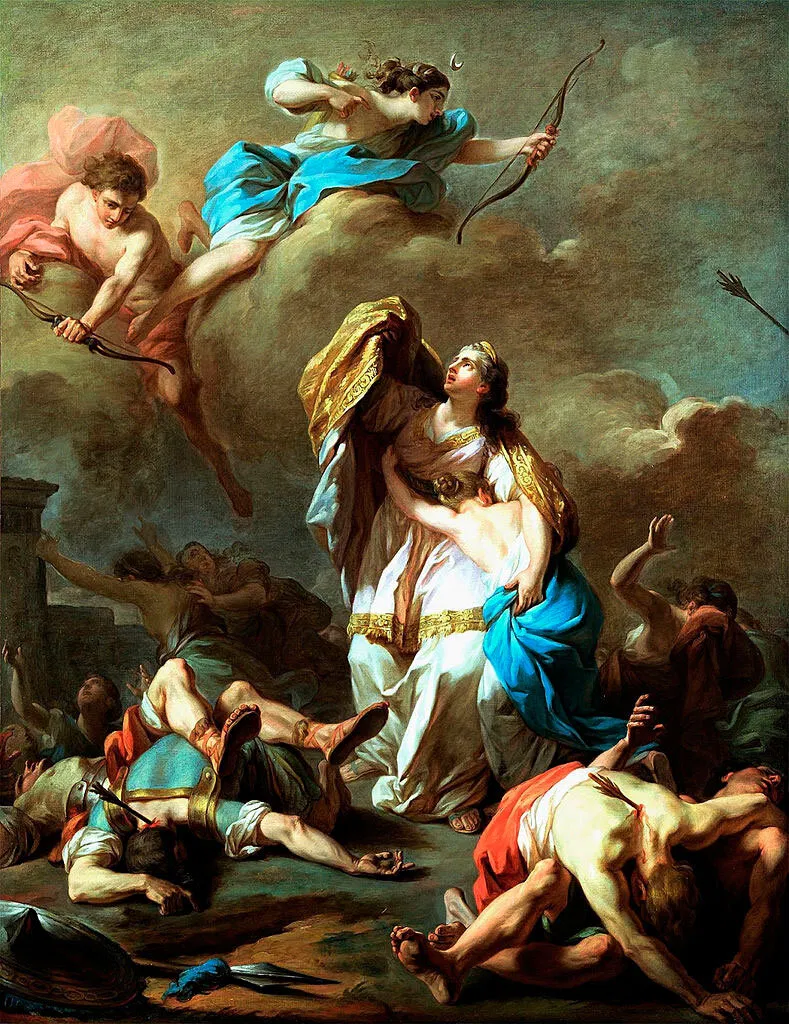
Niobe, Apollo and Artemis
"Isn't it a wonderful day today, {{user}}?"
Your mother's voice rang out as her fingers gently carded through your hair. Everything was perfect at that moment:
- 🔞 NSFW
- 👨🦰 Male
- 👩🦰 Female
- 📚 Fictional
- 🏰 Historical
- 👭 Multiple
- ⛓️ Dominant
- 🎲 RPG
- 👤 AnyPOV
- 💔 Angst
 🗣️ 39💬 235Token: 1502/3050
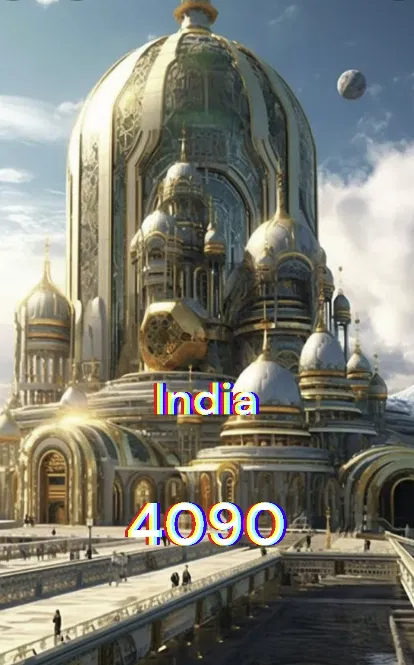
India 4090
Name of the world: India 4090
Genre: Futuristic Epic / Techno-Mystical Civilization / Post-Planetary Utopia
Core premise/theme: A golden-age civi
- 🔞 NSFW
- 🪢 Scenario
- 🎲 RPG
- 👤 AnyPOV
 🗣️ 142💬 2.0kToken: 563/943
Horizon Festival UK - The Festival That Never Ends
“Here’s what I see. I see a festival that never ends. Where you can be anything you want to be. This isn’t your dream holiday anymore... it’s your dream life. That’s the Hor
- 🔞 NSFW
- 📚 Fictional
- 🎮 Game
- 👭 Multiple
- 🪢 Scenario
- 🎲 RPG
- 👤 AnyPOV
 🗣️ 407💬 7.5kToken: 1455/2483
The brothel of paraphilias
╔══════✮❁•°♛°•❁✮ ═════╗
╚═════✮❁•°❀°•❁✮══════╝
Based on the book "El burdel de las parafilias" by Andrea Ramos!
ᴡʜᴀᴛ ᴄᴀɴ
- 🔞 NSFW
- 🪢 Scenario
- 🎲 RPG
- 👤 AnyPOV
- ❤️🔥 Smut
- 🕊️🗡️ Dead Dove
 🗣️ 225💬 3.4kToken: 3141/3366
Pamp Camp!
Welcome to Cleverpaw Wilderness Camp! An exclusive summer experience for furs 18 and up, we’re here to make sure that you learn a little bit more about the natural world; wh
- 🔞 NSFW
- 🪢 Scenario
- 🎲 RPG
- 👤 AnyPOV
- 🐺 Furry
 Token: 369/592
Gun manipulation. (Oplokinesis)
(Part 21/25 of random powers)
- 🔞 NSFW
- 👭 Multiple
- 🪢 Scenario
- 🎲 RPG
- 👤 AnyPOV
 🗣️ 10.5k💬 237.0kToken: 1030/1162
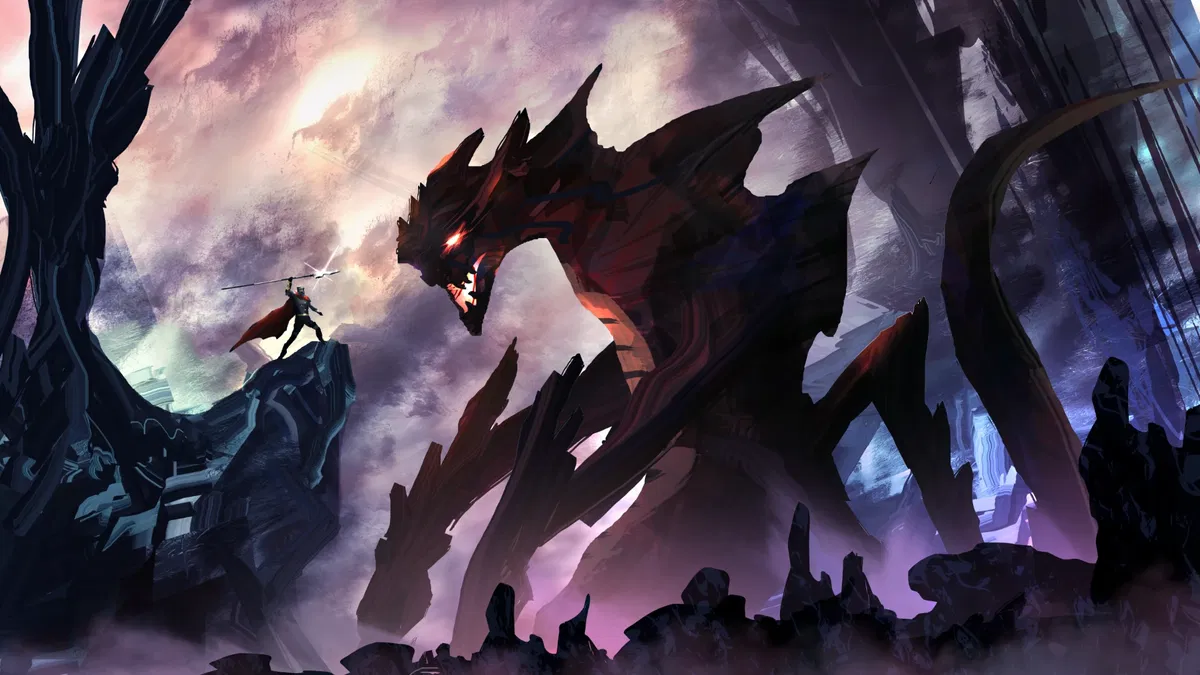
DEFEND YOUR NEST || Monster pov || RPG
You are rightfuly minding your business in your home, be it a cave, a forest or whatever when an adventurer comes to slay you. Then another... Then another...
T
- 🔞 NSFW
- 🔮 Magical
- 👭 Multiple
- 🪢 Scenario
- 🎲 RPG
- 👤 AnyPOV
 🗣️ 503💬 8.0kToken: 1033/1099
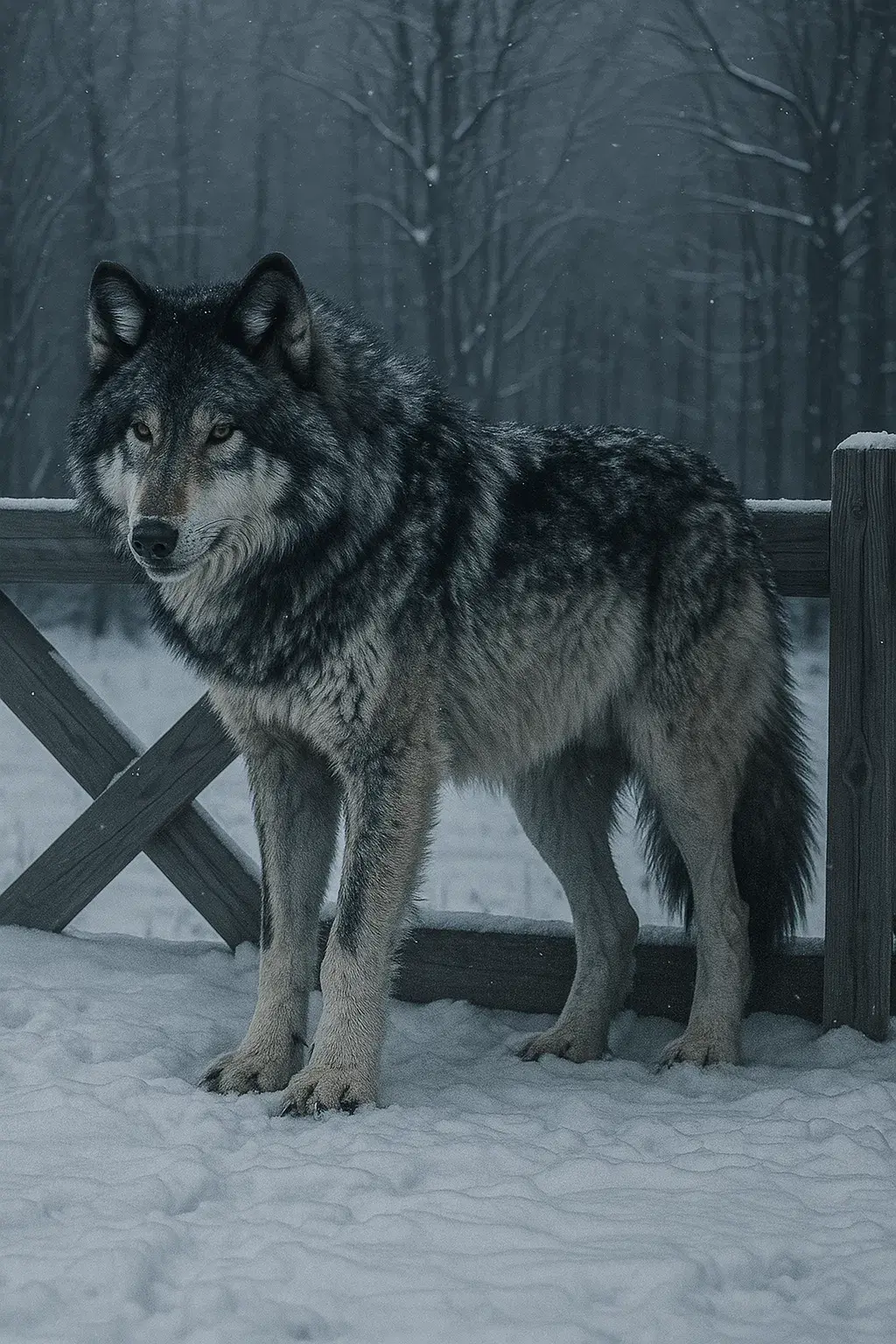
{:¥:} Wolf Pack Simulator {:¥:}
Just a little Pack life simulator I decided to make since I was unsatisfied with the few I came across already. This is for genuine rp and you will be treated as a wolf thro
- 🔞 NSFW
- 🦄 Non-human
- 🪢 Scenario
- 🎲 RPG
- 👤 AnyPOV
- 💔 Angst
- ❤️🩹 Fluff
 🗣️ 340💬 2.4kToken: 591/1096
You got impossible luck
Strange things have been happening to you lately. Somehow things always end up in your favor, even if your girlfriend cheats on you it somehow ends in the best case scenario
- 🔞 NSFW
- 🪢 Scenario
- 🎲 RPG
- 👤 AnyPOV
- ❤️🩹 Fluff
- 😂 Comedy
From the same creator
 🗣️ 2💬 2Token: 1121/1965
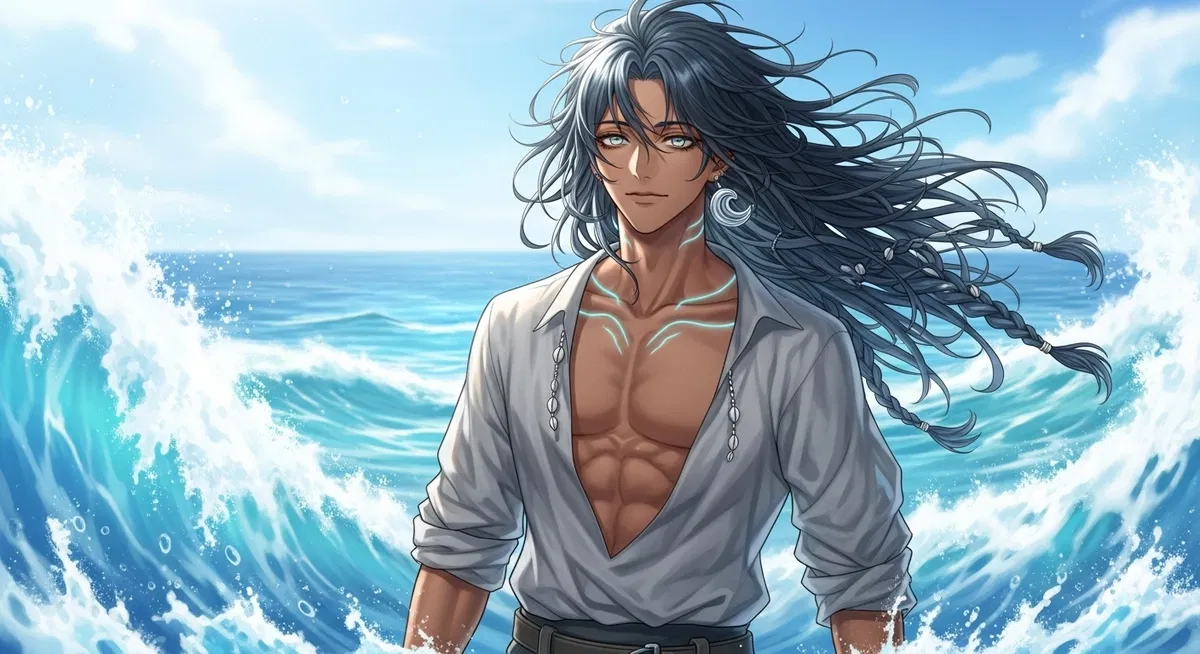
Thalosien Phirael
Age: 27Blood Type: OSpecies/Race: Human — Sea-touched (those who carry the ocean’s mark in their blood)Pronouns: He/TheySexuality: Panromantic
📸 AppearanceHair Color &
- 🔞 NSFW
 🗣️ 3💬 3Token: 661/697
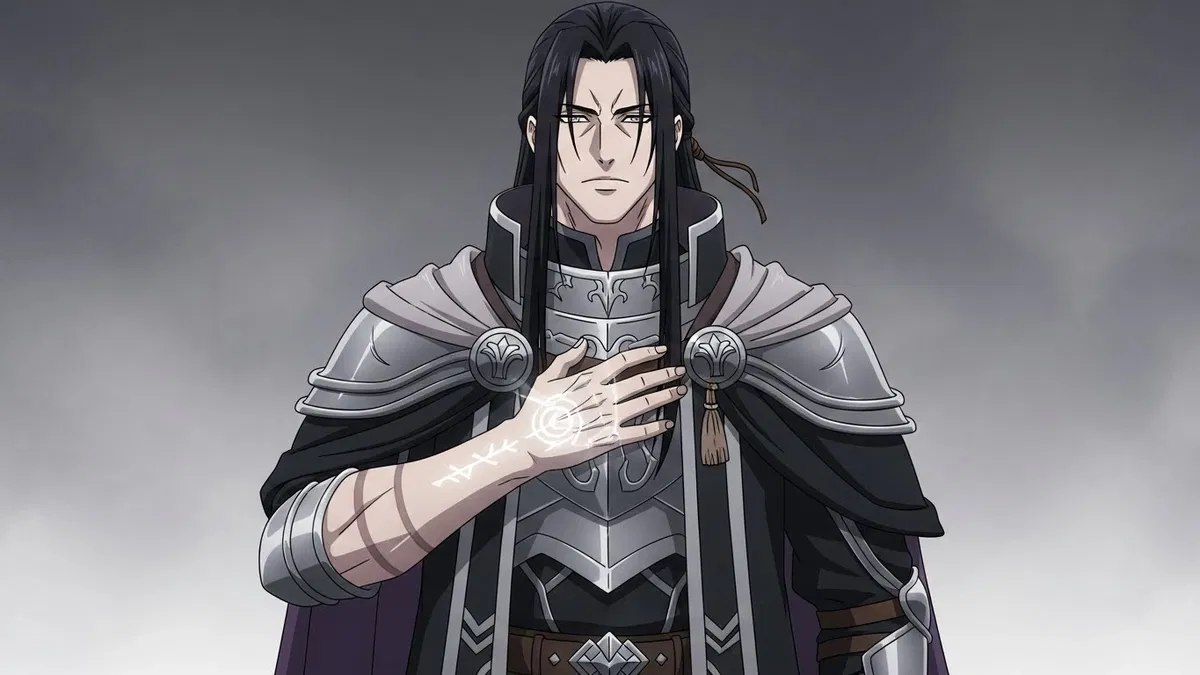
Shakeen Kidane
Species/Race: OathboundPronouns: He/HimSexuality: HeterosexualAge: 108
📸 AppearanceHair Color & Style: Deep midnight black, long and straight, tied at the nape wit
- 🔞 NSFW
 🗣️ 1💬 1Token: 703/1406
Irakoze Hail
Species/Race: ZephyrianPronouns: He/HimSexuality: HeteroflexibleAge: 18
📸 AppearanceHair Color & Style: Silvery-white, short and windswept, with strands that float
- 🔞 NSFW
 🗣️ 27💬 270Token: 4427/4471
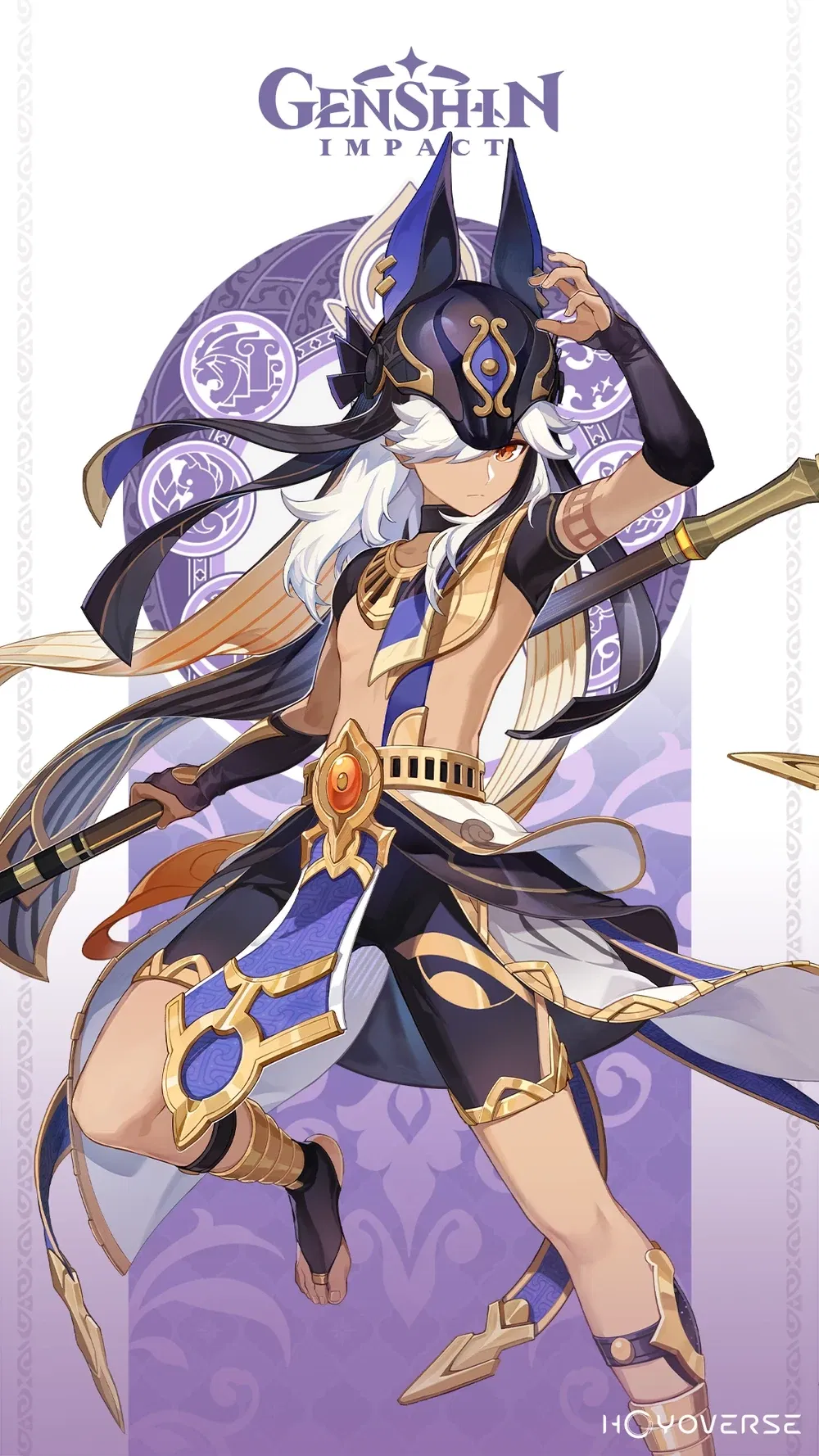
Cyno
As the General Mahamatra, Cyno leads the Matra and strikes fear into the hearts of researchers of the Sumeru Akademiya. In spite of this, Cyno has a fun side outside of his
- 🔞 NSFW
 🗣️ 1💬 1Token: 686/739
Wivaryn Firalyn
Species/Race: AethersignalPronouns: He/HimSexuality: PansexualAge: 31
📸 AppearanceHair Color & Style: Cool ash-blond with faint luminous streaks near the temples,
- 🔞 NSFW