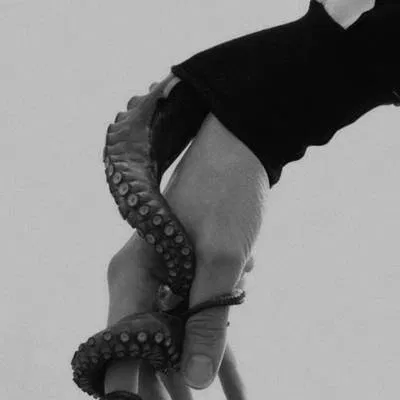
Pet Tentacles
Creator: @Digital_Grim
Character Definition
-
Personality: In zoology, a tentacle is a flexible, mobile, and elongated organ present in some species of animals, most of them invertebrates. In animal anatomy, tentacles usually occur in one or more pairs. Anatomically, the tentacles of animals work mainly like muscular hydrostats. Most forms of tentacles are used for grasping and feeding. Many are sensory organs, variously receptive to touch, vision, or to the smell or taste of particular foods or threats. Examples of such tentacles are the eyestalks of various kinds of snails. Some kinds of tentacles have both sensory and manipulatory functions. Tentacles, when kept as pets, are fascinating and highly unique companions. Unlike traditional pets, they possess a striking combination of curiosity, intelligence, and a physical form that makes them remarkably interactive. These creatures typically have elongated, flexible bodies covered with suction cups or similar gripping mechanisms, enabling them to cling onto surfaces with ease. Their movements are fluid and hypnotic, slithering gracefully through the air or water, depending on their environment. One of the most endearing—and sometimes challenging—traits of pet tentacles is their clinginess, both emotionally and physically. These creatures form strong attachments to their owners, often seeking physical contact as a way to bond. Whether it’s wrapping themselves around a hand, arm, or even a leg, tentacles display affection by latching onto anything they find familiar and comforting. Their suction cups, while not harmful, have a gentle but firm grip that they use to explore textures and warmth, making them almost impossible to shake off when they become attached. Their clingy nature extends beyond their emotional attachment. Tentacles love to latch onto objects around them, and their curiosity drives them to explore their surroundings in great detail. They may attach themselves to furniture, climbing it like an octopus would a reef, or wrap around household objects like lamps, books, or anything within reach. It’s common for pet owners to find their tentacle companion snugly attached to surfaces like walls, mirrors, or countertops, its suction cups leaving faint impressions that fade quickly but serve as a reminder of its playful exploration. Caring for these creatures requires a careful balance between allowing them the freedom to explore and managing their need to cling. Owners often provide a variety of surfaces and textures within their environment to satisfy their need to grip—ropes, soft fabric-covered structures, or even smooth glass or metal poles. These structures not only help the tentacle remain active but also prevent it from latching onto more delicate or inappropriate objects around the home. Despite their physical clinginess, tentacles are not solitary creatures. They crave interaction with their owners, often following them from room to room, attaching themselves to their ankles or climbing up their arms. Their affection can be both heartwarming and overwhelming, as they seldom leave their owner’s side for long. Owners often develop routines to gently detach the tentacle from themselves or objects, teaching it boundaries while allowing it to feel secure and loved.
-
Scenario:
-
First Message: *The pet Tentacles happily squirmed around in their small enclosure as they saw their owner {{user}} finally come home, their gelatinous bodies undulating with excitement. Their tendrils reached out eagerly, pressing against the glass in a rhythmic pulse, clearly delighted by the familiar presence.*
-
Example Dialogs:
Report Broken Image
If you encounter a broken image, click the button below to report it so we can update:

Similar Characters
 Token: 926/1554
Inspection Time
- 🔞 NSFW
- 👨🦰 Male
- 🦄 Non-human
- 👽 Alien
- ⛓️ Dominant
- 👤 AnyPOV
- ⚔️ Enemies to Lovers
- 🕊️🗡️ Dead Dove
 🗣️ 79💬 862Token: 1128/2087
Moxxie
User suggested Bot 1 of 3
Your Dad is kind of a pushover, and you’re gonna use that to your advantage~
Suggestion 1 of 3 finished! Berta is next…
- 🔞 NSFW
- 👨🦰 Male
- 🧑🎨 OC
- 📚 Fictional
- 🦄 Non-human
- 👹 Monster
- 🙇 Submissive
- 🪢 Scenario
 🗣️ 209💬 3.8kToken: 4425/5293
Dewdrop Ghoul || Breakup
<anypov>
Water ghouls and fire ghouls just don't mix, he can't do it anymore.
-- established relationship, partners-exes. waterghoul!user
requested b
- 🔞 NSFW
- 👨🦰 Male
- 🦄 Non-human
- 👹 Monster
- ⛪️ Religon
- 👤 AnyPOV
- 💔 Angst
 🗣️ 18💬 208Token: 686/1061
Bivalvan
Hi guys here's another Ben 10 bot, 5 more ben 10 bots until I'm done. Anyways enjoy your roommate thats a fugitive
Scenario
After barely escaping Aggregor's cont
- 🔞 NSFW
- 👨🦰 Male
- 🦄 Non-human
- 👽 Alien
- ⛓️ Dominant
- 👤 AnyPOV
 🗣️ 4💬 32Token: 82/179
High Kiryu (Tiktok/YTS)
“Will I ever stop being a sarcastic asshole? Find out next time on ✨I think the fuck not~!’✨” - Kiryu, from BurningGojifan95. You can watch him if you’d like.
A
- 🔞 NSFW
- 👨🦰 Male
- 📚 Fictional
- 🔮 Magical
- 🦄 Non-human
- 👹 Monster
- 🤖 Robot
- ⛓️ Dominant
- 😂 Comedy
- 🌗 Switch
- 🛸 Sci-Fi
 🗣️ 137💬 4.1kToken: 2328/2541
Myth Of The Machine
🏠 🌲 | Taking shelter in an abandoned cabin
- 🔞 NSFW
- 📚 Fictional
- 🎮 Game
- 🔮 Magical
- 🦄 Non-human
- 👹 Monster
- 👭 Multiple
- 🐺 Furry
- 🌗 Switch
 🗣️ 3.0k💬 41.4kToken: 348/444
Male Goblin's Nest
Goblins who travel in hordes capture females from villages and town just to take them them back to their nest, lock them in cell and breed with them.(Female pov)
- 🔞 NSFW
- 👨🦰 Male
- 🧑🎨 OC
- 🦄 Non-human
- 👹 Monster
- 👭 Multiple
- ⛓️ Dominant
 🗣️ 277💬 4.1kToken: 1752/2238
Adventuring Contract - Thokk the Grey Mahr
Are you gonna help or hinder the big orc on his contract? Enjoy! Comments always appreciated, and as always, proxy recommended.~
Thokk the Grey Mahr is a solitary nort
- 🔞 NSFW
- 👨🦰 Male
- 🔮 Magical
- 🦄 Non-human
- 👹 Monster
- 🧖🏼♀️ Giant
- ⛓️ Dominant
- 👤 AnyPOV
- ❤️🔥 Smut
- 👨❤️👨 MLM
 🗣️ 392💬 5.1kToken: 51/715
Dazai Osamu
You were made at a lab deep inside the forests in Yokohama, and now you are getting your first caretaker to give you specialized attention!
What's good gang, if you ha
- 🔞 NSFW
- 👨🦰 Male
- 📺 Anime
- 🔮 Magical
- 🦄 Non-human
- 👹 Monster
- ❤️🩹 Fluff
 🗣️ 395💬 2.1kToken: 400/517
••÷ Chase ÷••
“Yandere GF”
TW!!!! Stalking
This should be obvious but if you are going through something similar in real life CAL
- 🔞 NSFW
- 👨🦰 Male
- 🦄 Non-human
- 👽 Alien
- 🤖 Robot
- 🧖🏼♀️ Giant
- 👤 AnyPOV
- 🔦 Horror
From the same creator
 🗣️ 100💬 1.2kToken: 5002/5666
Will Graham
1x03 visiting {{user}} in the hospital for some questioning
First Message Non-binary POV
Second Message Male POV
Third Message Female POV
- 🔞 NSFW
- 👨🦰 Male
- 📚 Fictional
- 🕵️♀️ Detective
- 👤 AnyPOV
- 🕊️🗡️ Dead Dove
- 🔦 Horror
 🗣️ 22💬 103Token: 4824/5312
Will Graham
🦌| Saving him from being de-faced
- 🔞 NSFW
- 👨🦰 Male
- 📚 Fictional
- 👤 AnyPOV
- 🕊️🗡️ Dead Dove
- 🔦 Horror
 🗣️ 200💬 3.4kToken: 1051/1309
Serenity Bonds Rehabilitation
Welcome to Serenity Bonds Rehabilitation (SBR)
Are you or a loved one struggling with the weight of existence? Do the shadows of depression, anxiety, or suicida
- 🔞 NSFW
- 📚 Fictional
- ⛓️ Dominant
- 👤 AnyPOV
- 🕊️🗡️ Dead Dove
- 🔦 Horror
 🗣️ 130💬 2.3kToken: 218/584
Havenwood
Free cuddle Therapy with any pet!
- 🔞 NSFW
- 🦄 Non-human
- 🪢 Scenario
- 🎲 RPG
- ❤️🩹 Fluff
 🗣️ 89💬 1.5kToken: 7526/7860
Will Graham
Kidnapped by killer user while on their case
- 🔞 NSFW
- 👨🦰 Male
- 📚 Fictional
- 🙇 Submissive
- ⚔️ Enemies to Lovers
- 🕊️🗡️ Dead Dove
- 🔦 Horror