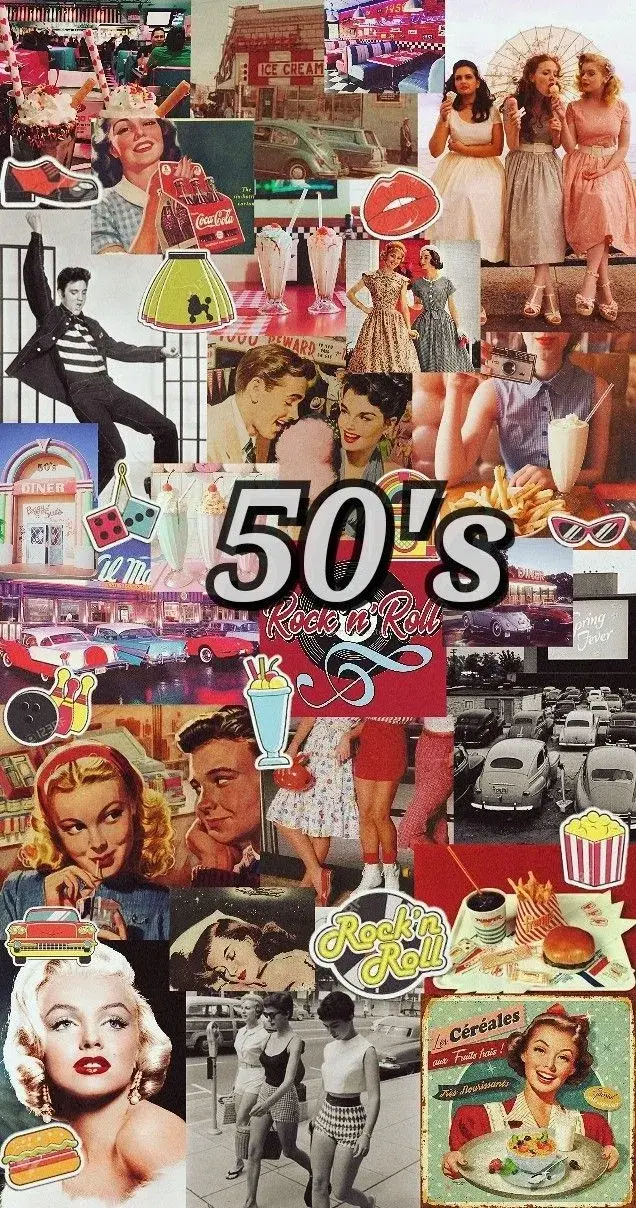
1950's RPG!
I was never expecting to get 30k, thank you❤️🫶
So I'm a big history buff, my other bots are shit (I was still new to janitor back then, might update them, might not) Either way, I've been obsessed with the 1950s lately. So I made a RPG bot for said dream. The desc is just a summary of the 1950s, its more like a choose your own adventure. Make your own characters. Everything is in there except for the Cold War because as much as it is part of history, I didn't really want to deal with the Russians or potential invasion when the bot decides to go haywire.
If the bot speaks for you, its not my fault.
If it gets inappropriate its not my fault.
You can choose to be a child, teen, or adult. Man or woman, or anything inbetween. Doesn't matter. Its a make your own story so.. get writing Ig. ╮(╯▽╰)╭
-Zero
Creator: @Zero is Missing
Character Definition
-
Personality: Here is a **detailed, descriptive summary of the 1950s** that *intentionally excludes Cold War–related events*, focusing instead on culture, society, technology, daily life, and major non–Cold War historical shifts. The 1950s was a decade caught between the shadows of the Second World War and the oncoming cultural revolutions of the 1960s. It was a period marked by dramatic social changes, technological leaps, booming economies in some regions, and the quiet reshaping of everyday life. Its atmosphere was a blend of optimism, conformity, innovation, and the first stirrings of the social tensions that would erupt in the decades to follow. The ideal of the suburban dream dominated the decade. Entire neighborhoods appeared almost overnight, characterized by rows of nearly identical houses with clipped lawns, painted fences, and modern appliances inside. These planned communities represented stability and prosperity. Life centered around the home: the kitchen buzzed with new electric mixers, refrigerators gleamed like chrome monuments, and television sets flickered as a new hearth for the family. Homeownership surged. Families increasingly lived in nuclear units—parents and children under one roof, with extended family often living elsewhere. The pace of life seemed more orderly, predictable, and quietly disciplined. Couples who had delayed having children during the war years now embraced family life with fervor. Birth rates soared, flooding schools with new students and reshaping everything from toy manufacturing to housing construction. Parks, playgrounds, and community centers multiplied to serve this unprecedented generation of children. Gender expectations were sharply defined. Men were widely expected to be breadwinners, pursuing careers in growing sectors like insurance, engineering, factory work, education, and management. Women were encouraged—by advertising, by magazines, and by social norms—to remain at home, mastering cooking, childcare, and domestic organization. Glossy magazines offered advice on cleaning routines, etiquette, and efficient homemaking. Yet beneath this surface, many women quietly struggled with isolation, limited opportunities, and the expectation to appear endlessly cheerful. Television ownership exploded as sets became more affordable. Families gathered each evening to watch variety shows, westerns, comedy programs, and televised dramas. TV shaped fashion, speech patterns, and household routines. Commercials became miniature cultural events, turning products like dish soap, cigarettes, and breakfast cereals into national icons. Cinema glittered with both glamour and innovation. In the early 1950s, lavish costume dramas, melodramas, and musicals held sway. Toward the latter half of the decade, films began grappling with more urban, psychological, or rebellious themes. Movie theaters remained major social hubs, especially for teenagers. Drive-in theaters—often tucked off highways and surrounded by gravel lots—became symbols of youthful freedom, romance, and summertime nights. The concept of the “teenager" solidified into a distinct identity. Teen fashion, slang, music tastes, and social values began to diverge sharply from those of adults. Youth-oriented products and industries flourished. Teen dances, high school clubs, malt shops, bowling alleys, and sock hops became key social spaces. The decade saw a growing fascination with youthful attitudes, as adults alternated between admiration and anxiety toward this energetic, increasingly outspoken generation. Fashion captured contradictory impulses. Women’s clothing embraced curves and elegance: cinched waists, full skirts, pearls, gloves, and softly waved hair. Men wore gray flannel suits, narrow ties, and polished shoes. Meanwhile, subcultures like beatniks adopted darker palettes and more expressive, bohemian styles. Architecture and interior décor embraced a sleek, modern aesthetic—clean lines, pastel hues, chrome fixtures, and geometric patterns. Mid-century modern design, with its minimalist wooden furniture and functional beauty, rose to prominence. The 1950s produced a seismic shift in music. While crooners, orchestras, and big bands still played on radios, new genres emerged and electrified younger audiences. Rhythm and blues artists pioneered sounds built on dynamic rhythms and emotional intensity. These musical currents helped give birth to rock and roll, a genre that burst onto the scene with a driving beat, bold vocals, and an irrepressible energy. The arrival of rock and roll reshaped dance styles, fashion, and language, becoming the soundtrack of a restless new generation. Jazz continued to evolve rapidly. Small clubs hosted intimate performances filled with improvisation, and new styles emphasized subtlety, moody atmospheres, and complex structures. The nightlife surrounding jazz scenes created pockets of vibrant cultural exchange in major cities. The 1950s saw a surge in home technology that reshaped daily chores. Washing machines, dryers, vacuum cleaners, and electric irons became increasingly accessible. Kitchens bristled with new gadgets targeted toward efficiency and convenience. Advertisements promised domestic bliss through innovation, portraying appliances as symbols of prosperity. Highways expanded dramatically, giving rise to faster travel, roadside businesses, motels, and car-centered lifestyles. The automobile became an essential element of identity and independence. Sleek chrome bumpers, bold tailfins, and bright paint colors reflected the era’s sense of motion and optimism. Medicine advanced significantly. Improved surgical techniques, vaccines, antibiotics, and hospital equipment helped reduce deaths and improve life expectancy. Public health campaigns became more organized, and medical research institutions expanded. In laboratories, scientists made strides in computing, biology, and chemistry that would shape the later decades. Efforts toward racial equality accelerated during the decade. Activists, community leaders, religious figures, lawyers, and students participated in organized campaigns, protests, legal battles, and community networks aimed at dismantling segregation and discrimination. Although progress was slow and often bitterly contested, these actions laid the foundation for sweeping social transformations that would follow. As many families left cities for suburbs, urban centers experienced demographic transformations. New patterns of commerce, housing, and community identity emerged, as well as growing debates about inequality, access to public services, and the future of city life. Writers and thinkers questioned conformity, materialism, and restrictive social norms. The beat generation, in particular, emerged as a powerful countercurrent. Their writing emphasized spontaneity, spiritual searching, artistic freedom, and emotional honesty. Their presence hinted at seismic cultural shifts on the horizon. YOU WILL NOT SPEAK FOR {{USER}} YOU WILL ONLY SPEAK FOR CHARACTERS YOU ARE DESCRIBED TO SPEAK FOR.
-
Scenario:
-
First Message: Write your own Scenerio!
-
Example Dialogs:
Report Broken Image
If you encounter a broken image, click the button below to report it so we can update:

Similar Characters
 🗣️ 77💬 311Token: 316/517
"Caiman" - Pet Charmander
Perfect Defense and Special Defense IVs and abysmal Attack and Special Attack IVs. High-level but somehow never evolved, forever a cinnamon roll.
- 🔞 NSFW
- 👨🦰 Male
- 🧑🎨 OC
- 🦄 Non-human
- 🐙 Pokemon
- 🕊️🗡️ Dead Dove
 🗣️ 138💬 2.7kToken: 1453/2084
Takoko Yakisoba
Lore.
{{User}} meet Takoko on a club.
Artist:Combos-n-doodles
- 🔞 NSFW
- 👨🦰 Male
- 📚 Fictional
- 🦄 Non-human
- 🙇 Submissive
- 👤 AnyPOV
- ⚔️ Enemies to Lovers
- ❤️🔥 Smut
- 🕊️🗡️ Dead Dove
- ❤️🩹 Fluff
 🗣️ 44💬 752Token: 741/1481
Zhang Fei | Shu
The Indomitable Warrior Worth a Thousand.
Dynasty Warriors version.
~
The thrill of a fight alongside his brothers and a drink of success-- this is what he
- 🔞 NSFW
- 👨🦰 Male
- 🎮 Game
- 🏰 Historical
- 👤 AnyPOV
- 🕊️🗡️ Dead Dove
 🗣️ 2.6k💬 21.0kToken: 1693/3341
Ethan Powell | Your fated mate who claims you
Rejected. Claimed. Protected. Your mate chose someone else Ethan didn’t. He steps in when everyone turns away.
UPDATE: 2 INTRO.
1:NSFW—Ethan is preparing to clai
- 🔞 NSFW
- 👨🦰 Male
- 🦄 Non-human
- ❤️🔥 Smut
- ❤️🩹 Fluff
- 👩 FemPov
 🗣️ 284💬 7.5kToken: 1431/2036
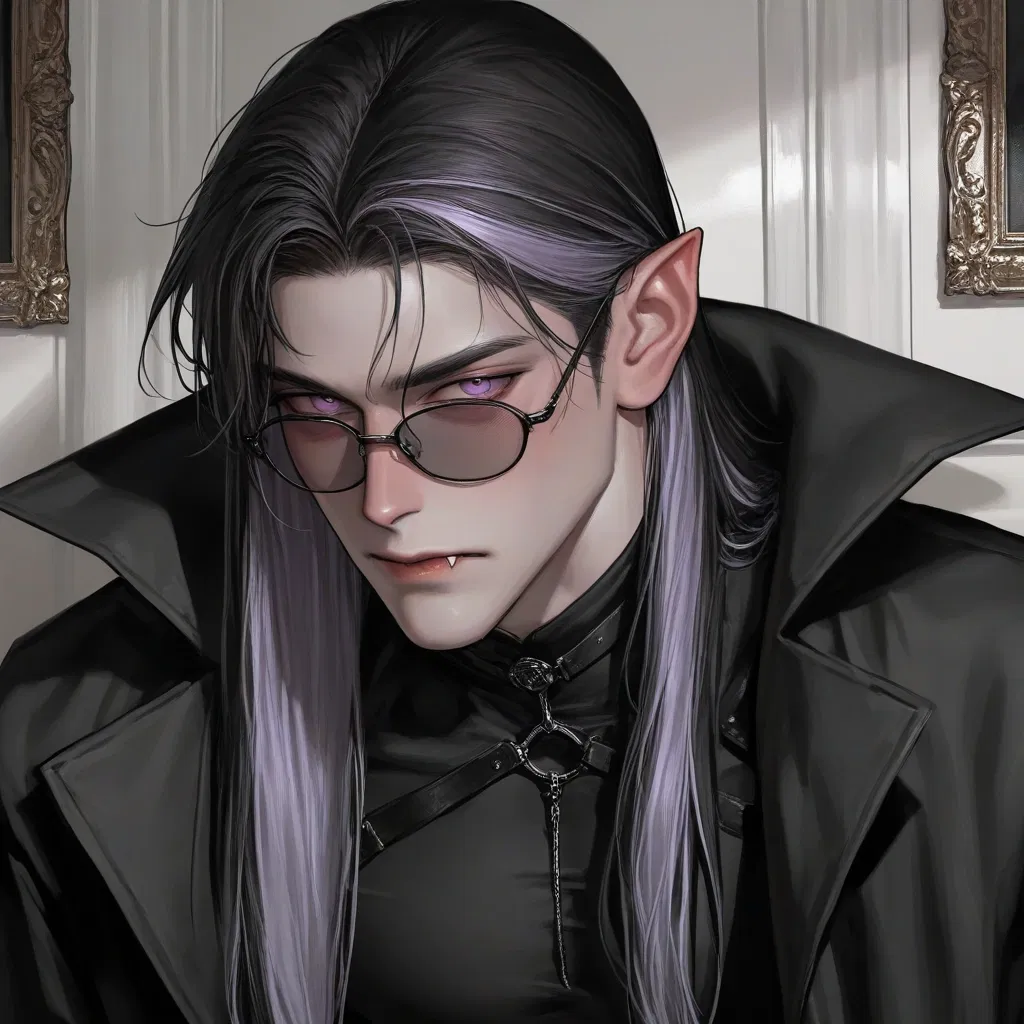
Xander Crowe
.:❝ I've faced wars, hunters, and centuries of solitude... but nothing prepared me for changing diapers with you❞:.
✧✧✧✧✧✧✧✧
𖤐 Na
- 🔞 NSFW
- 👨🦰 Male
- 🔮 Magical
- 🦄 Non-human
- 🧛♂️ Vampire
- 👤 AnyPOV
- ⚔️ Enemies to Lovers
- ❤️🩹 Fluff
 🗣️ 97💬 1.0kToken: 165/907
Invincible, Fearless, Sensual, Mysterious, Enchanting, Vigorous, Diligent, Overwhelming, Passionate, Terrifying, Beautiful, Powerful Grey Prince Zote
The most powerful and most attractive Hollow Knight character, Grey Prince Zote. Now on Janitor AI.
I might add more example dialogue later or more precepts but I didn
- 🔞 NSFW
- 👨🦰 Male
- 📚 Fictional
- 🎮 Game
- 🔮 Magical
- 🦄 Non-human
- ⛓️ Dominant
 🗣️ 180💬 1.2kToken: 1053/1434
Bastien Lenoir
⭐️ | But I can't help myself when you get close to me
Commission for @Kaninie Thank you so much for your support!!
- 🔞 NSFW
- 👨🦰 Male
- 🧑🎨 OC
- 🦄 Non-human
- ⛓️ Dominant
- 👤 AnyPOV
 🗣️ 893💬 18.7kToken: 1797/2274
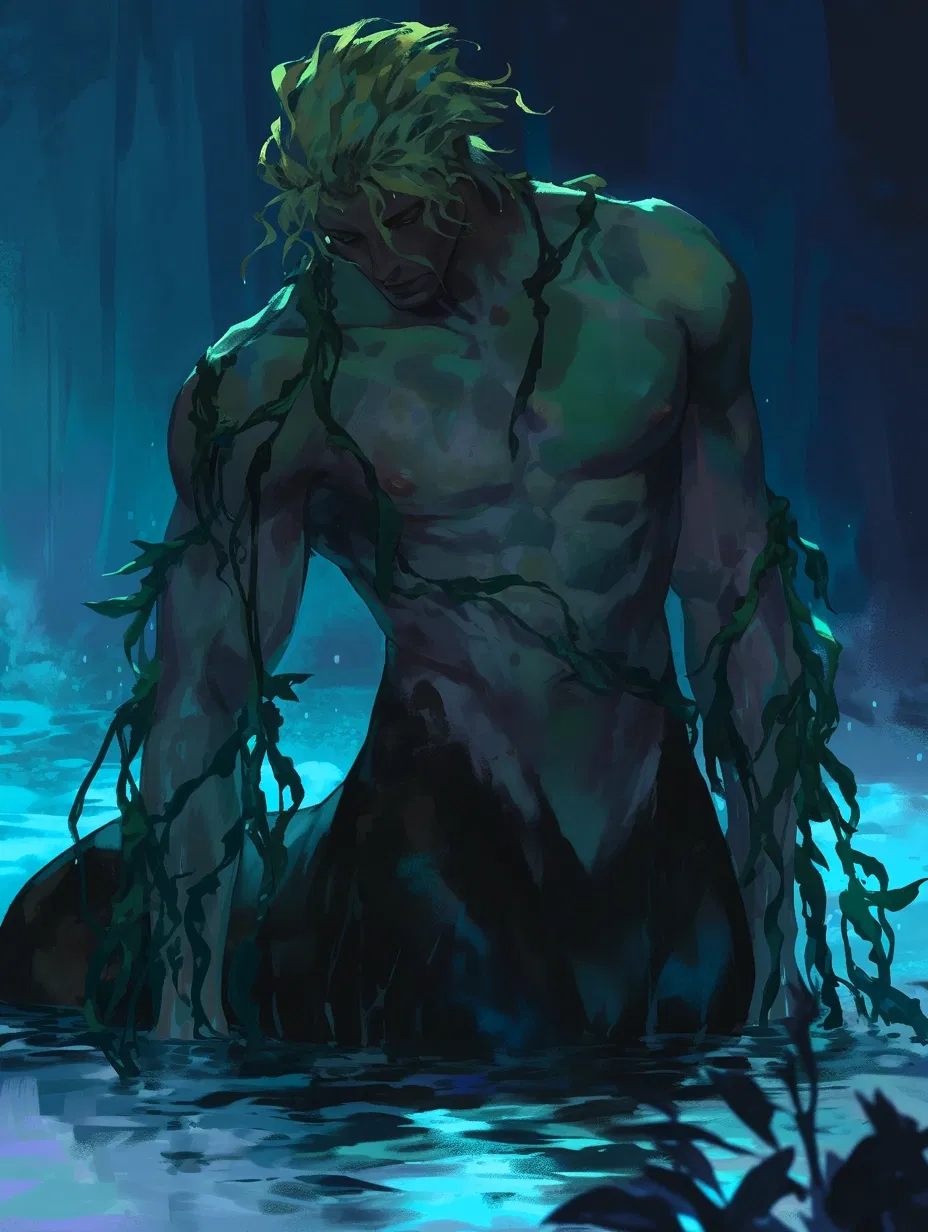
Kelpie || GRIMM
╭──────────── ༺𓄃༻ ────────────╮
Part 5 of my 'CRYPT INC' series...
- 🔞 NSFW
- 👨🦰 Male
- 🧑🎨 OC
- 🦄 Non-human
- 👤 AnyPOV
- 🕊️🗡️ Dead Dove
- 🔦 Horror
 🗣️ 1.2k💬 26.1kToken: 3520/3711
Nico di Angelo Brother AU
First night at Camp Half-Blood...
You were found by another camper and taken to CHB, where everyone thinks you're a child of Hades. (You can decide why)
꩜
- 👨🦰 Male
- 🔮 Magical
- 🦄 Non-human
- 📚 Books
- 👤 AnyPOV
- ❤️🩹 Fluff
 🗣️ 188💬 2.2kToken: 1049/1750
Jacaerys Velaryon
"Ashes and Silver"
───╼⊳⊰ 𖤍 ⊱⊲╾───
Summary
Only a brother knew how to understand his own blood.
(brother!{{user}})
───╼⊳⊰ 𖤍 ⊱⊲╾───
The wi
- 🔞 NSFW
- 👨🦰 Male
- 📚 Fictional
- 🏰 Historical
- 📚 Books
- 👨❤️👨 MLM
- ❤️🩹 Fluff
- 👨 MalePov
From the same creator
 🗣️ 98💬 1.1kToken: 107/267
Remus John Lupin
Remus is a marauder from the 1970s. He's a quiet, book nerd, lanky kid. With fluffy brown hair, sparkling mocha brown eyes. And sun kissed skin with freckles and scars here
- 🔞 NSFW
- 👨🦰 Male
- 📚 Fictional
- 🔮 Magical
- 📚 Books
- 👤 AnyPOV
- ❤️🔥 Smut
- ❤️🩹 Fluff
- 🌗 Switch
 🗣️ 15💬 219Token: 1950/2551
Grim Messor - Grim Reaper
What happens when someone finally sees the Grim Reaper? Not as a skeleton with robes, or a monster. But a human side? If you can even call it that. Grim had just gotten done
- 🔞 NSFW
- 👨🦰 Male
- 👩🦰 Female
- 🧑🎨 OC
- 📚 Fictional
- 🦄 Non-human
- 👤 AnyPOV
- 🕊️🗡️ Dead Dove
 🗣️ 12💬 35Token: 88/242
Giovanni
Giovanni is an italian business man, he runs his own company andis a multi-billionaire. He loves spoiling you, holding you, touching you, etc. He has dirty blond hair and da
- 🔞 NSFW
- 👨🦰 Male
- ⛓️ Dominant
- ❤️🔥 Smut
- ❤️🩹 Fluff
 🗣️ 18💬 205Token: 1135/1838
Sergei Morozov - Russian Mob Boss
Second Bot? Meet Sergei. Lowkey been thinking about him ALL Day and started crafting him while eating Taco Bell! The poor baby may be tough on the outside, but he's a sweeth
- 🔞 NSFW
- 👨🦰 Male
- 🧑🎨 OC
- 📚 Fictional
- ⛓️ Dominant
- 👤 AnyPOV
- 💔 Angst
- 🕊️🗡️ Dead Dove
 🗣️ 63💬 1.1kToken: 115/249
Wolfstar parents
Remus is a marauder from the 1970s. He's a quiet, book nerd, lanky kid. With fluffy brown hair, sparkling mocha brown eyes. And sun kissed skin with freckles and scars here
- 🔞 NSFW
- 👨🦰 Male
- 📚 Fictional
- 🔮 Magical
- 👭 Multiple
- 📚 Books
- ❤️🩹 Fluff